: +86 15874211461

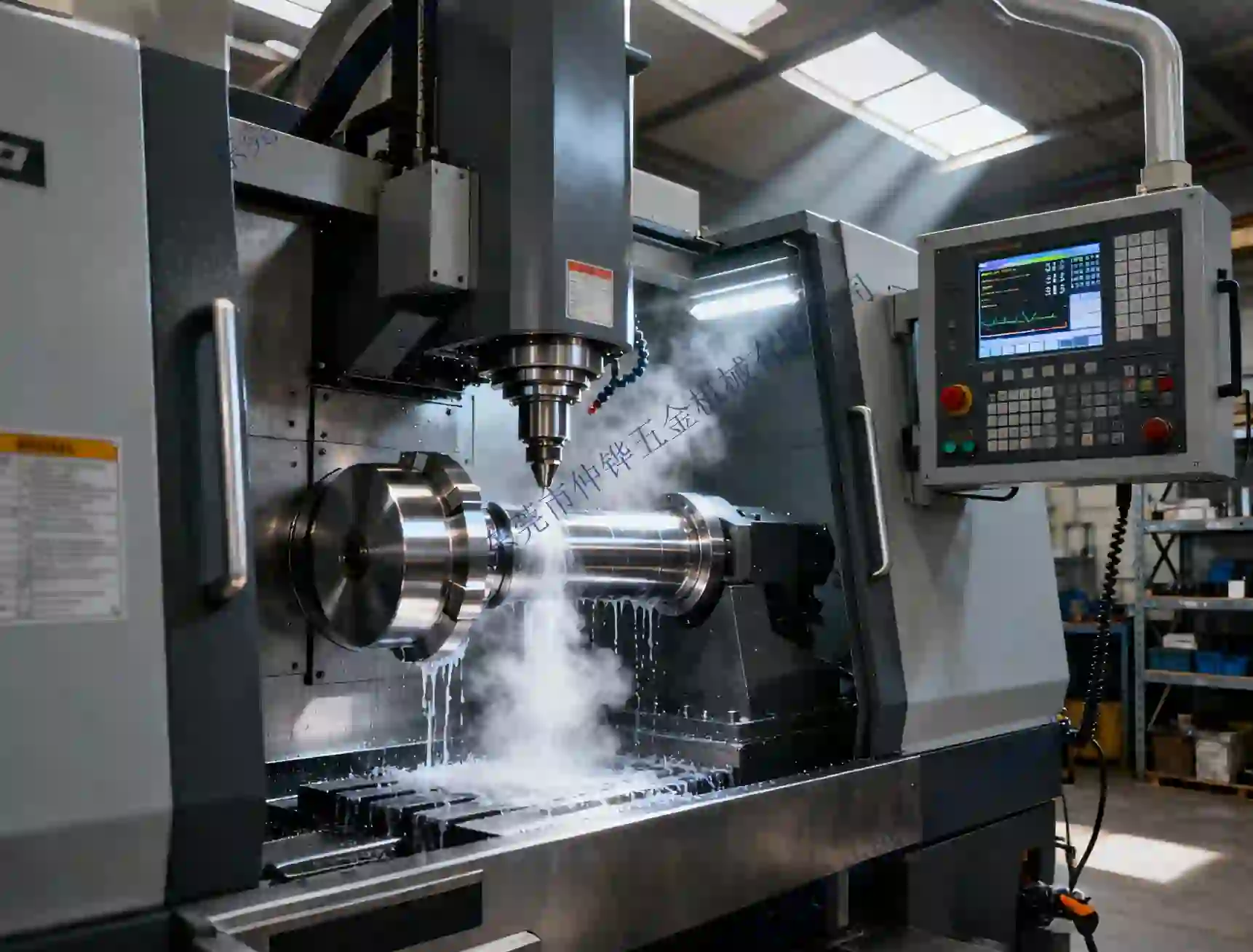
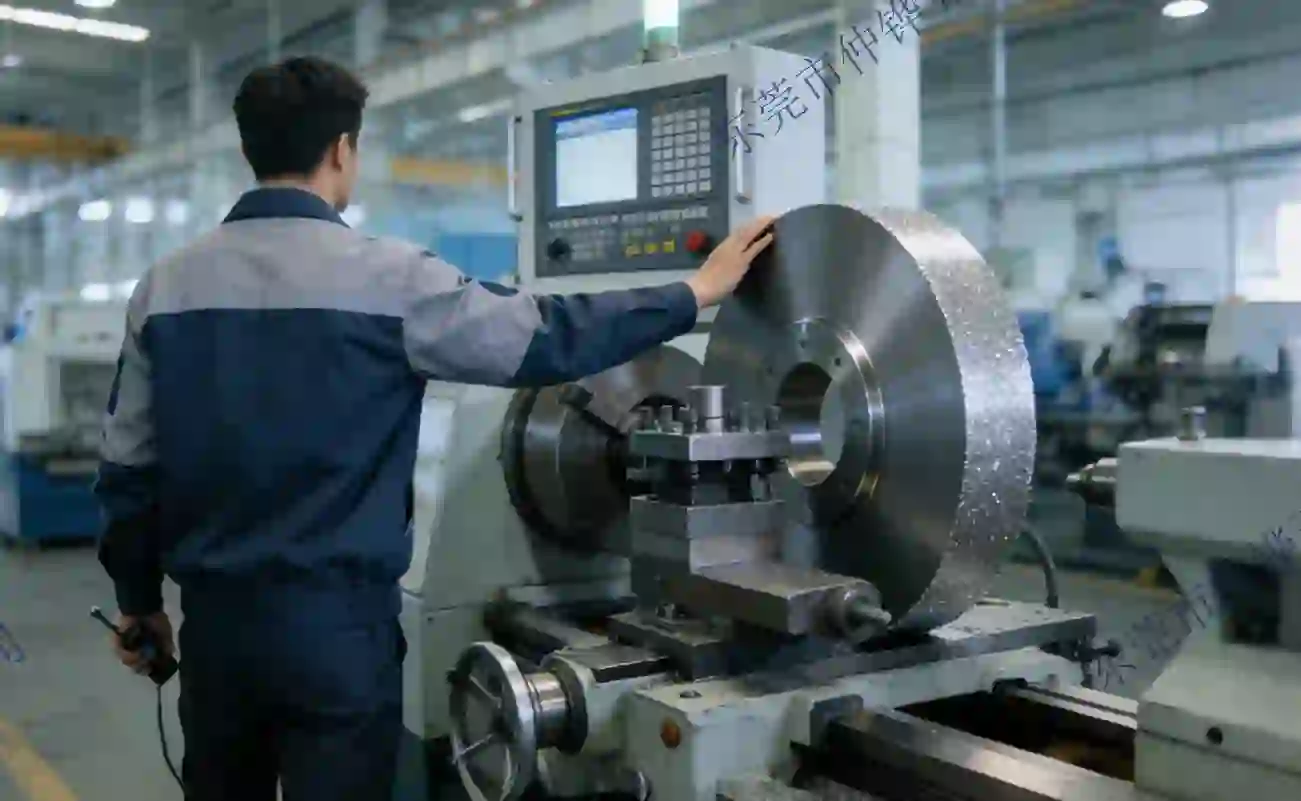
Selecting the optimal grinding wheel is a critical technical decision that directly impacts part quality, productivity, and cost. The wrong choice can lead to poor surface finish, thermal damage, rapid wheel wear, and increased downtime. This guide provides a structured, material-first approach to selecting the right wheel, focusing on the two dominant superabrasives—Diamond and Cubic Boron Nitride (CBN)—and how their properties align with modern machining challenges.
The First Rule: Let the Material Dictate the Abrasive
The workpiece material is the most important factor. The fundamental rule is based on chemical affinity: diamond (C) is carbon-based and reacts with ferrous (iron-based) materials at high grinding temperatures. This reaction causes excessive wear, making diamond unsuitable for most steels.
"A simple but powerful rule: Use Diamond for non-ferrous, hard, and brittle materials. Use CBN for hard and tough ferrous materials."
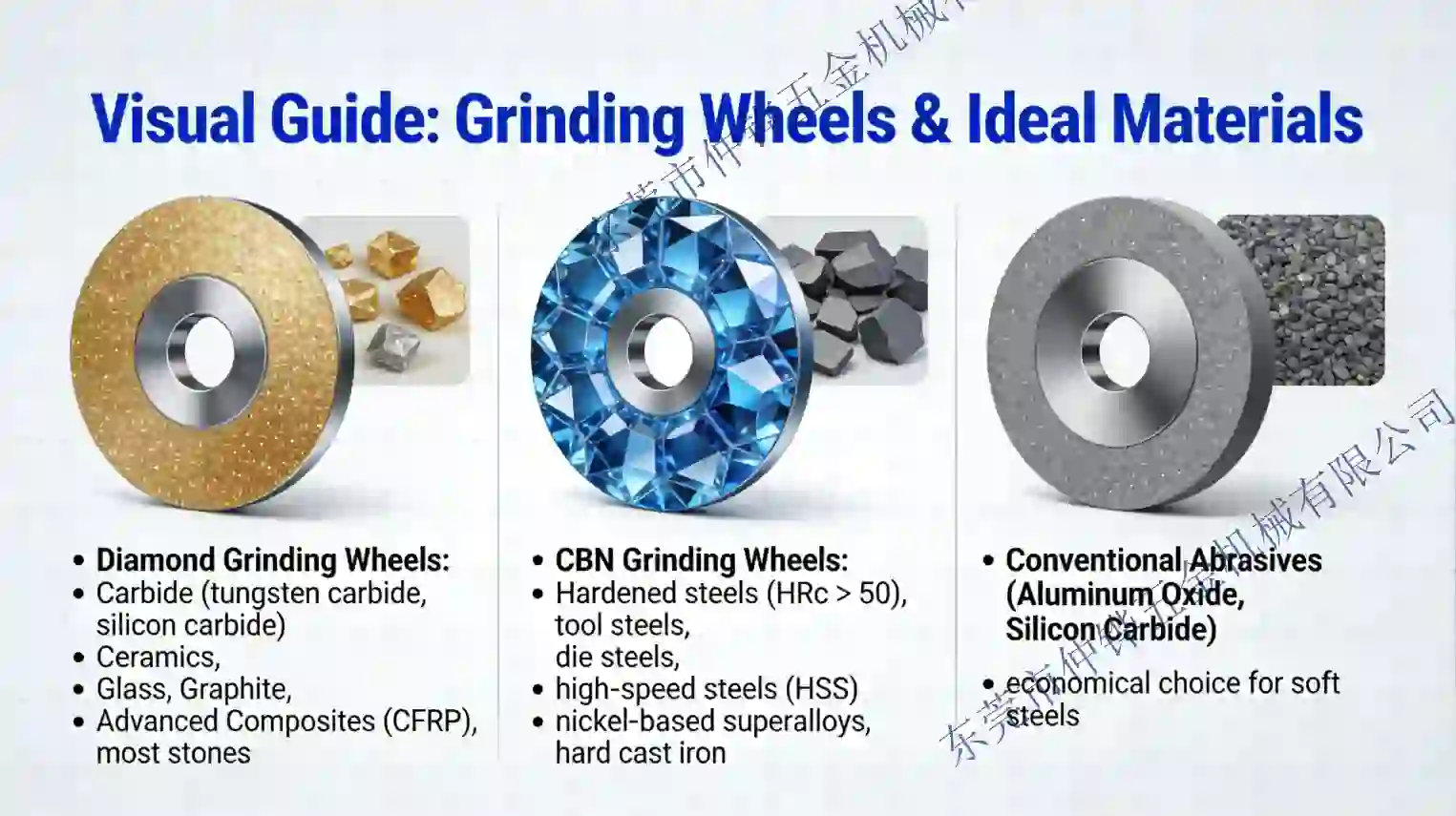
Here’s a breakdown of the primary abrasive selection logic:
- Choose Diamond Grinding Wheels for: Carbide (tungsten carbide, silicon carbide), Ceramics, Glass, Graphite, Advanced Composites (CFRP), and most stones. Diamond's extreme hardness makes it the only effective choice for these notoriously difficult-to-machine materials.
- Choose CBN Grinding Wheels for: Hardened steels (HRc > 50), tool steels, die steels, high-speed steels (HSS), nickel-based superalloys, and hard cast iron. CBN's thermal stability and chemical inertness with iron allow it to grind these tough materials efficiently with minimal thermal damage.
- Conventional Abrasives (Aluminum Oxide, Silicon Carbide): Remain the economical choice for soft steels (HRc < 50), aluminum, brass, and other non-ferrous metals not listed above, where superabrasives offer no significant life or quality advantage for the cost.
Matching the Bond to the Operation and Machine
Once the abrasive is chosen, the bond type determines how the grits are held and released. The bond affects wheel life, cutting aggressiveness, and required dressing.
- Resin Bond: Offers excellent damping and a smooth, free-cutting action. Ideal for fine finishing, sharp edge generation (tool grinding), and applications requiring excellent surface integrity. Commonly used for both Diamond and CBN wheels in tool and cutter grinding.
- Vitrified Bond: A glass-ceramic bond known for its rigidity, porosity (good for coolant access), and ability to hold a precise form. It dresses easily and is excellent for high-precision form grinding, such as on CNC external grinding machines for producing complex profiles on hardened shafts or bearings.
- Metal Bond (Sintered or Electroplated): Provides the highest grit retention, leading to extremely long life for aggressive stock removal and form-holding in ultra-hard materials like ceramics. Often used for Diamond wheels in deep-cut grinding of carbide or for slicing silicon wafers. Requires specialized diamond dressing tools (e.g., brake-controlled or laser dressing).
Fine-Tuning with Grit Size, Concentration, and Machine Dynamics
The final step is to dial in the wheel specification for your specific quality and productivity goals.
- Grit Size: Coarse grits (e.g., 80/100) remove material faster but leave a rougher surface. Fine grits (e.g., 400/600) produce a superior finish but cut slower. A common strategy is to use a coarse wheel for roughing and a fine wheel for finishing.
- Grit Concentration: This refers to the amount of abrasive in the wheel's working layer. Higher concentration (e.g., 100-150) means more cutting points, longer life, and is suited for harder materials or longer runs. Lower concentration (e.g., 50-75) is more friable, freer-cutting, and often used for soft, ductile materials that tend to load the wheel.
- Machine Considerations: The grinding machine itself imposes constraints.
- Internal Grinding Machines: Use small-diameter wheels. High wheel speeds are critical to achieve effective cutting speeds, favoring CBN or diamond wheels which can run safely at very high RPMs. Wheel balance and spindle rigidity are paramount.
- External (Cylindrical) Grinding Machines: Offer versatility. The choice often hinges on precision and surface finish requirements. Vitrified CBN wheels excel here for high-precision, high-volume production of round parts.
- Centerless Grinding Systems: Prioritize process stability. The setup—angles of the grinding wheel, regulating wheel, and work rest blade—must be optimized for the chosen wheel to prevent chatter and ensure consistent size control across long batches.
Putting It All Together: A Decision Framework
Successful wheel selection is a systematic process. Start by analyzing your workpiece material to choose between Diamond and CBN. Then, consider your primary goal: Is it high material removal, fine finish, or long tool life? This points you to a bond type and grit specification. Finally, factor in your machine's capabilities—its rigidity, maximum speed, and coolant system. Always consult with your grinding wheel supplier's application engineers; they can provide tailored recommendations and trial wheels to validate the selection for your specific operation, ensuring you achieve the optimal balance of quality, cost, and throughput.