: +86 15874211461

.webp)
.webp)
.webp)
.webp)
.webp)
.webp)
Advancements in Grinding Wheel Technology
The Engine of Precision: How Superabrasives and Advanced Grinders Are Redefining Manufacturing
Read MoreInternal grinding is used to grind the internal diameter of the workpiece. Tapered holes can be ground with the use of internal grinders that can swivel on the horizontal.
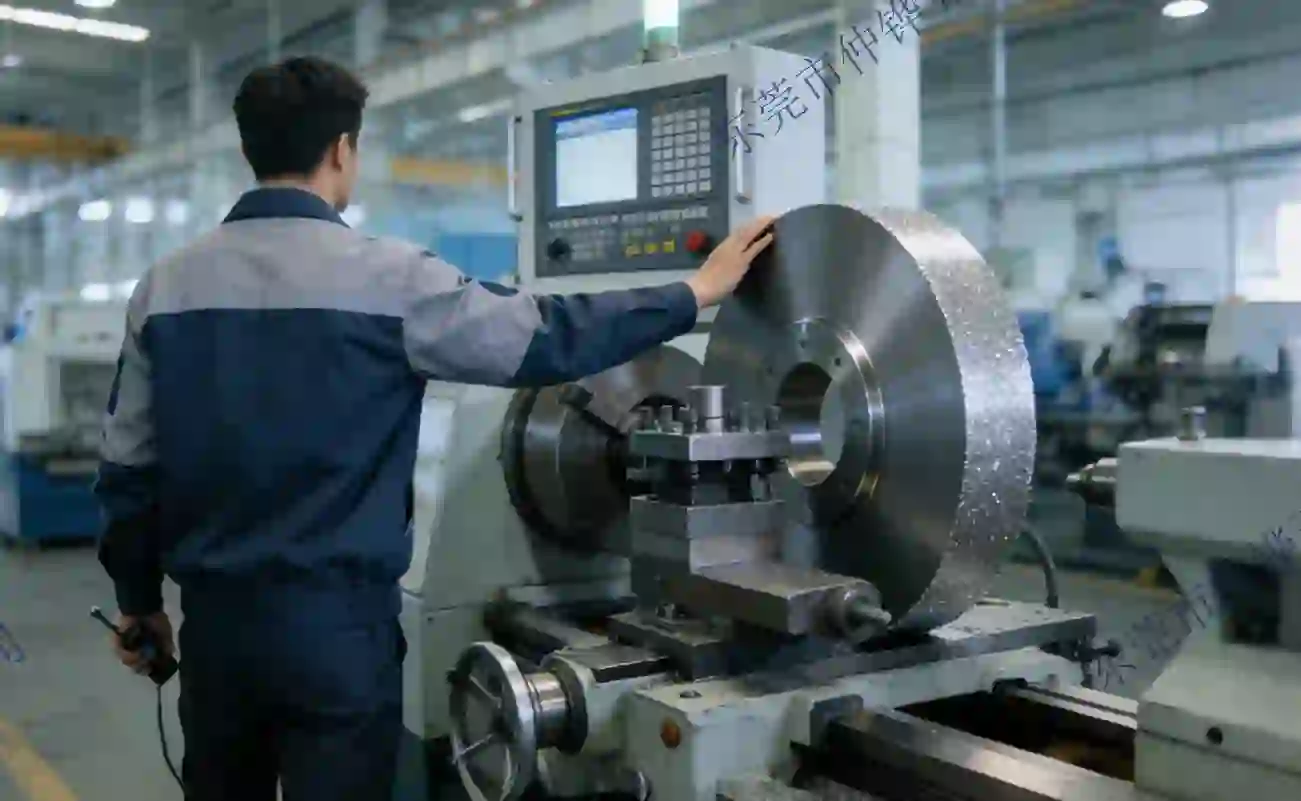
A grinding machine, often shortened to grinder, is a power tool (or machine tool) used for grinding. It is a type of machining using an abrasive wheel as the cutting tool. Each grain of abrasive on the wheel's surface cuts a small chip from the workpiece via shear deformation.
Grinding is used to finish workpieces that must show high surface quality (e.g., low surface roughness) and high accuracy of shape and dimension. As the accuracy in dimensions in grinding is of the order of 0.000025 mm, in most applications, it tends to be a finishing operation and removes comparatively little metal, about 0.25 to 0.50 mm depth. However, there are some roughing applications in which grinding removes high volumes of metal quite rapidly. Thus, grinding is a diverse field.
Contact UsThe grinding machine consists of a bed with a fixture to guide and hold the workpiece and a power-driven grinding wheel spinning at the required speed. The wheel’s diameter and the manufacturer’s rating determine the speed. The grinding head can travel across a fixed workpiece, or the workpiece can be moved while the grinding head stays in a fixed position.
Fine control of the grinding head or table position is possible using a vernier calibrated hand wheel or using the features of numerical controls.
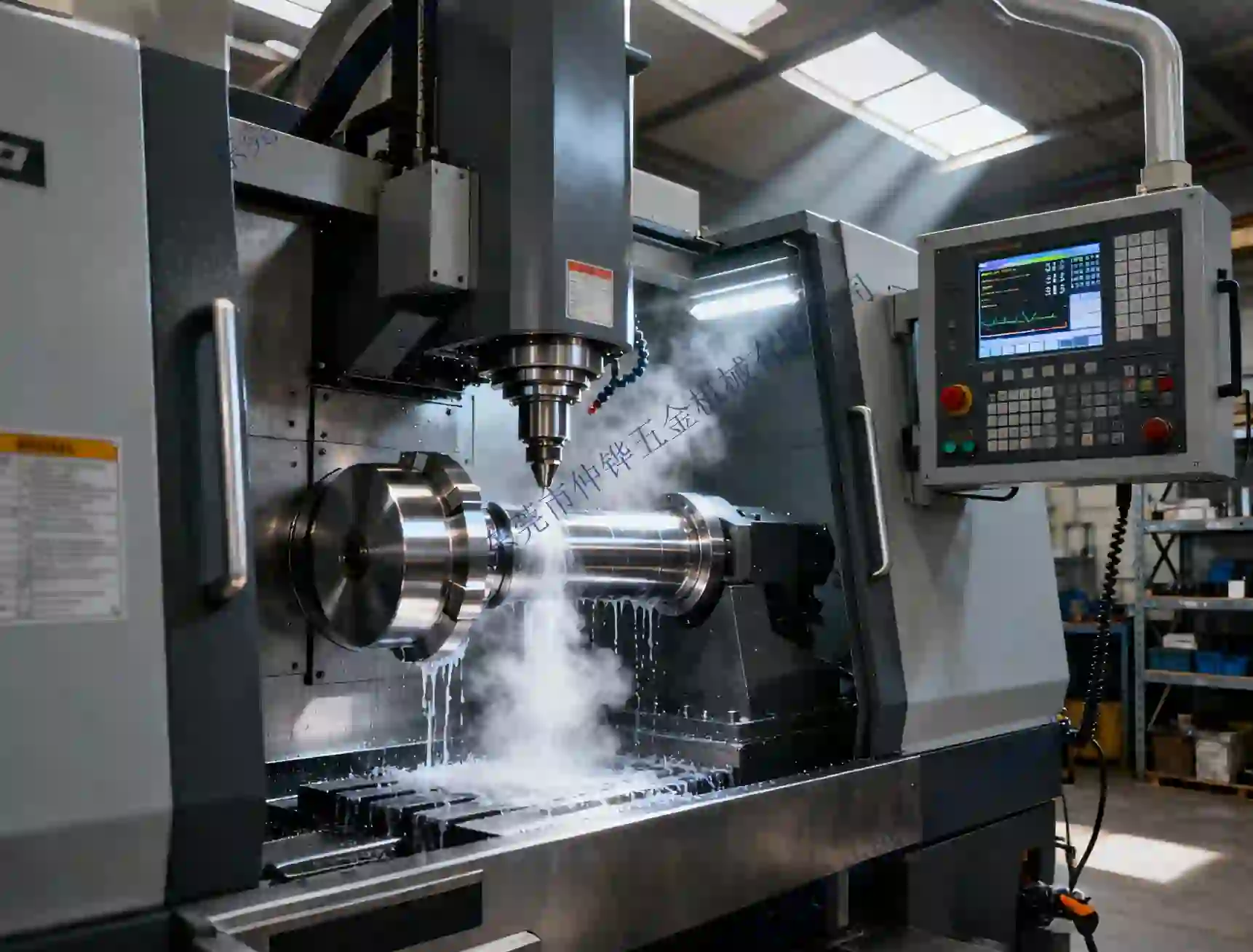
Grinding machines remove material from the workpiece by abrasion, which can generate substantial amounts of heat. To cool the workpiece so that it does not overheat and go outside its tolerance, grinding machines incorporate a coolant. The coolant also benefits the machinist as the heat generated may cause burns. In high-precision grinding machines (most cylindrical and surface grinders), the final grinding stages are usually set up so that they remove about 200 nm (less than 1/10000 in) per pass - this generates so little heat that even with no coolant, the temperature rise is negligible.
Cylindrical grinder, which includes both the types that use centers and the center less types. A cylindrical grinder may have multiple grinding wheels. The work piece is rotated and fed past the wheel(s) to form a cylinder. It is used to make precision rods, tubes, bearing races, bushings, and many other parts.
This machine applicable objects: Guide sleeve,Industrial needle guide,Household needle guide,Spring collet, Ceramic nozzle inner hole,Ceramic guide sleeve,Micro hole grinding related components
| Technical parameters | Unit | ZH-02 | |
| Clamping working diameter | mm | Φ1.5-25 | |
| Max travel | Horizontal | mm | 40 |
| Longitudital | mm | 70 | |
| Work head rotation speed | rpm | 0-380 | |
| Working head rotation angle | ° | ±5° | |
| Spindle speed | rpm | 0-55000 | |
| Spindle motor | HP | 0.75 | |
| Machine dimensions(L*W*H) | mm | 600*500*1500 | |
| Machine weight | kg | 180 | |
| Working range | mm | Φ1-20 | |
Grinding head section
The machine adopts a precision spindle with minimal spindle runout, and comes with a standard white corundum grinding wheel. Customized or optional shaped grinding wheels are available based on specific needs.
Roller section
The roller is clamped to ensure a measurement accuracy of up to 0.002mm, which ensures the precision of workpiece grinding.
Operating handle
The left and right feeds are controlled by a hand bar, while the front and back feeds are controlled by a hand wheel. With the assistance of a positioning device and precision digital display, the grinding wheel feed can be precisely controlled.
Digital display section
The machine is equipped with two-axis digital display with an accuracy of 0.001mm, which assists in daily grinding control and ensures precision workpiece grinding.
Angle plate
The machine is equipped with a large angle plate with a range of positive and negative 45 degrees, which allows for flexible angle adjustments to meet the needs of workpiece grinding at different angles.
Standard configuration
The machine comes with a water tank and cooling device, one high-brightness LED work light, one angle trimming seat, one circular trimming seat, one white corundum grinding wheel, and a set of hex wrenches and tools.
An internal grinding machine (ID grinder) is a precision machine tool designed to grind the inner diameter of hollow cylindrical workpieces such as bearing bores, bushings, gearbox housings, and hydraulic cylinders. It uses a small-diameter grinding wheel mounted on a rotating spindle to achieve tight tolerances (down to ±0.001mm) and superior internal surface finishes (Ra 0.2µm or better).
The main types include: (1) Plain internal grinders for general ID grinding, (2) CNC internal grinders with automated control for high-production environments, (3) Universal internal grinders capable of both internal and external grinding, (4) Centerless internal grinders for high-volume production, and (5) Rotary surface grinders for flat internal surfaces.
Modern CNC internal grinding machines can achieve dimensional tolerances of ±0.001mm to ±0.005mm depending on the machine configuration and grinding parameters. Surface finishes of Ra 0.1-0.4µm are routinely achieved. Multi-pass grinding with roughing, semi-finishing, and finishing stages enables both high material removal rates and precision finishing in a single setup.
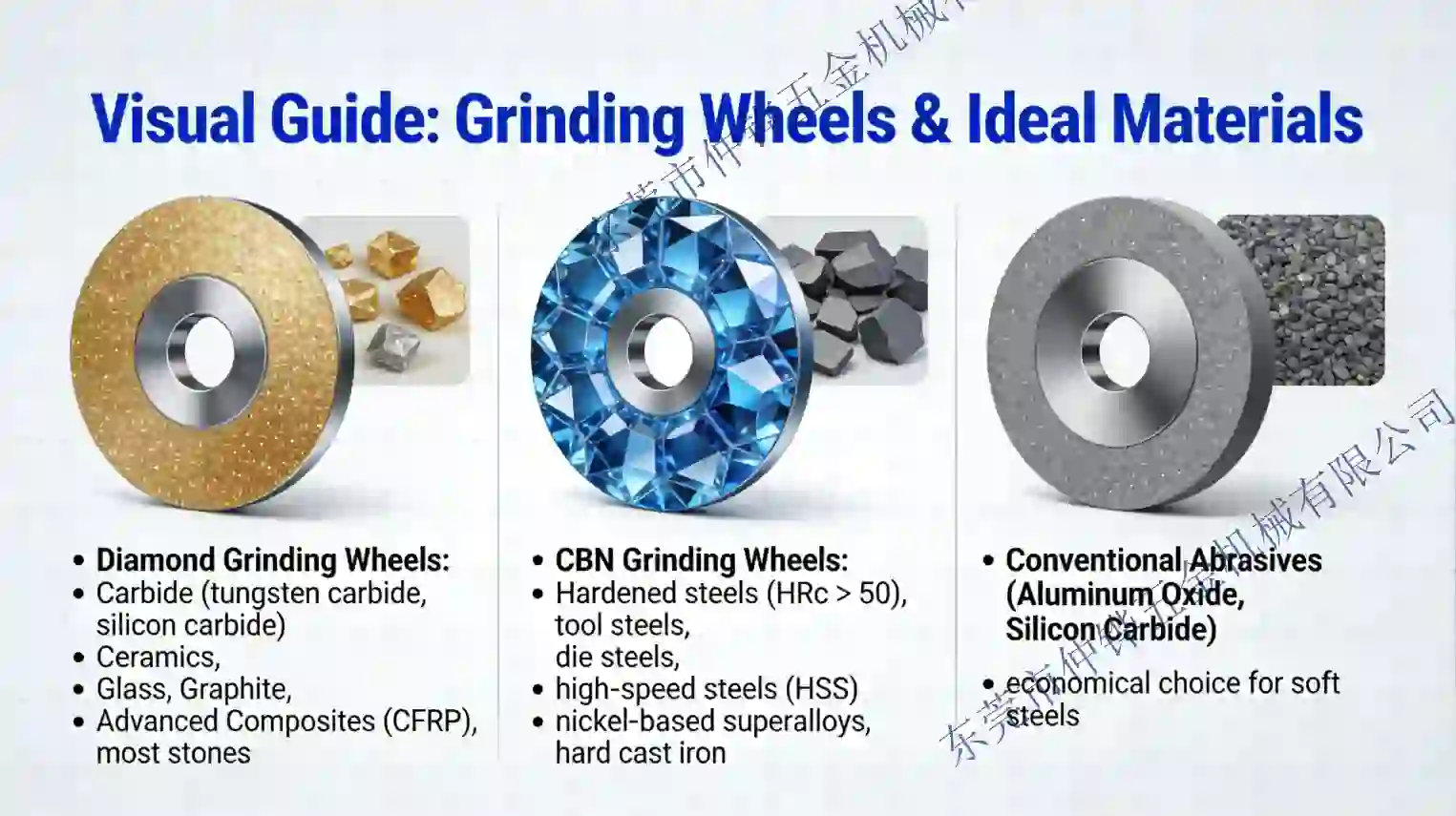
Internal grinding machines can process a wide range of materials including hardened steels, tool steels, stainless steel, cast iron, aluminum alloys, titanium, and superalloys. The choice of grinding wheel (aluminum oxide, CBN, or diamond) depends on the workpiece material. CBN wheels are preferred for hardened ferrous materials, while diamond wheels are used for non-ferrous hard materials.
Key factors to consider include: (1) Maximum bore diameter and depth, (2) Required tolerances and surface finish, (3) Production volume (batch vs. mass production), (4) Material type and hardness, (5) Available floor space and power supply, (6) Automation requirements (manual, CNC, or fully automated with robot loading), and (7) Budget. SinoGrind offers machines from compact manual models to full CNC systems with auto-loading.
Internal grinding machine manufacturer and ID grinder OEM supplier in China.
Internal grinding machine manufacturer OEM for bore finishing and deep-hole ID work.
ID grinder supplier China — provide bore range, material, and output target to get quote.
The Engine of Precision: How Superabrasives and Advanced Grinders Are Redefining Manufacturing
Read MoreLatest industry news and analysis on Diamond Grinding Wheels. Explore market growth driven by EVs and aerospace, key technological innovations in bonds and grains, and future trends shaping precision manufacturing.
Read MoreThe Right Wheel for the Job: A Technical Guide to Selecting Grinding Wheels
Read MoreOver 20 years of grinding expertise. Diamond, CBN, and conventional abrasive solutions for precision manufacturing worldwide.