: +86 15874211461

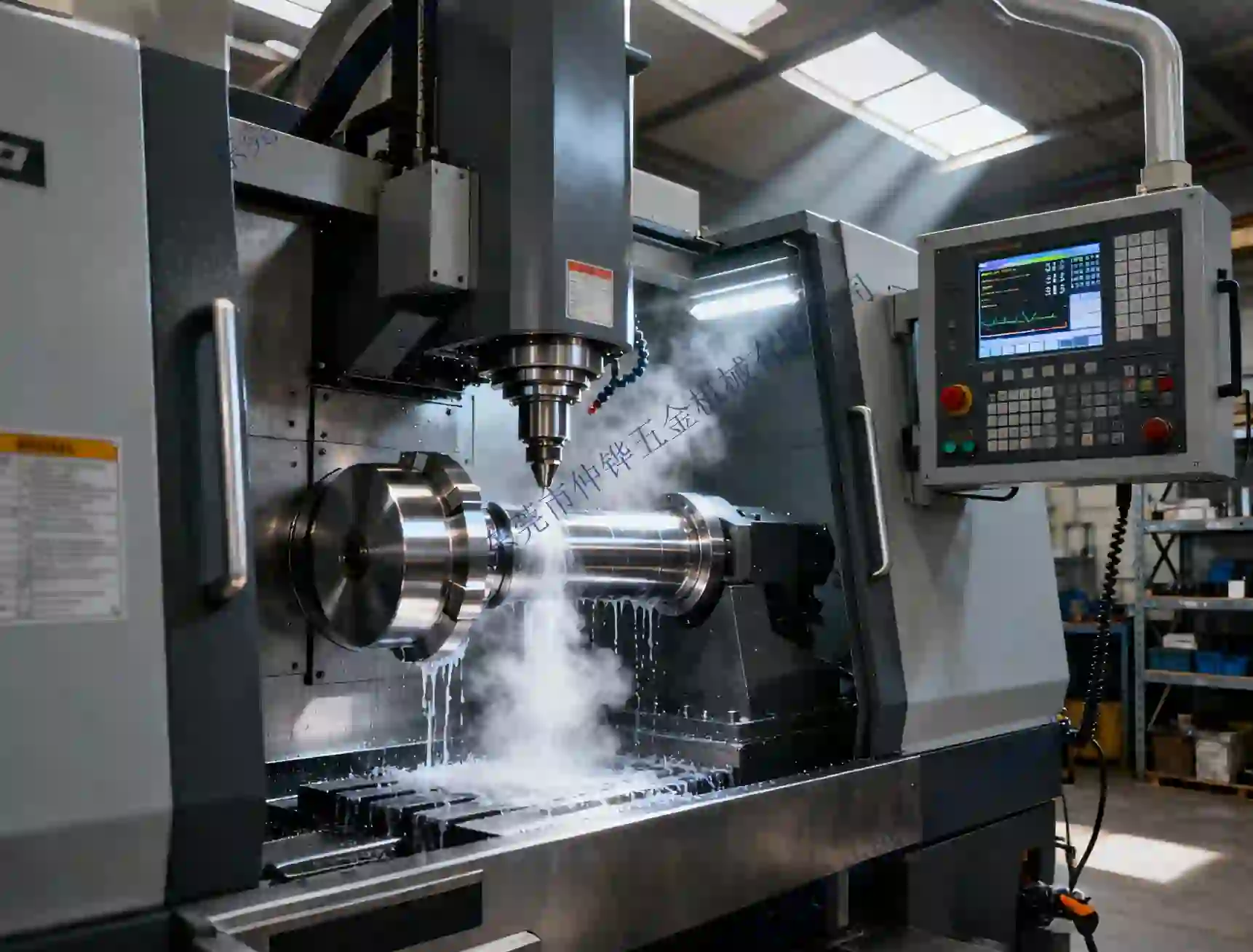
The diamond grinding wheel industry is experiencing a period of dynamic transformation. No longer just a niche tool for hard materials, diamond wheels are becoming a cornerstone of modern precision manufacturing. Driven by surging demand from electric vehicles, aerospace, and advanced optics, the market is innovating at a rapid pace to solve new challenges in productivity, sustainability, and ultra-precision. This article delves into the key news and trends currently defining this vital sector.
Market on the Rise: EVs and Aerospace Fuel Demand
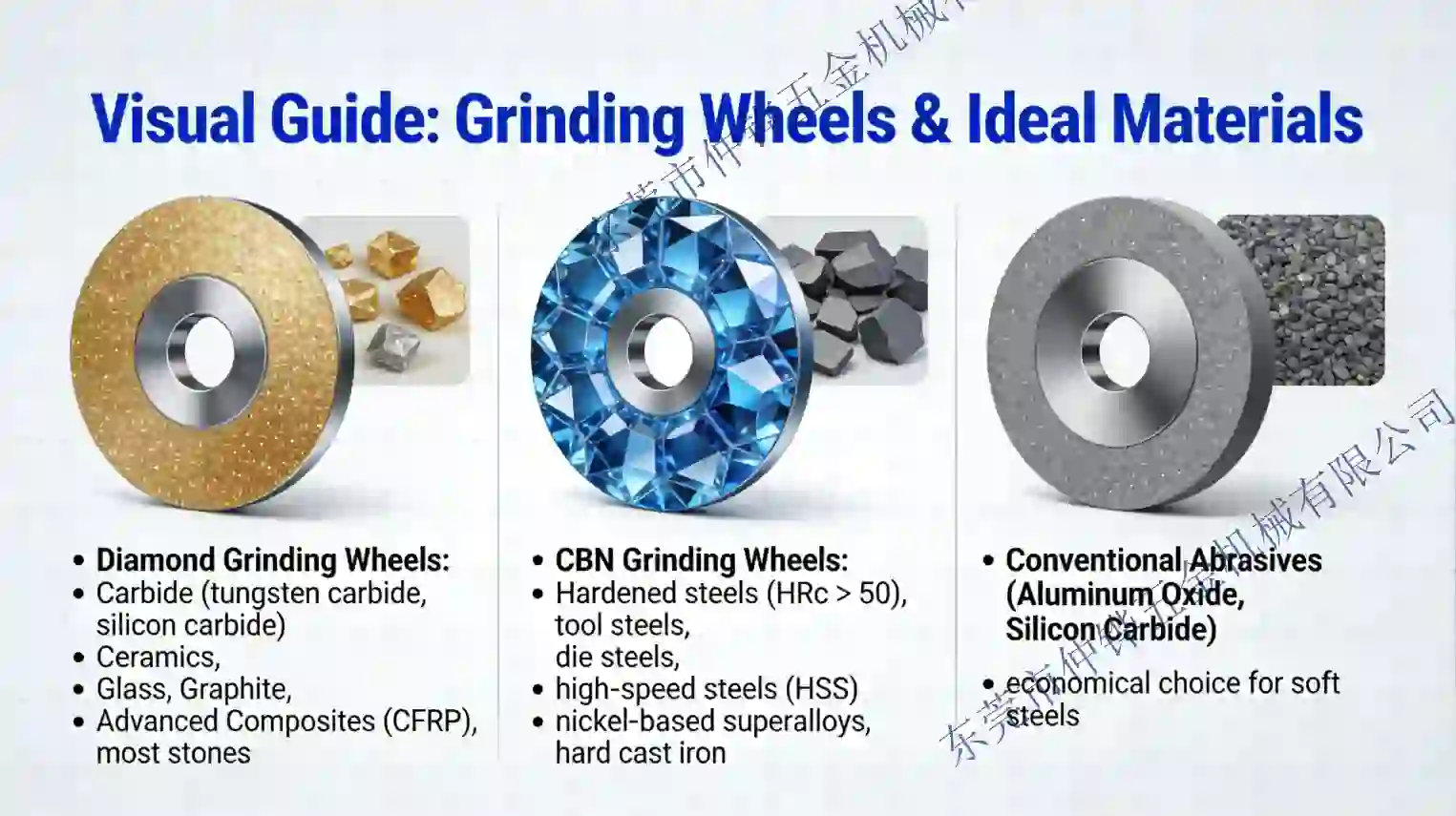
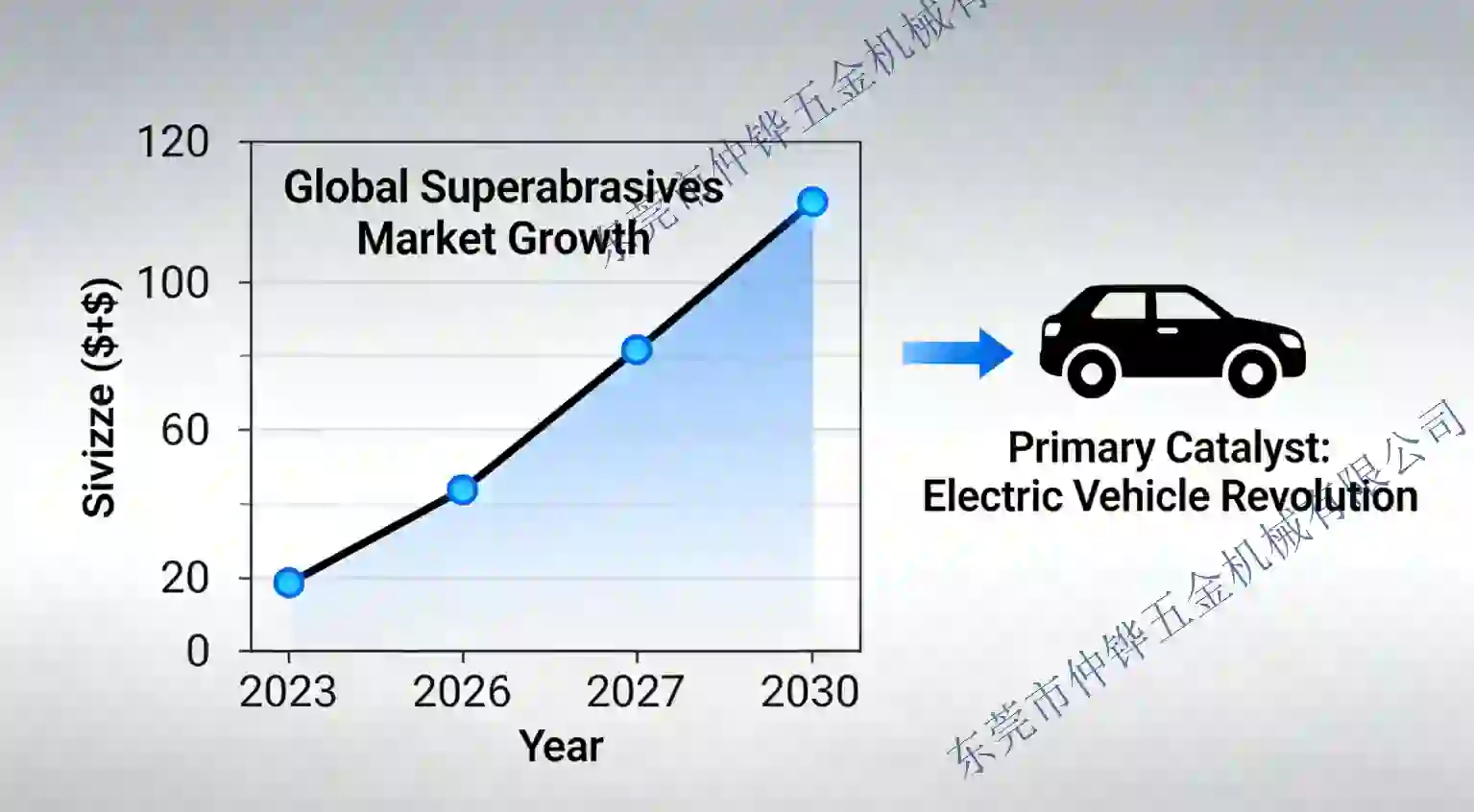
Industry analysts project the global superabrasives market, where diamond wheels play a starring role, to maintain strong growth. A primary catalyst is the electric vehicle revolution. The machining of key EV components—such as silicon carbide power electronics, ceramic battery substrates, and hardened steel drive shafts—heavily relies on the unmatched hardness and wear resistance of diamond grinding wheels. Similarly, the aerospace sector's push toward more efficient engines and airframes demands the machining of advanced composites and nickel-based superalloys, again turning to diamond-based solutions for quality and efficiency.
"The shift to harder, more wear-resistant materials across manufacturing is making diamond abrasives not just an option, but a necessity for competitive production."
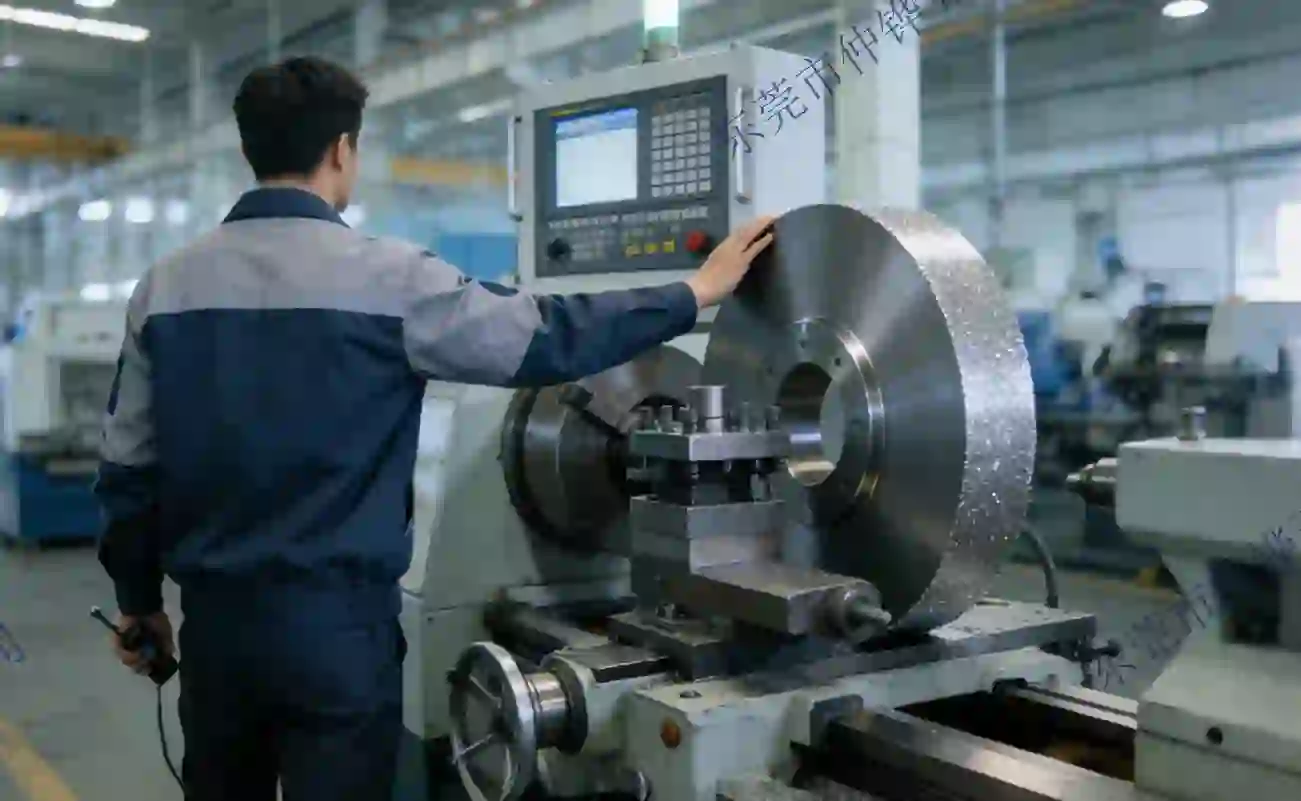
Innovation Focus: Smarter Bonds and Engineered Grains
The core news in technology isn't about diamond itself, but how it's being deployed. The race is on to develop advanced bond systems that maximize diamond utilization and application performance:
- Hybrid and Multi-Bond Systems: Manufacturers are layering or combining different bond materials (e.g., resin and metal) within a single wheel. This allows for a single wheel to perform both roughing and finishing operations, reducing changeover time and inventory.
- Next-Generation Metal Bonds: New sintering techniques and metal matrix composites (e.g., incorporating ceramic phases) are creating bonds that are both stronger and more tunable. This extends wheel life significantly when grinding highly abrasive materials like carbon-fiber reinforced polymers (CFRP).
- Pre-Engineered Grain Placement: Moving beyond random grain distribution, companies are utilizing controlled, patterned placement of diamond grits using laser or electrostatic techniques. This innovation leads to more consistent cutting forces, lower heat generation, and dramatically improved surface finish.
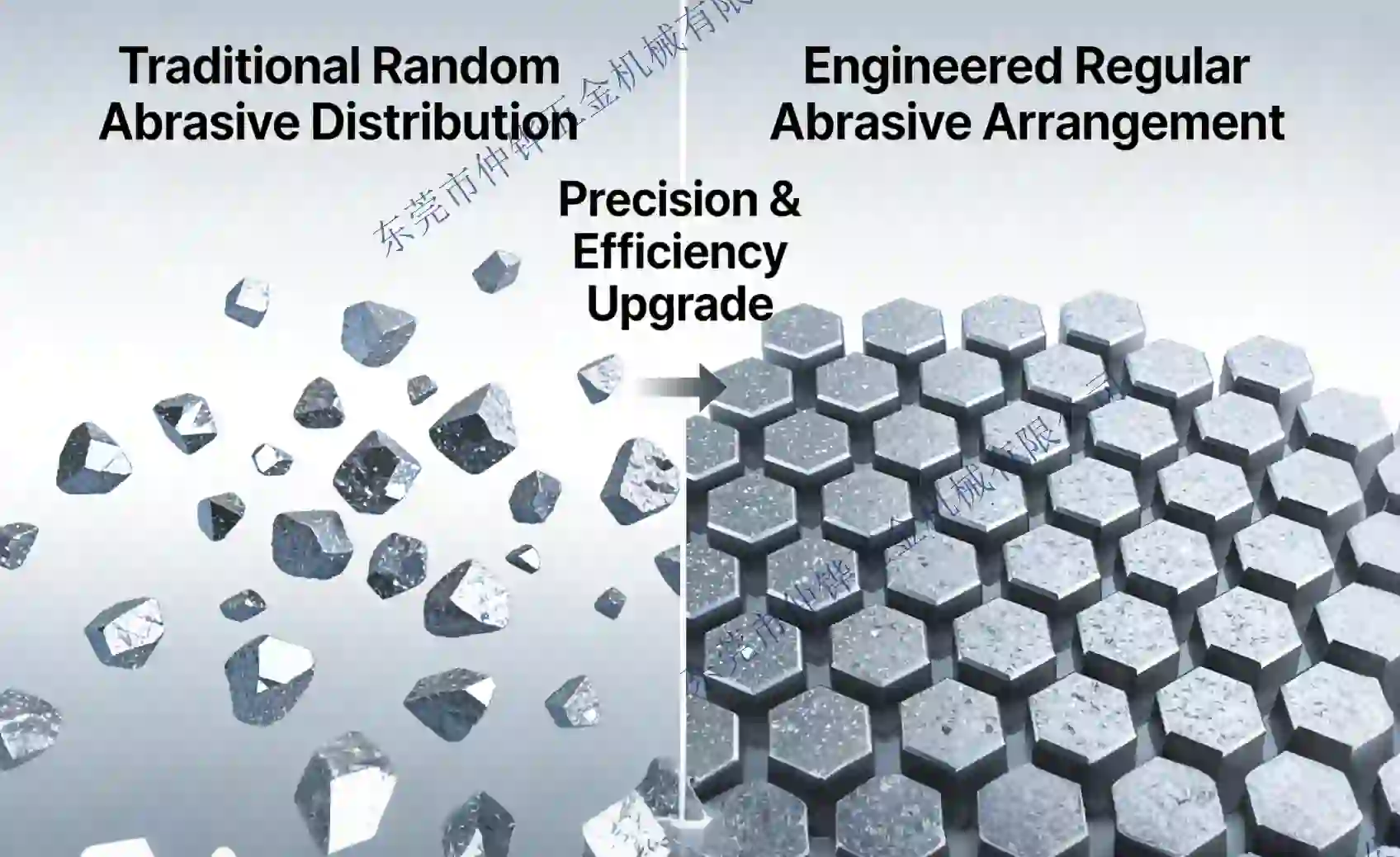
The Sustainability Drive: Coolant Reduction and Longer Life
Environmental and operational cost pressures are pushing "green grinding" to the forefront of industry R&D. The focus is on reducing or eliminating coolant, which is expensive to purchase, filter, and dispose of. Diamond wheels are at the heart of this trend due to their inherent ability to generate less heat via sharper cutting edges. Key developments include:
- Dry and Near-Dry Grinding Solutions: New wheel formulations paired with Minimum Quantity Lubrication (MQL) systems are proving effective for many applications, cutting fluid consumption by over 90%.
- Wheel Life as a Sustainability Metric: A wheel that lasts twice as long halves the associated manufacturing energy and raw material consumption for wheel production. Extending tool life through improved bonds and grains is now a major selling point aligned with corporate sustainability goals.
Looking Ahead: Digitization and Customization
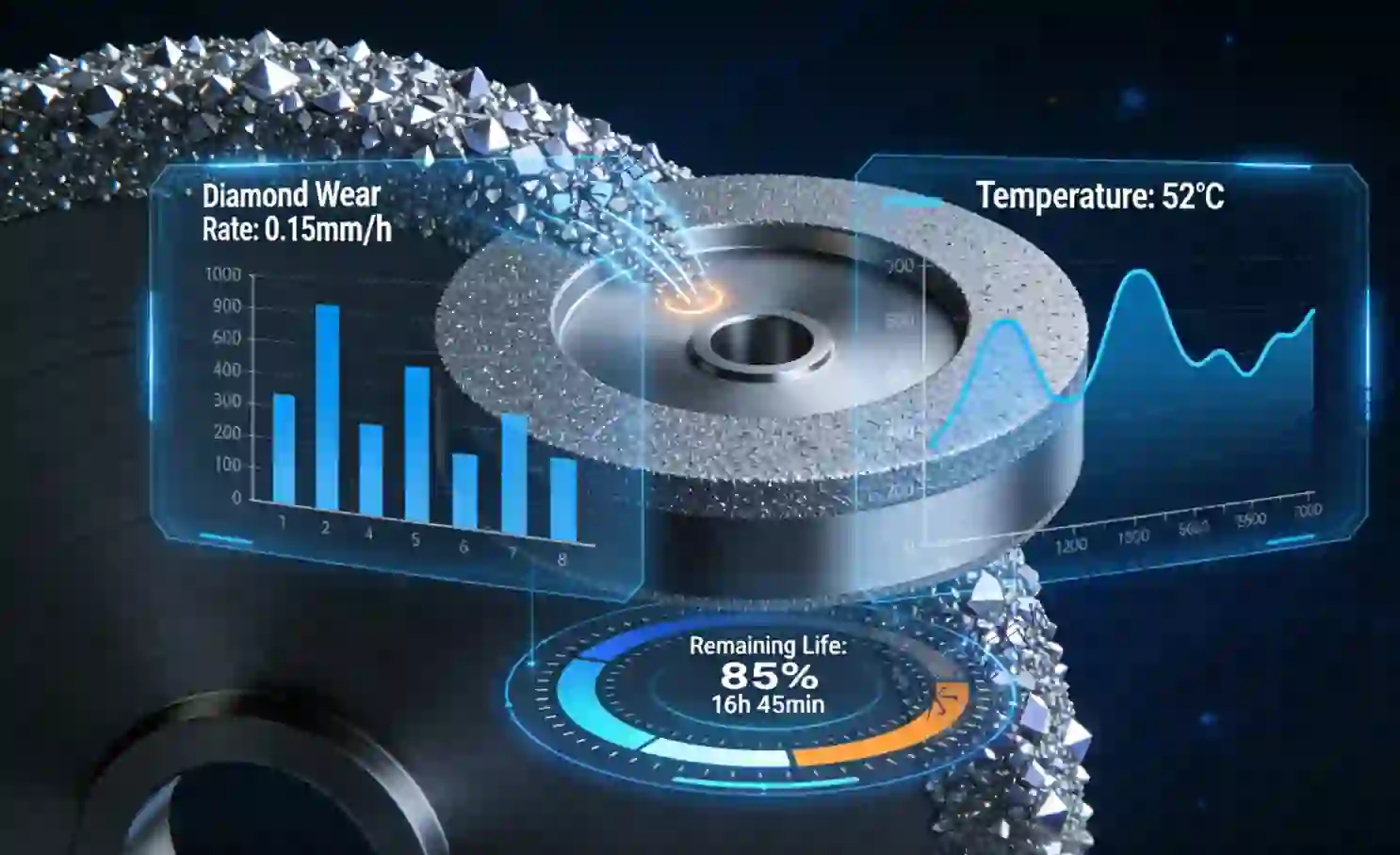
The future of the diamond wheel industry is intelligent and bespoke. The integration of sensors and data analytics is beginning to move from the machine level to the tool level. Embedded micro-sensors in wheel hubs could one day provide real-time data on wear, temperature, and load, enabling predictive maintenance and process optimization. Furthermore, the trend toward application-specific engineering is accelerating. Rather than choosing from a standard catalog, leading manufacturers are increasingly collaborating with wheel producers to co-design tools tailored for a single, critical component—optimizing the diamond, bond, and wheel geometry as a complete system for unparalleled results.
.webp)