: +86 15874211461

.webp)
.webp)
.webp)
.webp)
.webp)
.webp)
.webp)
.webp)
.webp)
.webp)
.webp)
.webp)
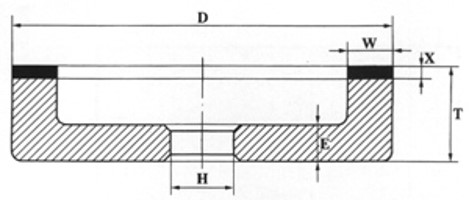
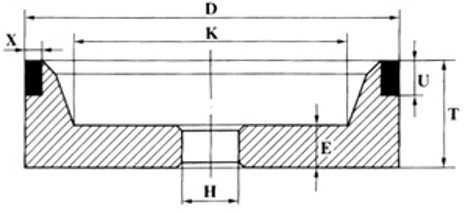
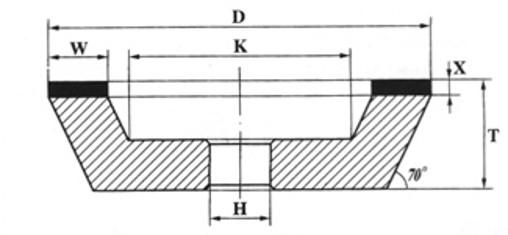
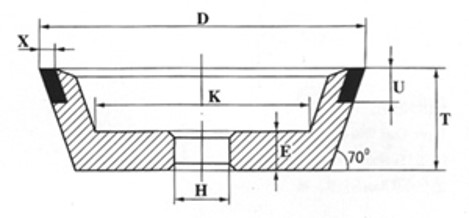
.webp)
.webp)
Advancements in Grinding Wheel Technology
The Engine of Precision: How Superabrasives and Advanced Grinders Are Redefining Manufacturing
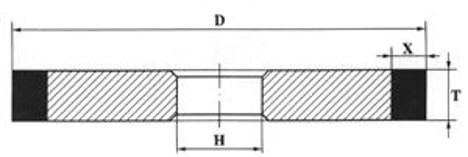
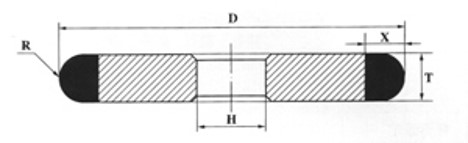
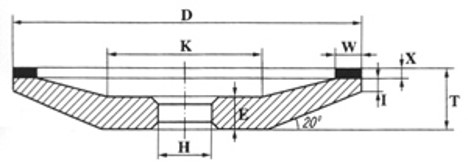
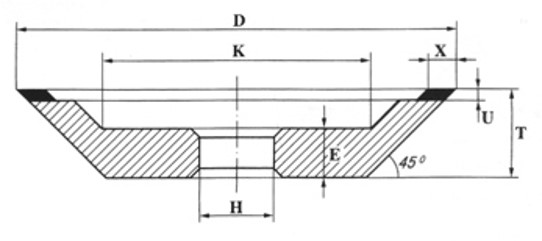
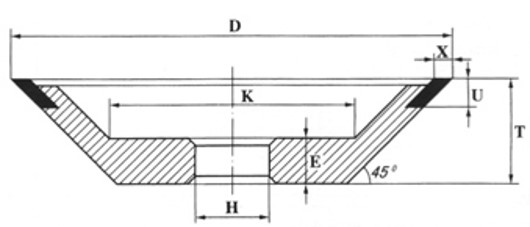
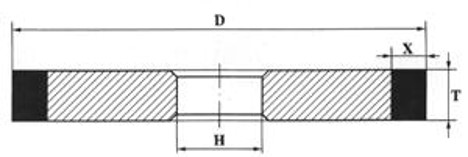
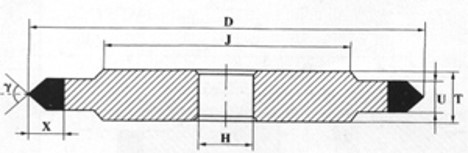
Read MoreSpecial reminder:This product can be customized in different other size and concentration. The unit in the picture is millimeter.
Please contact us to get more details.
Contact UsSelecting the right diamond grinding wheel depends on your workpiece material, required surface finish, and production requirements. Our technical guide helps you choose the optimal bond type and specifications. For conventional steel grinding, see our aluminum oxide grinding wheels.
For grinding tungsten carbide cutting tools, resin bond diamond wheels are the industry standard. The self-sharpening resin matrix provides cooler cutting action that prevents micro-cracking and thermal damage to the carbide.
Ceramic and glass materials require vitrified or resin bond diamond wheels. Vitrified bonds offer higher material removal rates due to their open porous structure, while resin bonds provide superior surface finish.
For silicon wafers, LED substrates, and other semiconductor materials, electroplated diamond wheels provide aggressive material removal in a single pass. Resin bonds are preferred for finer finishing operations.
For precision form grinding applications requiring accurate profile retention, metal bond diamond wheels offer maximum durability and form retention. Metal bonds last 3-5x longer than resin bonds and maintain their profile for high-volume production.
Applications: Injection mold grinding, punch and die grinding, precision component manufacturing
High-production environments benefit from vitrified bond diamond wheels that combine high material removal rates with excellent wheel life. The open pore structure enables superior coolant flow and chip clearance.
Industries: Automotive component manufacturing, aerospace parts production, general precision engineering
| Workpiece Material | Recommended Bond | Grit Size | Concentration | Key Benefits |
|---|---|---|---|---|
| Tungsten Carbide | Resin | 80/100 - 170/200 | 100-150% | Superior surface finish, cooler cutting |
| Ceramic | Vitrified | 100/120 - 230/270 | 75-125% | High material removal, excellent cooling |
| Glass | Resin or Vitrified | 100/120 - 200/230 | 75-125% | Smooth finish, no chipping |
| Semiconductor | Electroplated | 170/200 - 400/500 | 100-200% | Aggressive removal, single pass |
| Precision Forms | Metal | 80/100 - 170/200 | 100-150% | Maximum form retention, long life |
| Production Grinding | Vitrified | 80/100 - 200/230 | 100-150% | High removal rate, excellent cooling |
| D | T | H | ||||||||||||||||||||||||
| 3 | 4 | 5 | 6 | 8 | 10 | 12 | 15 | 16 | 20 | 25 | 32 | 40 | 50 | 60 | 6 | 10 | 12 | 13 | 16 | 20 | 32 | 75 | 127 | 203 | 305 | |
| 25 | X | X | X | X | X | X | X | X | X | |||||||||||||||||
| 30 | X | X | X | X | X | X | ||||||||||||||||||||
| 40 | X | X | X | X | X | X | X | X | ||||||||||||||||||
| 45 | X | X | ||||||||||||||||||||||||
| 50 | X | X | X | X | X | X | X | X | ||||||||||||||||||
| 60 | X | X | X | X | X | X | X | |||||||||||||||||||
| 75 | X | X | X | X | X | X | X | X | X | |||||||||||||||||
| 80 | X | X | X | X | X | X | X | X | ||||||||||||||||||
| 100 | X | X | X | X | X | X | X | X | X | X | ||||||||||||||||
| 115 | X | X | ||||||||||||||||||||||||
| 125 | X | X | X | X | X | X | X | X | X | X | ||||||||||||||||
| 150 | X | X | X | X | X | X | X | X | X | X | ||||||||||||||||
| 175 | X | X | X | X | X | X | ||||||||||||||||||||
| 200 | X | X | X | X | X | X | X | X | X | X | ||||||||||||||||
| 250 | X | X | X | X | X | X | X | X | X | X | X | X | ||||||||||||||
| 300 | X | X | X | X | X | X | X | X | X | X | X | |||||||||||||||
| 350 | X | X | X | X | X | X | X | X | X | X | X | |||||||||||||||
| 400 | X | X | X | X | X | X | X | X | X | X | X | X | ||||||||||||||
| 450 | X | X | X | X | X | X | X | |||||||||||||||||||
| 500 | X | X | X | X | X | X | X | X | ||||||||||||||||||
| 600 | X | X | X | X | X | X | X | |||||||||||||||||||
| 750 | X | X | X | X | X | X | X | |||||||||||||||||||
| X=2,2.5,3,4,5,6,8,10,15 | ||||||||||||||||||||||||||
| D | T/R | H | X |
| 12 | 3.5/2 | 3 | 3 |
| 15 | 4.2/2.1 | 5 | 4 |
| 35 | 3.5/2 | 5 | 4 |
| 50 | 3/1.5,6/3 | 10 | 3,6 |
| 60 | 4/2/23 | 10 | 4 |
| 75 | 4.2/2.1 | 10 | 5 |
| 80 | 6/3/23 | 10,20 | 6 |
| 100 | 3/1,5,6/3,8/4,10/5,12/6 | 20 | 3,5,6,7,8 |
| 125 | 3/1,5,6/3 | 20,32 | 3,6 |
| 150 | 3/1,5,6/3,7/3,5,8/4,10/5,16/8 | 32 | 3,3.5,5,6,8,8.5 |
| D | T | H | W | ||||||||
| 3 | 5 | 6 | 10 | 12 | 15 | 20 | 25 | 30 | |||
| 50 | 10~20 | 10 | X | X | X | ||||||
| 75 | 10~25 | 10,20 | X | X | X | X | |||||
| 100 | 15~30 | 20 | X | X | X | X | X | ||||
| 125 | 15~35 | 32 | X | X | X | X | X | X | X | X | X |
| 150 | 15~35 | X | X | X | X | X | X | X | X | ||
| 175 | 15~40 | X | X | X | X | X | X | ||||
| 200 | 20~50 | X | X | X | X | ||||||
| 250 | 20~55 | X | X | X | X | X | |||||
| 300 | 25~60 | 75,127 | X | X | |||||||
| 350 | 30~60 | X | |||||||||
| X=2,3,4,5,6 | |||||||||||
| E By mutual agreement | |||||||||||
| D | T | H | U | |||||
| 25 | 30 | 35 | 50 | 20 | 32 | 75 | ||
| 75 | X | X | 6 10 | |||||
| 100 | X | X | ||||||
| 125 | X | X | ||||||
| 150 | X | X | ||||||
| 200 | X | X | ||||||
| 250 | X | X | X | |||||
| X=1.5,3 | ||||||||
| E,K By mutual agreement | ||||||||
| D | T | H | E | W | ||
| 3 | 6 | 10 | ||||
| 75 | 25 | 20 | 10 | X | X | X |
| 90 | 35 | 20 | X | X | ||
| 125 | 25 | 32 | X | X | ||
| X=2,3,4 | ||||||
| k By mutual agreement | ||||||
| D | T | H | S | ||||||||||
| 15 | 25 | 30 | 32 | 35 | 40 | 45 | 50 | 8 | 10 | 20 | 32 | ||
| 30 | X | X | 60° 70° | ||||||||||
| 50 | X | X | X | ||||||||||
| 75 | X | X | X | X | |||||||||
| 90 | X | X | |||||||||||
| 100 | X | X | X | X | |||||||||
| 125 | X | X | X | X | |||||||||
| 150 | X | X | X | ||||||||||
| X | 11v9 | 1.5,2,3,4,5,10 | |||||||||||
| 11V2 | 3,4,5,10 | ||||||||||||
| U | 11V9 | 5,6,7,10 | |||||||||||
| 11V2 | 2,3,4 | ||||||||||||
| K、E By mutual agreement | |||||||||||||
| D | T | H | E | W | |||||||
| 10 | 20 | 32 | 3 | 5 | 6 | 10 | 15 | 20 | |||
| 75 | 12 | X | X | 5 | X | X | X | X | |||
| 100 | 14 | X | 6 | X | X | X | X | ||||
| 125 | 18 | X | 8 | X | X | X | |||||
| 150 | 20 | X | 9 | X | X | X | X | ||||
| 175 | 22 | X | 10 | X | X | X | |||||
| 200 | 24 | X | 11 | X | X | X | X | ||||
| 250 | 26 | X | 12 | X | X | X | X | ||||
| X=2,3,4,6 | |||||||||||
| K By mutual agreement | |||||||||||
| D | T | H | U | X | S | |||||||||||||||
| 10 | 12 | 13 | 15 | 16 | 18 | 25 | 10 | 20 | 32 | 127 | 2 | 3 | 8 | 2 | 3 | 3.5 | 5 | 10 | ||
| 50 | X | X | X | X | X | X | X | 40 | ||||||||||||
| 75 | X | X | X | X | X | X | X | X | 30,45 | |||||||||||
| 90 | X | X | X | X | X | X | 45 | |||||||||||||
| 100 | X | X | X | X | X | 45 | ||||||||||||||
| 125 | X | X | X | X | X | X | X | X | 25,45 | |||||||||||
| 150 | X | X | X | X | X | 45 | ||||||||||||||
| 250 | X | X | X | X | 45 | |||||||||||||||
| K,E By mutual agreement | ||||||||||||||||||||
| D | T | H | E | U | ||
| 20 | 25 | 20 | 32 | |||
| 75 | X | X | 10 | 6 | ||
| 100 | X | X | 6,10 | |||
| 125 | X | X | X | |||
| 150 | X | X | X | |||
| X=1,5,3 | ||||||
| K By mutual agreement | ||||||
| D | T | H | J | X | U | |||||||||||||||||
| 6 | 8 | 10 | 12 | 15 | 20 | 20 | 32 | 75 | 127 | 203 | 305 | 3 | 6 | 1 | 2 | 3 | 5 | 6 | 10 | 16 | ||
| 75 | X | X | 50 | X | X | X | ||||||||||||||||
| 100 | X | X | 70 | X | X | X | ||||||||||||||||
| X | X | X | X | |||||||||||||||||||
| 125 | X | X | 100 | X | X | X | ||||||||||||||||
| X | X | X | X | X | ||||||||||||||||||
| 150 | X | X | X | X | 120 | X | X | |||||||||||||||
| 175 | X | X | X | 140 | X | X | X | |||||||||||||||
| 200 | X | X | X | X | X | 160 | X | X | X | X | ||||||||||||
| 250 | X | X | X | X | 200 | X | X | X | ||||||||||||||
| 300 | X | X | X | X | X | 250 | X | X | X | X | ||||||||||||
| X | X | X | X | X | ||||||||||||||||||
| 350 | X | X | 300 | X | X | X | ||||||||||||||||
| X | X | X | X | X | ||||||||||||||||||
| 400 | X | X | X | 350 | X | X | X | X | ||||||||||||||
| 500 | X | X | X | 400 | X | X | X | |||||||||||||||
| 600 | X | X | 500 | X | X | X | ||||||||||||||||
| 700 | X | X | 800 | X | X | X | ||||||||||||||||
| D | J | T | H | U | V | ||||||||||
| 5 | 6 | 8 | 10 | 20 | 10 | 20 | 32 | 127 | 203 | 3 | 5 | 16 | |||
| 50 | 24 | X | X | X | 40° 60° | ||||||||||
| 60 | 28 | X | X | X | |||||||||||
| 70 | 35 | X | X | X | X | ||||||||||
| 100 | 50 | X | X | X | |||||||||||
| 125 | 66 | X | X | X | |||||||||||
| 150 | 85 | X | X | X | |||||||||||
| 200 | 120 | X | X | X | |||||||||||
| 300 | 250 | X | X | X | |||||||||||
| 400 | 350 | X | X | X | |||||||||||
| X=6,8 | |||||||||||||||
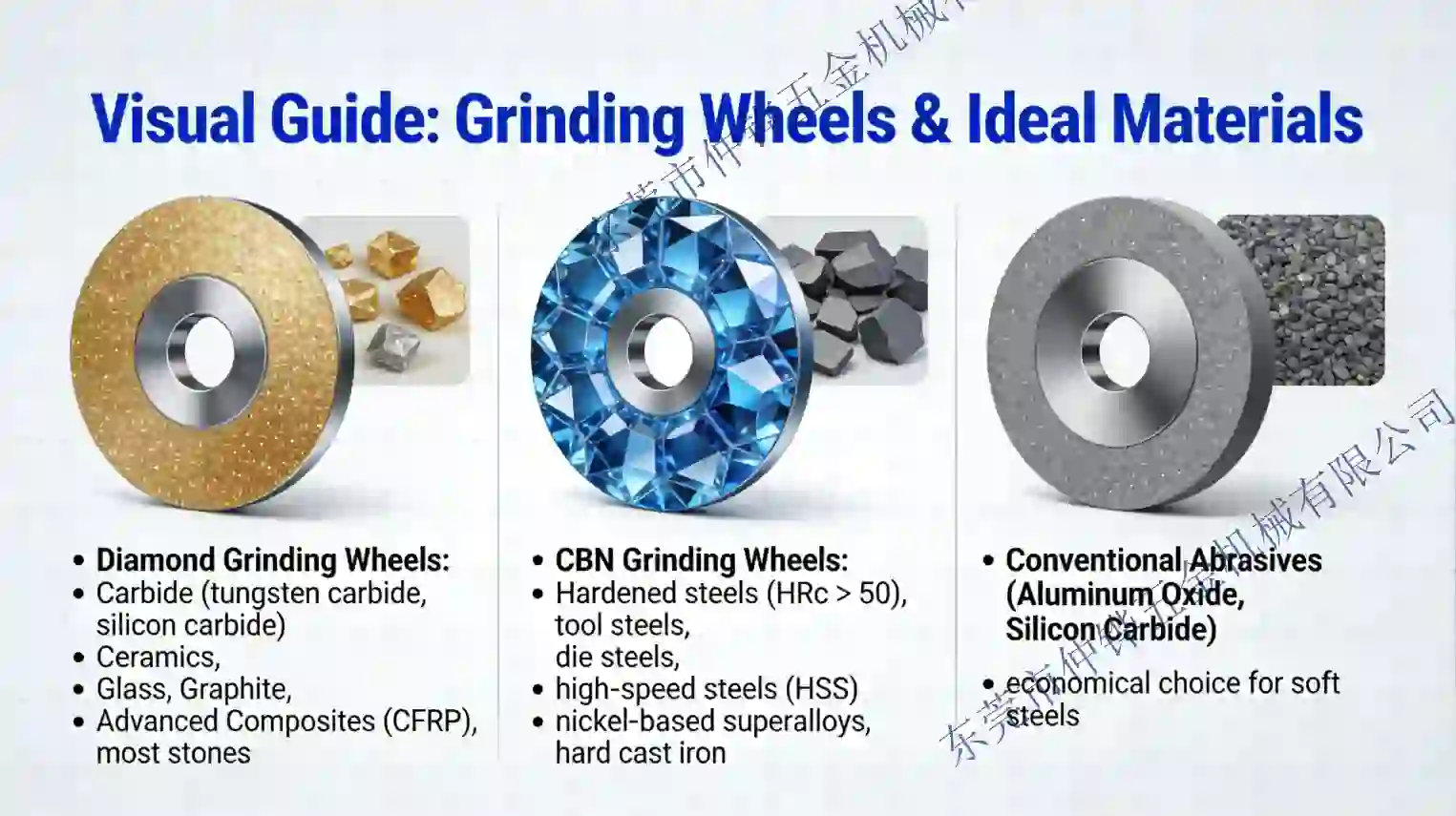
SinoGrind offers both diamond grinding wheels and CBN (Cubic Boron Nitride) grinding wheels in multiple bond types. The right choice depends on your workpiece material, required surface finish, and production volume.
Resin Bond Diamond Wheels: Self-sharpening bond that provides cooler cutting action and superior surface finish (Ra 0.1-0.4 µm). Ideal for precision grinding of tungsten carbide tools, ceramic components, glass, and semiconductor materials. The organic resin matrix gradually wears away, constantly exposing fresh diamond grains.
Metal Bond Diamond Wheels: Bronze, copper, or steel matrices that offer maximum durability and form retention. Metal bond wheels last 3-5x longer than resin bonds and maintain their profile for precision form grinding. Best for heavy-duty applications requiring high material removal rates on hard alloys and abrasive materials.
Vitrified Bond Diamond Wheels: Ceramic glass bond with open porous structure that enables excellent coolant flow and high material removal rates. Self-sharpening through controlled grain pullout. Ideal for general-purpose grinding of carbide, ceramic, and glass in production environments where both efficiency and wheel life matter.
Electroplated Diamond Wheels: Single-layer nickel-plated design that exposes maximum diamond grit for aggressive material removal. Used for profile grinding, slotting, and one-pass operations on hard and brittle materials. Ready to use without conditioning.
Resin Bond CBN Wheels: Deliver excellent surface finish on hardened steels (HRC 45+), tool steels, and aerospace superalloys. Cooler cutting action minimizes thermal damage and metallurgical changes. Preferred for finishing operations on precision components like bearing races, turbine blades, and injection molds.
Metal Bond CBN Wheels: Offer maximum form retention and thermal conductivity for heavy-duty ferrous material grinding. Ideal for thread grinding, gear grinding, and deep creep-feed grinding where wheel shape accuracy is critical. Metal bonds provide superior rigidity and can withstand high grinding forces.
Vitrified Bond CBN Wheels: The best choice for high-production grinding of hardened steel components. Open pore structure provides excellent coolant access and chip clearance, enabling high material removal rates without thermal damage. Widely used for crankshaft, camshaft, and transmission component grinding in automotive manufacturing.
| Workpiece Material | Recommended Wheel | Best Bond Type |
|---|---|---|
| Tungsten Carbide | Diamond Grinding Wheel | Resin or Vitrified |
| Ceramic / Glass | Diamond Grinding Wheel | Resin or Vitrified |
| Semiconductor Materials | Diamond Grinding Wheel | Resin or Electroplated |
| Hardened Steel (HRC 45+) | CBN Grinding Wheel | Resin or Vitrified |
| Tool Steel / HSS | CBN Grinding Wheel | Resin |
| Cast Iron | CBN Grinding Wheel | Metal or Vitrified |
| Aerospace Superalloys | CBN Grinding Wheel | Resin |
| Automotive Crankshafts | CBN Grinding Wheel | Vitrified |
Resin bond diamond grinding wheels offer superior surface finish and are ideal for precision grinding of hard materials like carbide, ceramic, and glass. They provide cooler cutting action and are self-sharpening. Metal bond wheels are more durable and hold their shape longer, making them suitable for heavy-duty grinding applications and high material removal rates. Metal bonds also offer better thermal conductivity.
Diamond grit size depends on your required surface finish and material removal rate. Coarse grit (30/40-60/80) is used for rough grinding and high material removal. Medium grit (80/100-170/200) provides a balance between removal rate and surface finish. Fine grit (200/230-500/600) delivers superior surface finish for precision applications. Ultra-fine grit (800+) is used for mirror finishing and lapping.
Diamond concentration refers to the volume of diamond in the bond matrix. Standard concentration (100) contains 4.4 carats per cubic centimeter. Higher concentrations (150-200) provide faster material removal and longer wheel life for production grinding. Lower concentrations (50-75) are cost-effective for lighter grinding tasks and offer cooler cutting action. The optimal concentration depends on your material, application, and machine capability.
Standard diamond grinding wheels are not recommended for ferrous metals (steel, cast iron) because carbon in diamond reacts with iron at high temperatures, causing rapid wheel wear. For steel grinding, use CBN (Cubic Boron Nitride) grinding wheels instead. However, diamond wheels can be used on non-ferrous metals like aluminum, copper, and brass with proper cooling.
Diamond grinding wheel life varies significantly based on application, material, and operating conditions. Under optimal conditions, a high-quality diamond wheel can last 200-500 hours of grinding time. Factors affecting wheel life include workpiece material hardness, grinding parameters (speed, feed, depth of cut), coolant quality, and machine condition. Regular dressing and proper maintenance can extend wheel life by 30-50%.
Water-soluble coolants or synthetic coolants are recommended for diamond grinding wheels. These coolants provide excellent heat dissipation and chip flushing. Avoid oil-based coolants as they can cause thermal damage to the bond matrix. The coolant flow rate should be sufficient to flood the grinding zone, typically 15-25 liters per minute per inch of wheel width. Maintain coolant concentration at 5-8% for optimal performance.
Diamond grinding wheels are used for non-ferrous hard materials such as carbide, ceramic, glass, quartz, and semiconductor materials. CBN (Cubic Boron Nitride) grinding wheels are designed for ferrous materials including hardened steels, tool steels, high-speed steels, and cast iron. Diamond offers higher hardness but reacts chemically with iron at grinding temperatures. CBN offers excellent thermal stability up to 1200°C and chemical inertness to iron.
Resin bond CBN wheels provide excellent surface finish and are ideal for precision finishing of hardened steels and aerospace alloys. Vitrified bond CBN wheels offer higher material removal rates due to their open porous structure, which allows better coolant flow and chip clearance. Vitrified wheels also maintain their shape longer and are preferred for high-production grinding of crankshafts, camshafts, and bearing races.
Choose metal bond CBN wheels when you need maximum wheel life and form retention for heavy-duty applications like thread grinding, gear grinding, and deep creep-feed grinding. Metal bonds offer superior thermal conductivity and rigidity. Resin bond CBN wheels are better for finishing operations requiring superior surface finish (Ra 0.2 µm or better) and cooler cutting action on hardened tool steels.
Vitrified bond diamond wheels offer three key advantages: (1) High material removal rates due to open porous structure that allows aggressive cutting. (2) Excellent coolant flow through the porous bond, preventing thermal damage to the workpiece. (3) Self-sharpening through controlled bond breakdown, maintaining consistent cutting performance. They are ideal for general-purpose grinding of carbide and ceramic materials.
For tungsten carbide tool grinding, resin bond diamond wheels are most commonly used because they provide excellent surface finish and cooler cutting action that prevents micro-cracking. Metal bond diamond wheels offer longer wheel life for rough grinding stages. Vitrified bond diamond wheels provide the best combination of material removal rate and wheel life for production grinding of carbide tools.
SinoGrind is a diamond and CBN grinding wheel manufacturer in China. Send your drawing or current wheel code for an OEM quote with clear MOQ and lead time.
Resin, metal, vitrified, and electroplated diamond wheels to your drawing — custom grit, concentration, hardness, diameter, thickness, and bore.
CBN grinding wheel OEM for hardened steel, tool steel, and HSS production grinding. Matched grinding and regulating wheel sets available.
Send a specification or drawing for a custom grinding wheel quote. Typical RFQ: bond, grit, concentration, dimensions, workpiece material, machine model.
The Engine of Precision: How Superabrasives and Advanced Grinders Are Redefining Manufacturing
Read MoreLatest industry news and analysis on Diamond Grinding Wheels. Explore market growth driven by EVs and aerospace, key technological innovations in bonds and grains, and future trends shaping precision manufacturing.
Read MoreThe Right Wheel for the Job: A Technical Guide to Selecting Grinding Wheels
Read MoreOver 20 years of grinding expertise. Diamond, CBN, and conventional abrasive solutions for precision manufacturing worldwide.