: +86 15874211461

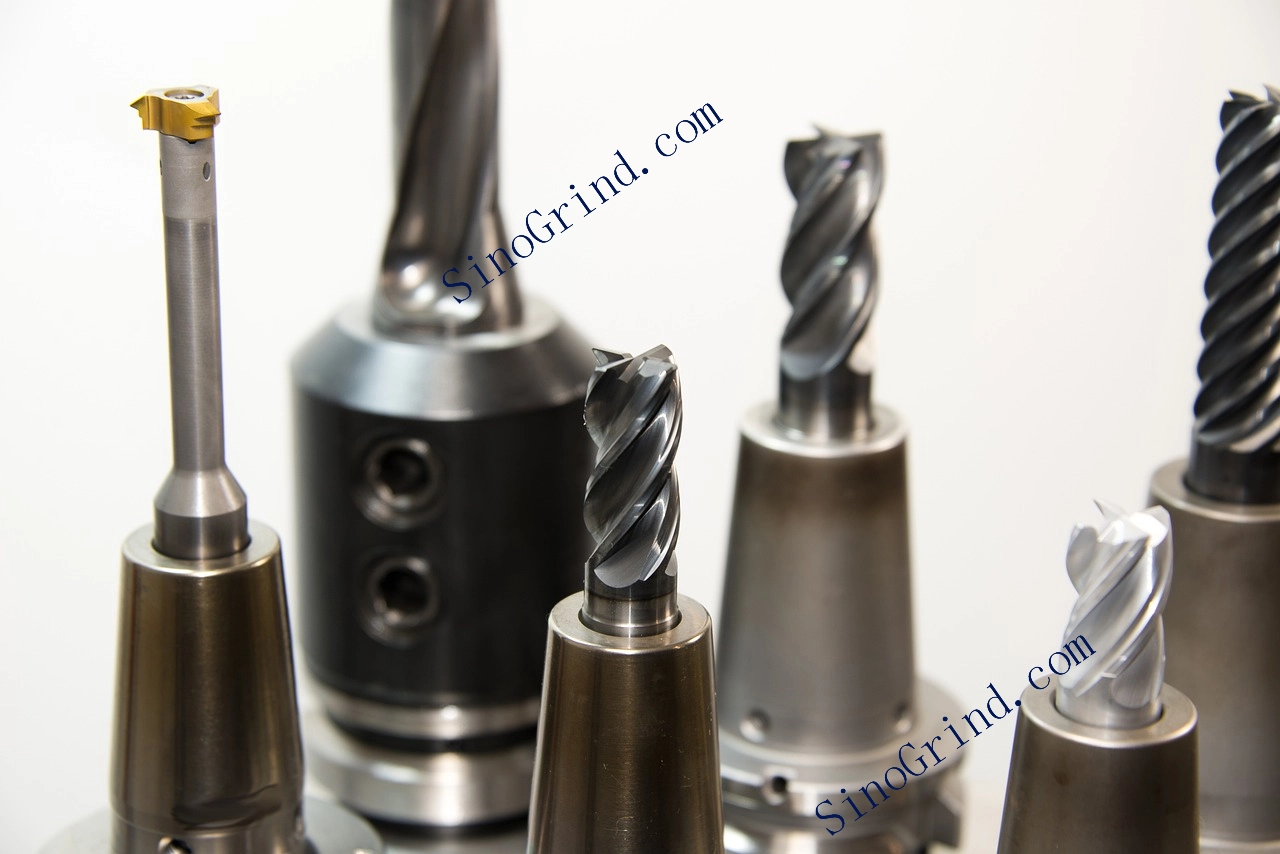
Selecting the right CNC cutting tool is a critical decision that directly impacts part quality, cycle time, tool life, and overall manufacturing cost. With a vast array of geometries, substrates, and coatings available, the choice can seem overwhelming. However, a systematic approach—focusing on the interplay between the workpiece material, the machining operation, the machine tool, and the desired outcome—can transform this complex task into a clear, logical process. This guide provides a step-by-step framework to help you make the optimal tool selection for any job.
Step 1: Understand Your Workpiece Material
The foundation of tool selection begins with the material you are cutting. Its mechanical properties dictate the primary challenges your tool will face.
- Steel & Stainless Steel: These materials are tough and prone to work-hardening (especially stainless). They require tools with sharp, strong edges and substrates/coatings that resist abrasive and adhesive wear (e.g., fine-grain carbide with TiAlN coating).
- Cast Iron: Highly abrasive due to its graphite and silicon carbide content. Tools need a very wear-resistant substrate (often a K-grade carbide) and may benefit from CVD coatings for long roughing operations.
- High-Temperature Alloys (Inconel, Titanium): These "difficult-to-machine" materials generate extreme heat and exert high pressure on the cutting edge. A tough, heat-resistant substrate (M-grade) combined with a nano-composite PVD coating (like AlCrN) is essential.
- Non-Ferrous Metals (Aluminum, Copper): Softer but can be gummy, leading to built-up edge (BUE). Polished flutes and specialized coatings like Diamond-Like Carbon (DLC) or uncoated, fine-grain carbide are often preferred for a clean finish.
- Composites & Plastics: Require extremely sharp, polished edges to prevent fraying or melting. Solid carbide tools with specific geometries (e.g., compression cutters for CFRP) are standard.
Step 2: Define the Machining Operation
The type of operation determines the tool's geometry and structural requirements.
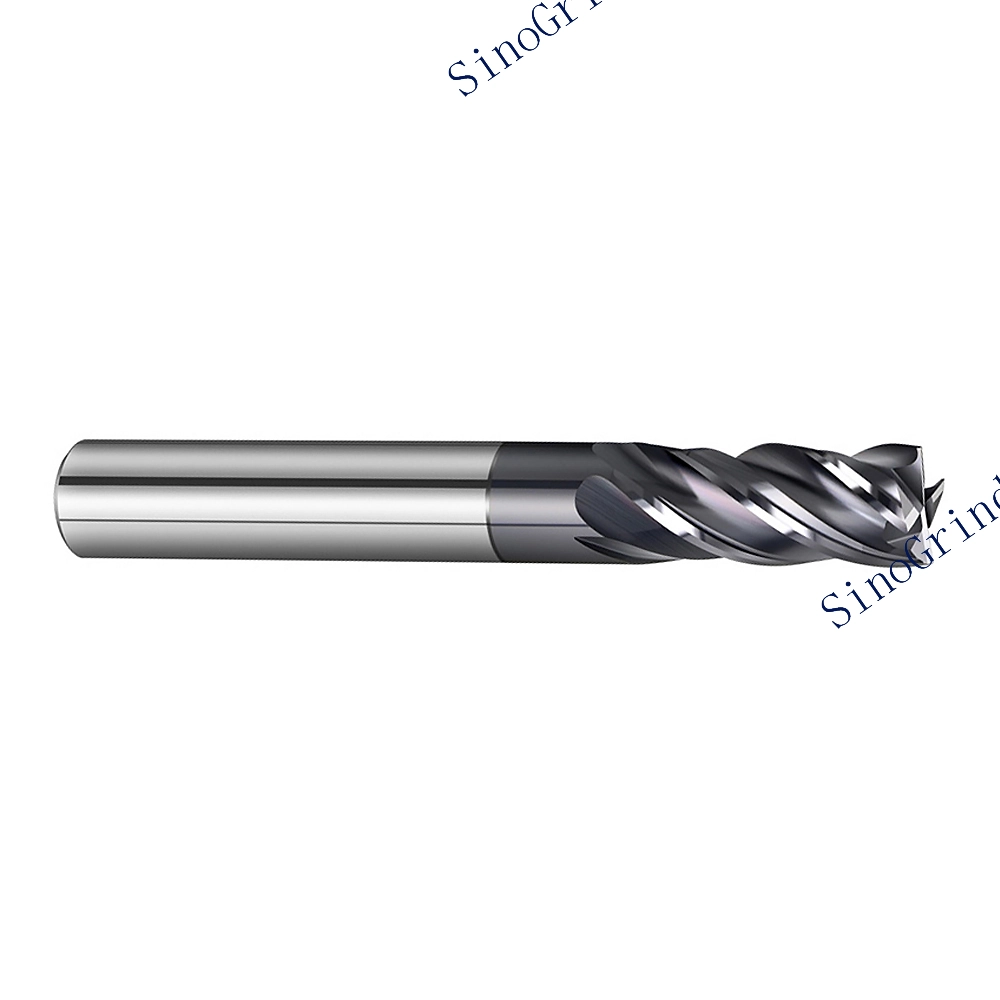
- Roughing: The goal is to remove material quickly. Tools should have a strong core, fewer flutes (for better chip evacuation), and a more aggressive helix angle. Toughness is prioritized over a perfect finish.
- Finishing: The focus shifts to achieving precise dimensions and a superior surface finish. Tools will have more flutes, a smaller helix angle, and a sharper, more polished cutting edge. Wear resistance becomes paramount.
- Slotting vs. Profiling: Slotting (plunging straight down) is a heavy, interrupted cut requiring a very rigid tool. Profiling (side cutting) is generally a lighter, continuous cut allowing for more flexible tool choices.
- Drilling & Threading: These operations demand specific point angles, flute designs, and tolerances. For example, a drill for stainless steel will have a different point angle and web thickness than one for aluminum.
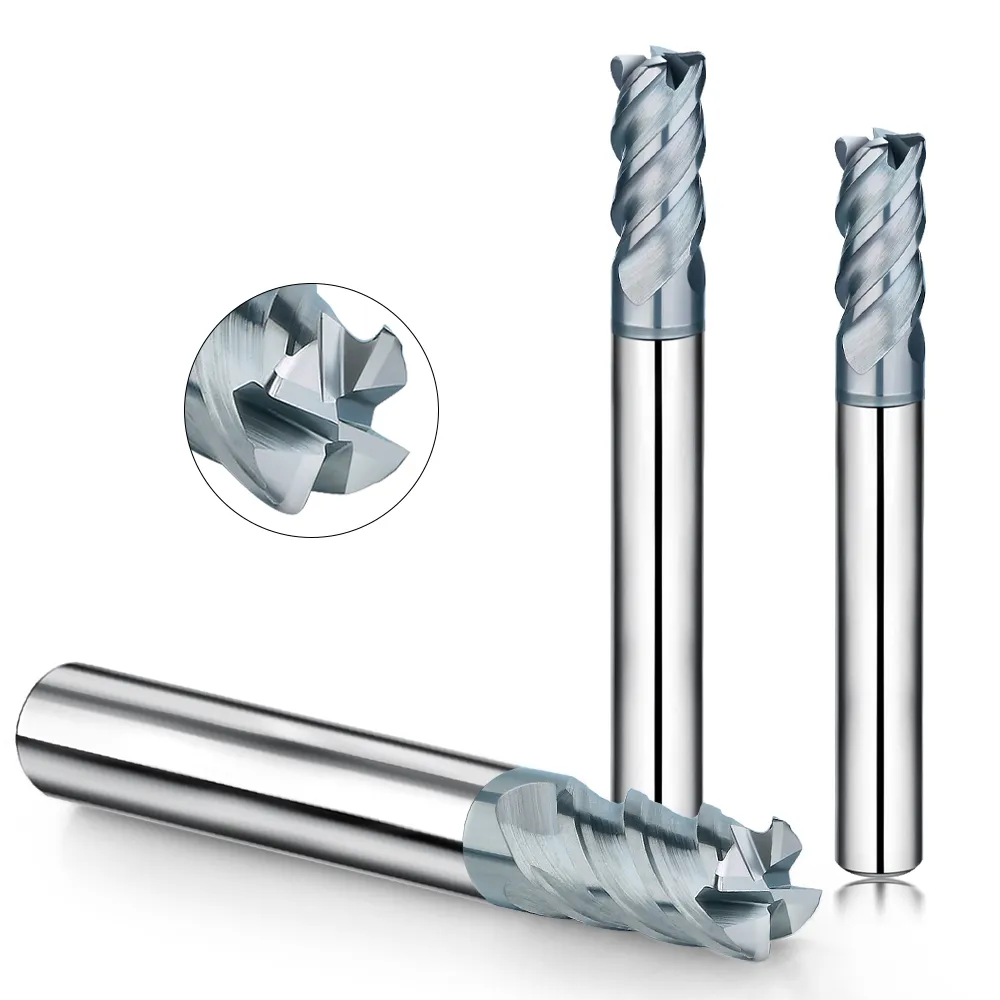
Step 3: Consider Your Machine Tool and Setup
Your CNC machine’s capabilities are a hard constraint on your tool selection.
- Spindle Power & Torque: Aggressive roughing with a large-diameter tool requires significant power. A less powerful machine may necessitate using a smaller tool or a more conservative cutting strategy.
- Maximum RPM: High-speed machining of aluminum or composites requires tools that can run at very high RPMs without failing. Ensure your tool’s maximum speed rating exceeds your planned operating speed.
- Rigidity & Stability: A less rigid machine or a long tool overhang will amplify vibrations (chatter). In these cases, choose a shorter, stubbier tool with a variable helix or pitch to disrupt harmonic frequencies and improve stability.
Step 4: Align with Your Quality and Efficiency Goals
Finally, your selection must serve your ultimate objective.
- For Maximum Tool Life & Lowest Cost-per-Part: Invest in a premium tool with an advanced multi-layer coating and an optimized substrate. The higher upfront cost is often justified by dramatically extended life and reduced downtime.
- For the Best Possible Surface Finish: Prioritize tools with a high flute count, a polished surface finish, and a geometry designed for fine chip loads. A sharp, wear-resistant coating is also critical.
- For High-Volume Production: Consistency and reliability are key. Choose tools from a reputable supplier with tight quality control and consider using tool presetters and in-process monitoring to ensure every tool performs as expected.
"The perfect tool isn't the most expensive one on the shelf; it's the one that best balances all these factors for your specific application," says a veteran applications engineer. "A systematic selection process turns guesswork into a strategic advantage."
Conclusion: A Holistic Approach
Effective CNC tool selection is not a single-variable decision but a holistic engineering process. By methodically evaluating your workpiece, operation, machine, and goals, you can move beyond trial-and-error and build a reliable, efficient, and high-quality machining process. This guide provides the framework—now it’s time to put it into practice.