: +86 15874211461

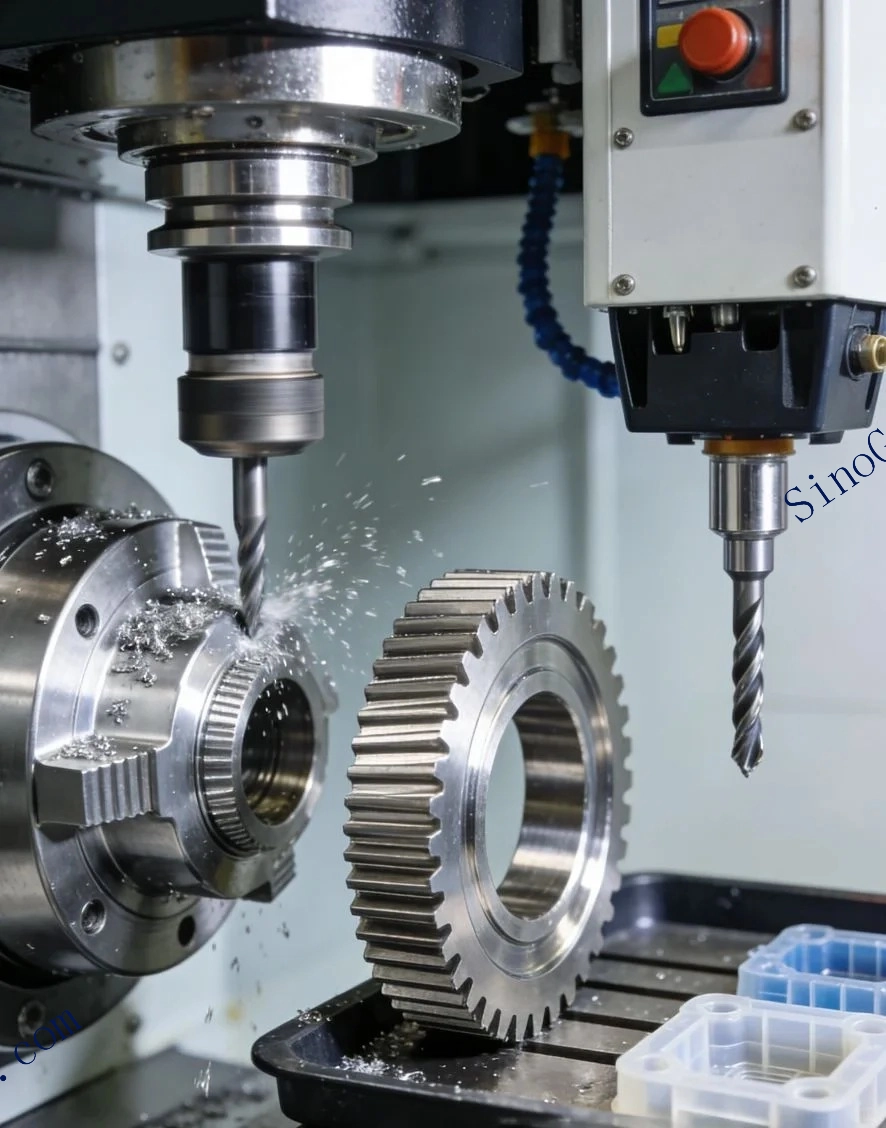
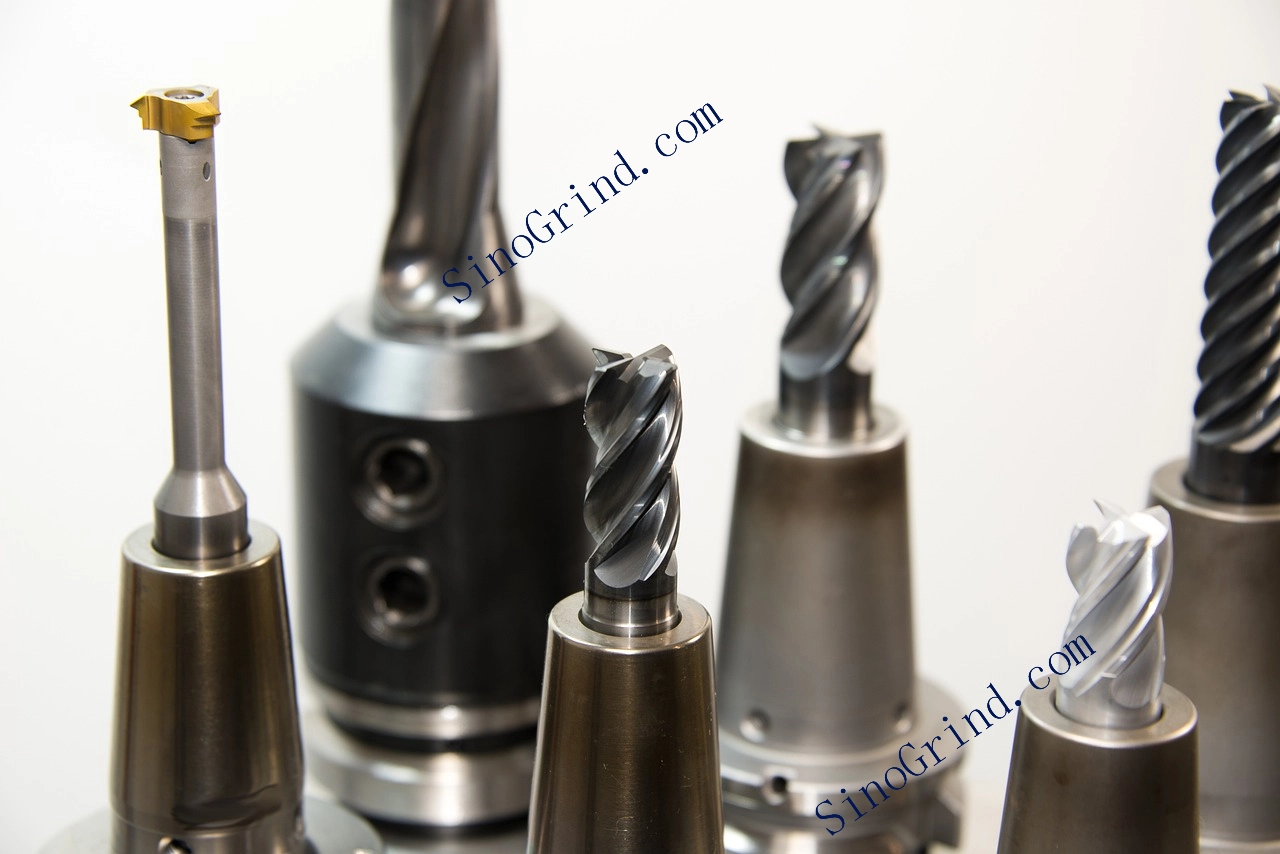
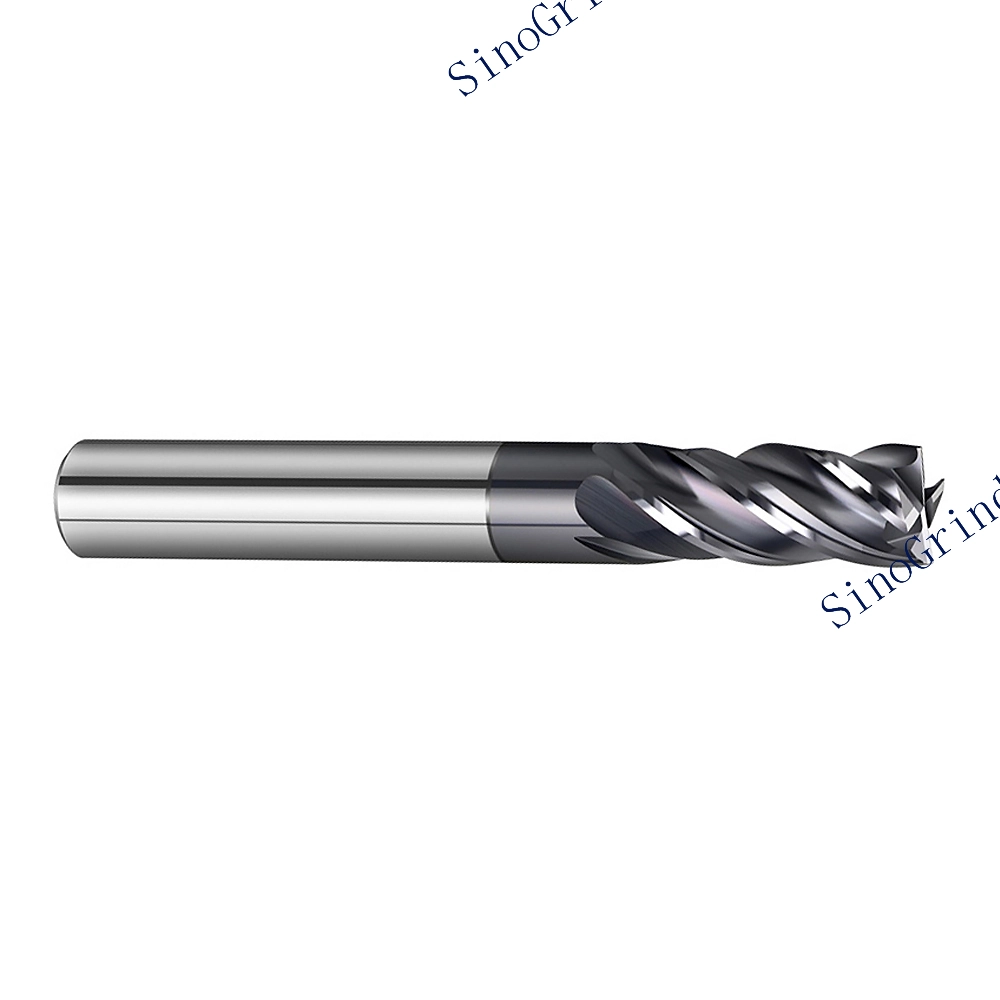
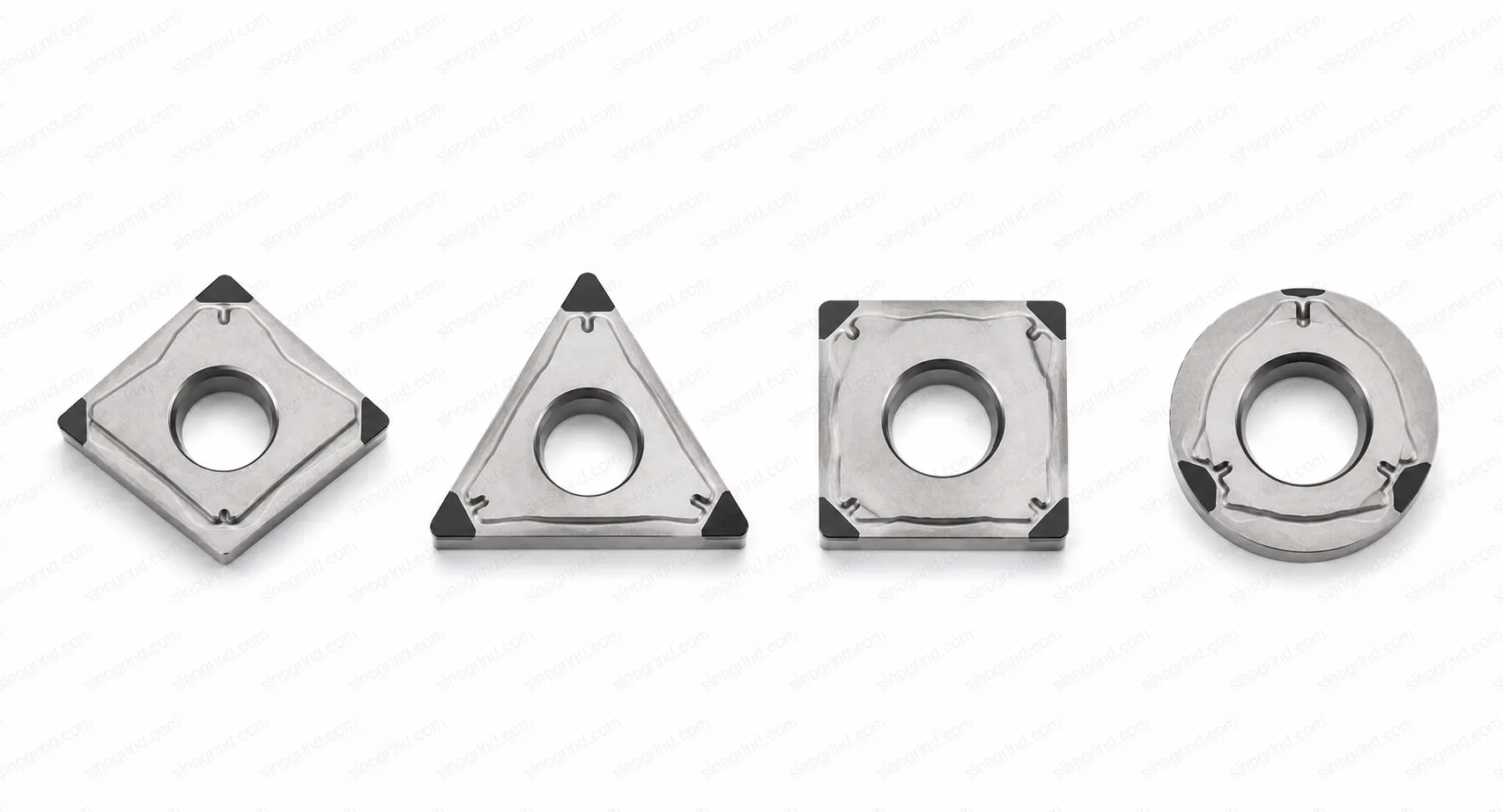
The performance and longevity of a CNC cutting tool are determined long before it ever touches a workpiece. The foundation of every high-performance end mill, drill, or insert is its substrate—the core material that provides the necessary toughness, hardness, and thermal stability for the job. In modern precision machining, this choice overwhelmingly comes down to selecting the right grade of tungsten carbide. Understanding the nuances between these grades is not just technical detail; it’s the key to unlocking optimal productivity, surface finish, and cost-efficiency.
The Carbide Core: More Than Just Hardness
Tungsten carbide (WC) is a composite material made from tungsten carbide particles bonded together with a metallic binder, typically cobalt (Co). While it’s renowned for its extreme hardness, its properties are highly tunable. By adjusting three primary variables—the size of the WC grains, the percentage of the cobalt binder, and the addition of other carbides like titanium (TiC), tantalum (TaC), or niobium (NbC)—manufacturers can create a spectrum of carbide grades, each engineered for a specific set of challenges.
- Grain Size: Ranges from nano-grain (<0.2µm) to coarse grain (>5µm). Finer grains yield a harder, more wear-resistant but more brittle substrate. Coarser grains provide greater toughness and resistance to chipping and breakage.
- Cobalt Content: Acts as the "glue." Higher cobalt content (e.g., 10-25%) increases toughness and thermal shock resistance but reduces overall hardness. Lower cobalt content (e.g., 3-6%) maximizes hardness and wear resistance at the expense of brittleness.
- Additives (Cubic Carbides): TiC, TaC, and NbC are added to improve chemical stability, reduce built-up edge (BUE) in sticky materials like aluminum or stainless steel, and enhance performance at high cutting speeds by resisting diffusion wear.
Decoding the ISO Application Classes
To simplify selection, the International Organization for Standardization (ISO) has established a classification system (ISO 513) that groups carbide grades by their primary application. This system uses a letter-number combination (e.g., P10, M30, K20).
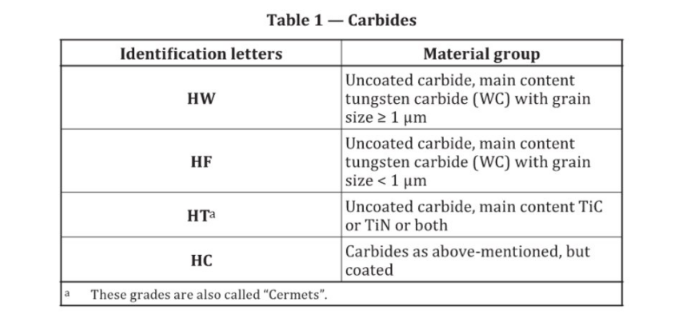
- P-Grades (Blue): Designed for long-chipping ferrous materials like carbon steels, alloy steels, and cast irons. They feature a hard, wear-resistant substrate with cubic carbide additives to combat crater wear on the rake face. A P01 grade is very hard and fine-grained for finishing, while a P50 grade is much tougher for roughing interrupted cuts.
- M-Grades (Yellow): The "universal" or "stainless steel" grades. These are balanced for materials that are both abrasive and prone to work-hardening, such as austenitic stainless steels, superalloys, and high-temperature alloys. They offer a blend of toughness, hot hardness, and chemical stability.
- K-Grades (Red): Optimized for short-chipping materials, including gray cast iron, non-ferrous metals (aluminum, copper), plastics, and composites. They prioritize a tough, straight WC-Co composition to resist the abrasive wear from materials like cast iron or the high thermal loads from machining aluminum at high speeds.
Beyond ISO: Real-World Selection Strategy
While the ISO system is a crucial starting point, real-world tool selection requires a deeper look into the specific machining operation.
"For a high-feed milling operation on a hardened die steel (HRC 50+), you wouldn't just pick any P-grade," explains a senior applications engineer at SinoGrind. "You'd need a sub-micron grain, low-cobalt grade with a specialized coating to handle the intense abrasion and heat. Conversely, for roughing a large, uneven forging of the same steel, a coarse-grain, high-cobalt P-grade is essential to survive the heavy, interrupted cuts without fracturing."
Key factors to consider include:
- Workpiece Material & Condition: Is it annealed, hardened, or a high-temperature alloy? Is the cut continuous or heavily interrupted?
- Operation Type: Finishing requires a sharp, wear-resistant edge (fine grain). Roughing demands impact resistance (coarse grain, high cobalt).
- Machine Tool Rigidity: A less rigid machine may transmit more vibration, necessitating a tougher tool grade to prevent chipping.
The Synergy with Coatings
The substrate is only half the story. Modern CNC tools almost always feature advanced Physical Vapor Deposition (PVD) or Chemical Vapor Deposition (CVD) coatings (like TiAlN, AlCrN, or diamond). The substrate must be compatible with the coating process and provide a stable foundation. A tough substrate prevents micro-fractures that can cause the brittle coating to spall off, while a hard substrate ensures the coating isn't worn through prematurely.
In conclusion, choosing the right CNC tool isn't just about geometry or price—it starts with the intelligent selection of the substrate. By understanding the science behind carbide grades and their alignment with your specific application, you transform your cutting tool from a simple consumable into a strategic asset for precision manufacturing.