: +86 15874211461

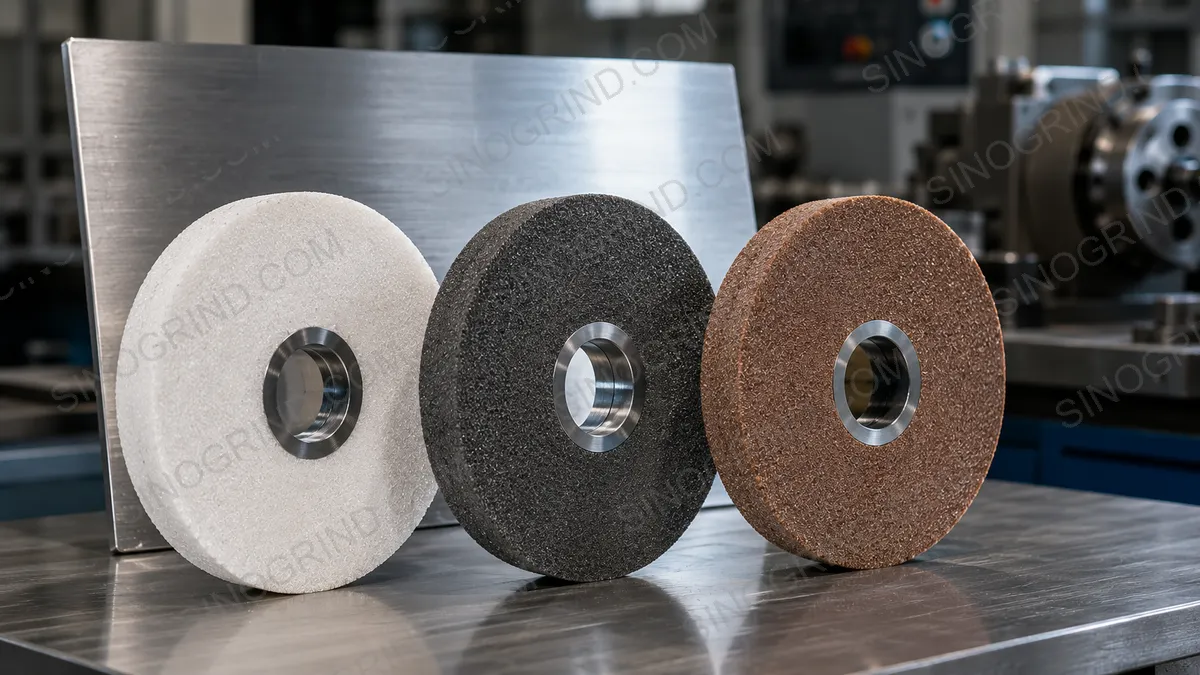
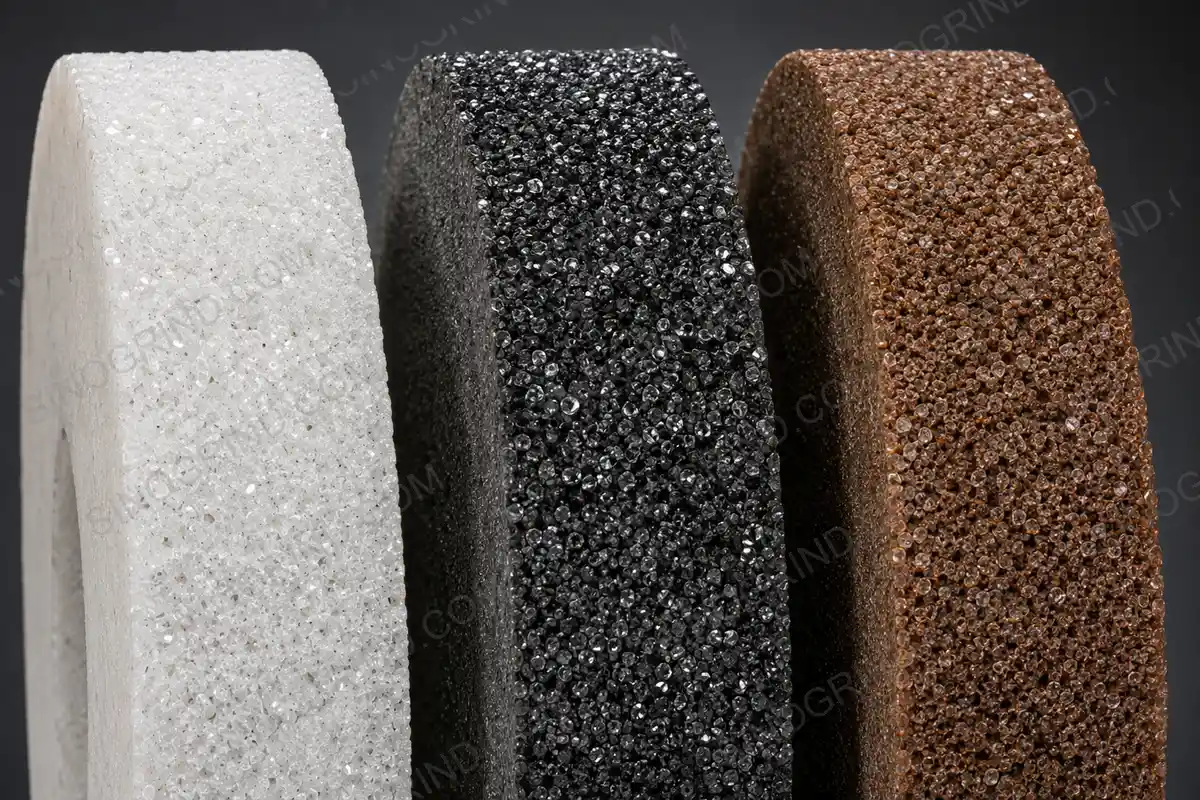
Quick answer: For most stainless steel, use a white aluminium oxide (WA) wheel in a soft, open grade — typically 46#–80# for general work and 100#–180# for finishing. White grain stays sharp and cuts cooler than tough brown grain, which helps avoid loading, burn and work hardening. Use CBN only for hardened stainless or high-volume precision work, and zirconia alumina for heavy roughing.
Related reading: Aluminum oxide grinding wheels · Alumina grit and grade guide · Aluminum oxide vs CBN · Wheel troubleshooting.
Choosing the right grinding wheel for stainless steel is critical to avoid heat damage, work hardening, and poor surface finish. The best options are white aluminium oxide wheels for general stainless steel grinding, CBN wheels for hardened stainless and precision work, and zirconia alumina for heavy stock removal. This guide explains what grinding wheel for stainless steel fits each job.
Why Stainless Steel Is Hard to Grind
Stainless steel is tough, gummy, and has low thermal conductivity. Heat builds up quickly at the grinding point, which can cause heat-affected zones, discoloration, and work hardening. That is why the grinding wheel you choose must cut cool and stay sharp — the wrong wheel burns the surface and shortens wheel life.
Best Grinding Wheel for Stainless Steel: Aluminium Oxide
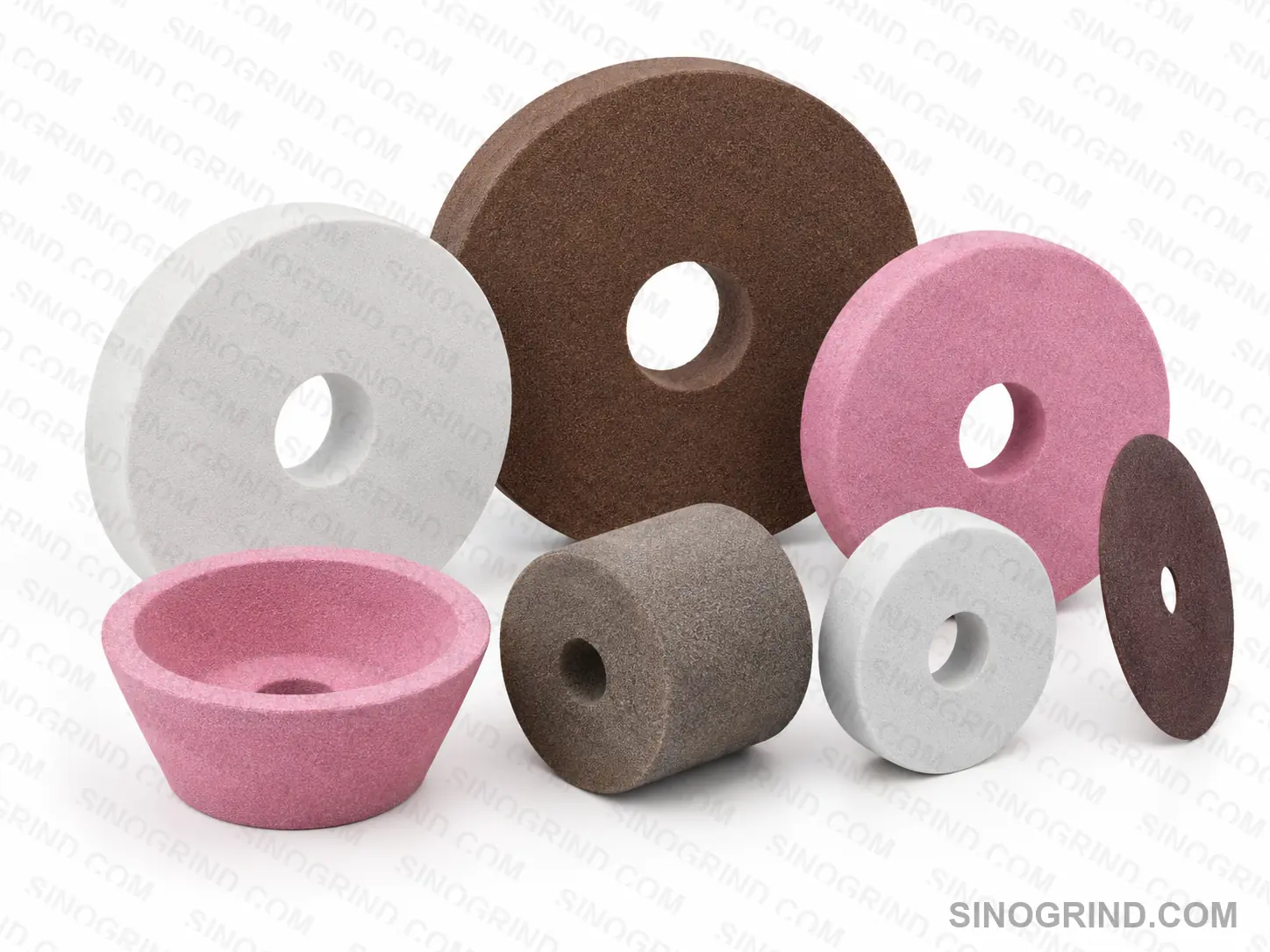
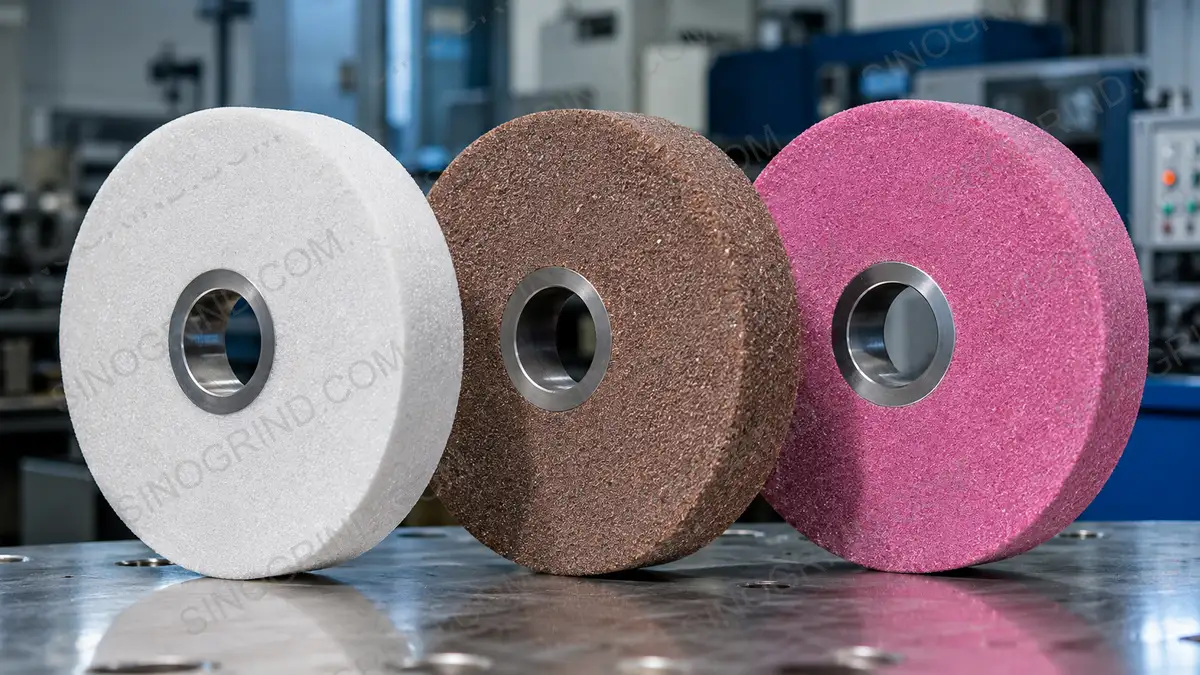
White aluminium oxide (WA) wheels are the most common choice for grinding stainless steel. The sharp, friable grains break away to expose fresh cutting edges, keeping the wheel cool and preventing burn. WA wheels are ideal for surface grinding, tool grinding, and finishing operations on stainless steel.
| Stainless type / operation | Alumina type | Grit | Grade | Bond / structure | Note |
|---|---|---|---|---|---|
| Austenitic 304 / 316, general | White WA | 46# – 80# | G – I | Vitrified, open | Cool cutting; avoid hard grades that glaze |
| Austenitic, fine finish | White WA | 100# – 180# | G – J | Vitrified, open | Light passes; sharp dressing and clean coolant |
| Martensitic, hardened | White WA (or CBN) | 60# – 120# | G – J | Vitrified | CBN if hard and high volume |
| Ferritic, general roughing | Brown A or white WA | 36# – 60# | J – L | Vitrified | Brown acceptable for rough work; WA for finish |
| Duplex stainless | White WA | 46# – 80# | G – I | Vitrified, open | Heat control is critical; avoid dwelling |
| Heavy stock removal / snagging | Brown A or zirconia alumina | 16# – 24# | Hard | Resin | Not a precision finish; high pressure |
| Cut-off and chop saw | Brown A | 24# – 36# | M – P | Resin | Check maximum RPM and wheel rating |
Typical starting points. Confirm against the actual stainless grade, hardness and finish target.
Stainless is gummy and has low thermal conductivity, so heat builds at the contact and the surface can work-harden. A friable white grain keeps producing fresh edges instead of rubbing, which is why it outperforms a tough brown grain on austenitic grades even though both are aluminium oxide. Brown A is not forbidden — it can be economical for rough ferritic work or heavy weld dressing — but on 304, 316 and duplex it tends to glaze and load unless the grade is soft and the coolant is strong.
Grade and structure matter as much as grit. Choose a soft to medium-soft grade (G–I) and an open structure so chips and coolant can clear the contact. A hard, dense wheel may hold form, but on stainless it usually burns the surface before it wears out. Keep grit in the 46#–80# range for general work and move to 100#–180# only for finishing.
One terminology note: aluminium oxide is a conventional abrasive, so it is specified by grit, grade, structure and bond — not by “concentration”, which is a diamond and CBN term. If a supplier quotes concentration for an alumina wheel, ask for the grit and grade instead. For the full selection method, see the alumina grit and grade guide and the aluminum oxide product page.
CBN Wheel for Stainless Steel
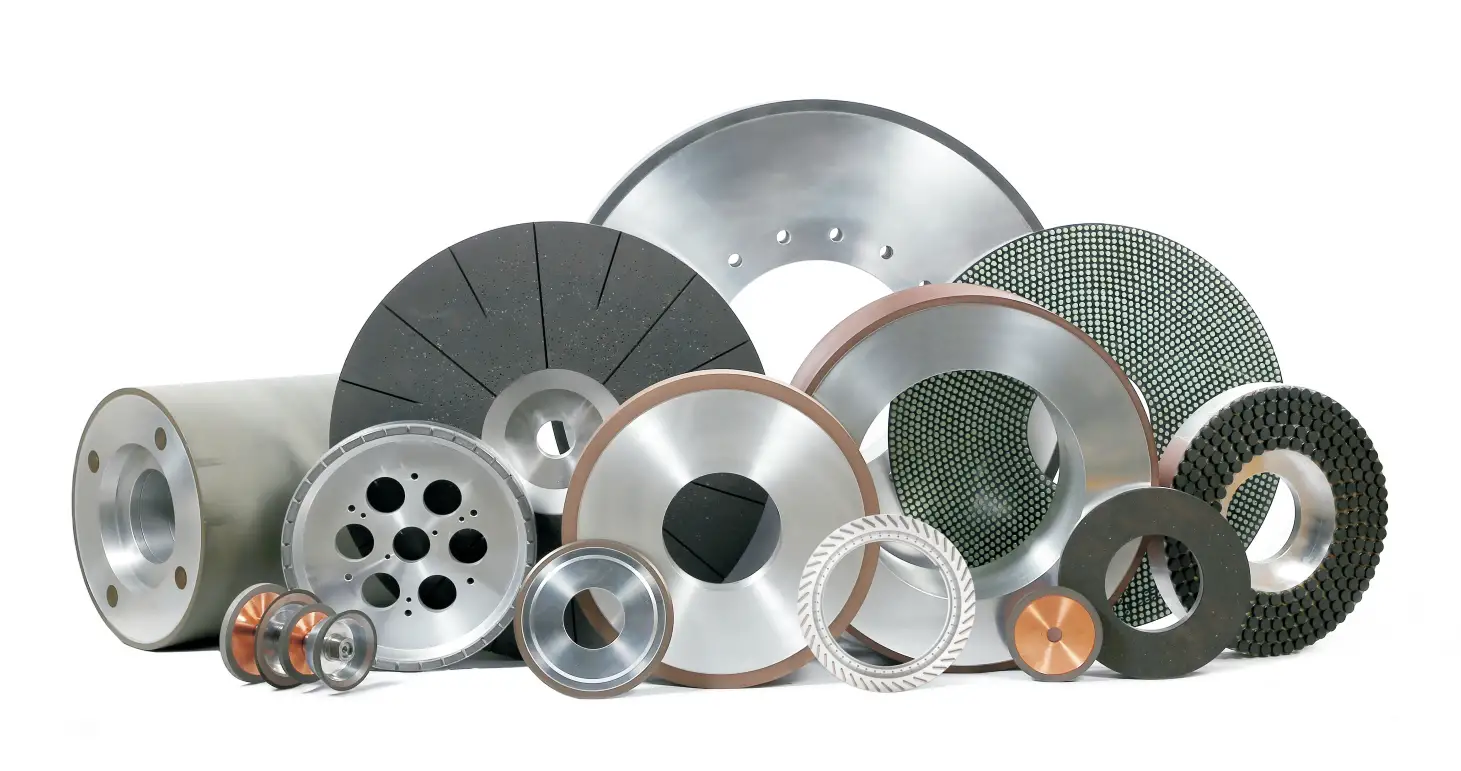
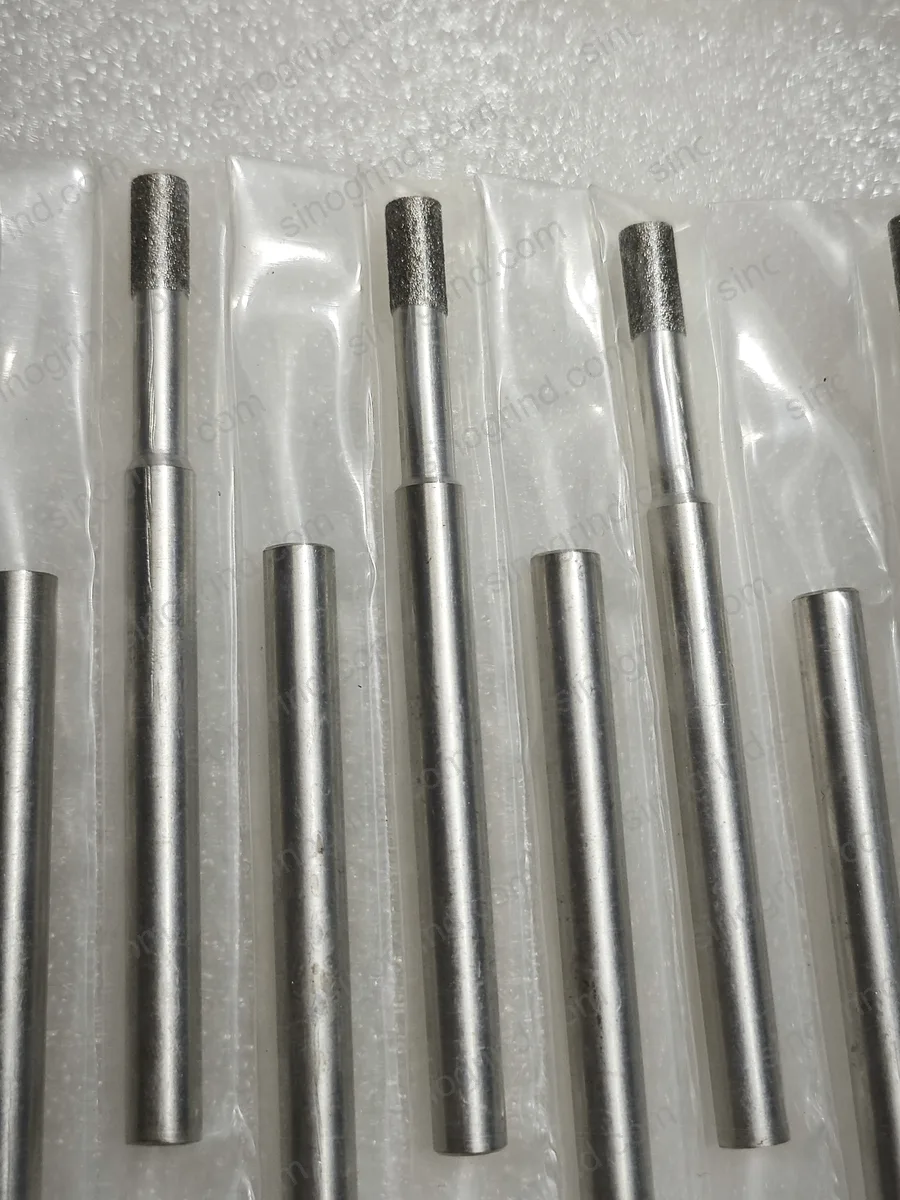
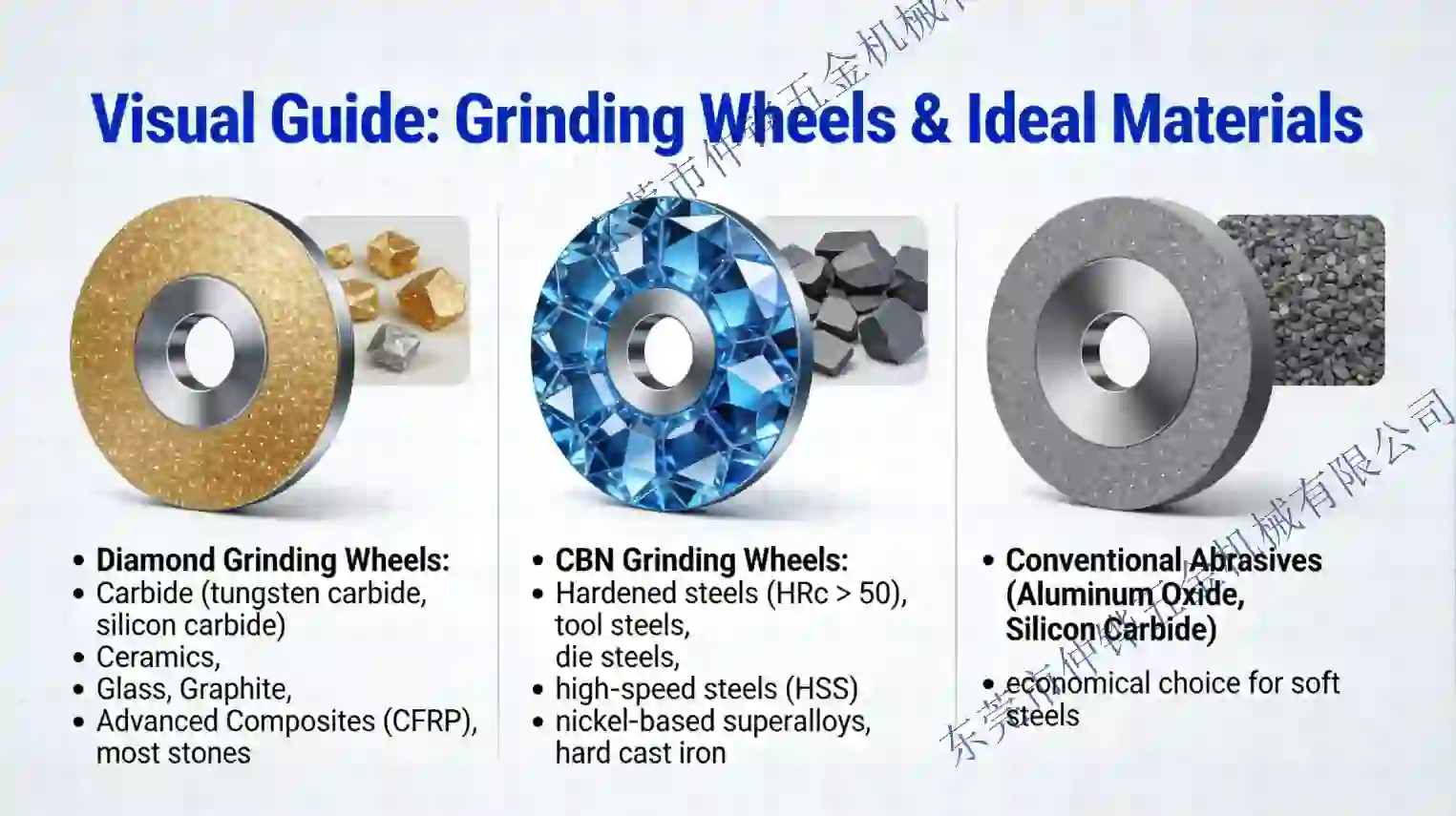
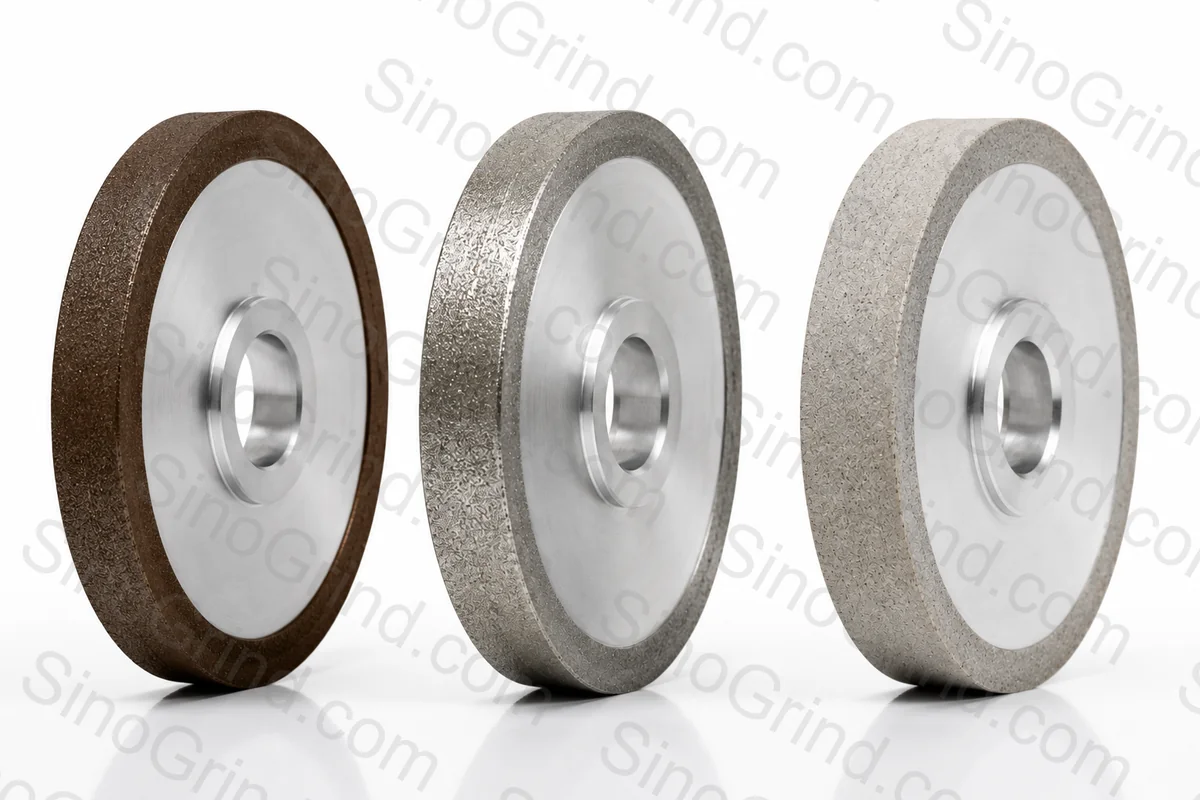
CBN (cubic boron nitride) wheels grind hardened stainless steel and high-alloy steels with minimal heat and excellent wheel life. They are the best choice for high-production precision grinding of hardened stainless components, though they cost more than conventional aluminium oxide wheels.
Zirconia Alumina for Heavy Stock Removal
Zirconia alumina wheels are self-sharpening and long-lasting, making them ideal for heavy rough grinding and snagging of stainless steel. They handle high pressure without glazing and remove material faster than standard aluminium oxide on tough stainless alloys.
How to Choose Grit, Bond, and Coolant
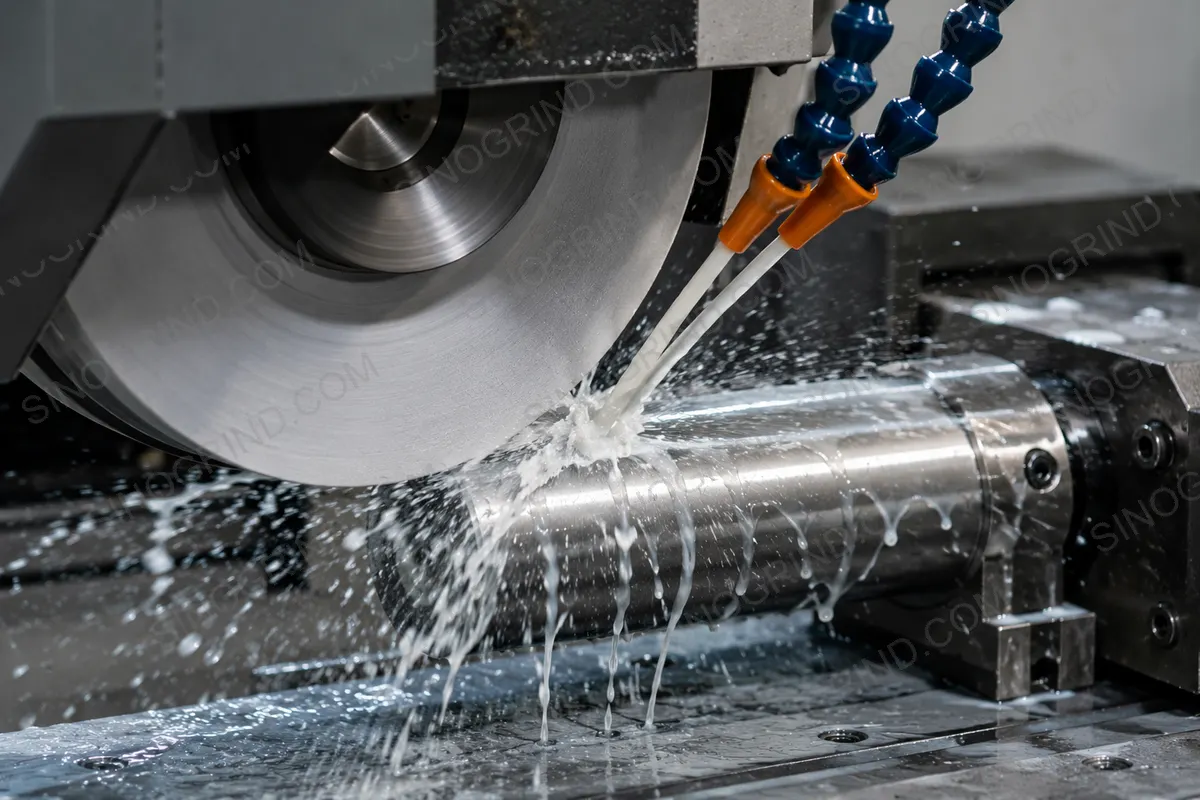
- Grit size: Coarse grit (36#–46#) for rough grinding and stock removal; medium grit (60#–80#) for general work; fine grit (100#–180#) for finishing.
- Hardness grade: Use soft to medium grades (G–L) so the wheel stays sharp and cuts cool on stainless steel.
- Bond: Vitrified bond for precision grinding; resin or rubber bond for cutoff and portable work.
- Coolant: Always use adequate coolant to control heat and prevent work hardening when grinding stainless steel.
- Dressing: Dress the wheel regularly with Diamond Dressing Tools to keep it open and free-cutting.
Common Mistakes When Grinding Stainless Steel
Using a hard wheel that glazes over, grinding without coolant, and pressing too hard are the most common mistakes. A glazed wheel rubs instead of cutting, generating heat that work-hardens the stainless surface. Always run cool, use a sharp wheel, and let the wheel do the work.
Which Wheel Is Right for Your Job?
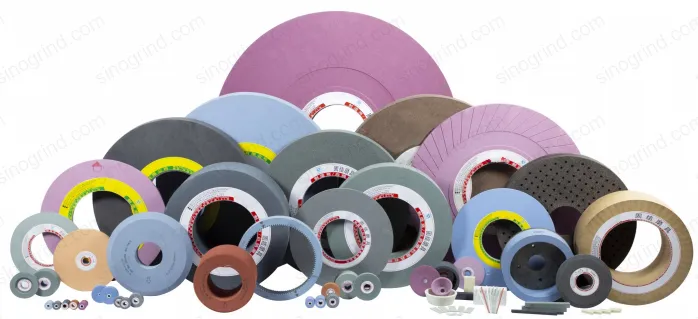
For general stainless steel grinding, a white aluminium oxide wheel is the economical and reliable choice. For hardened stainless or high-production precision work, choose a CBN grinding wheel. For heavy roughing, zirconia alumina removes metal fastest. Compare the two main options in aluminum oxide vs CBN, and see the aluminum oxide grinding wheel range for white, brown and pink grades.
Tell us your workpiece material, hardness, and grinding parameters. Our engineers will recommend the right wheel for your stainless steel application. If the wheel is already loading or burning, work through the troubleshooting guide and the dressing and truing guide before changing the specification.