: +86 15874211461

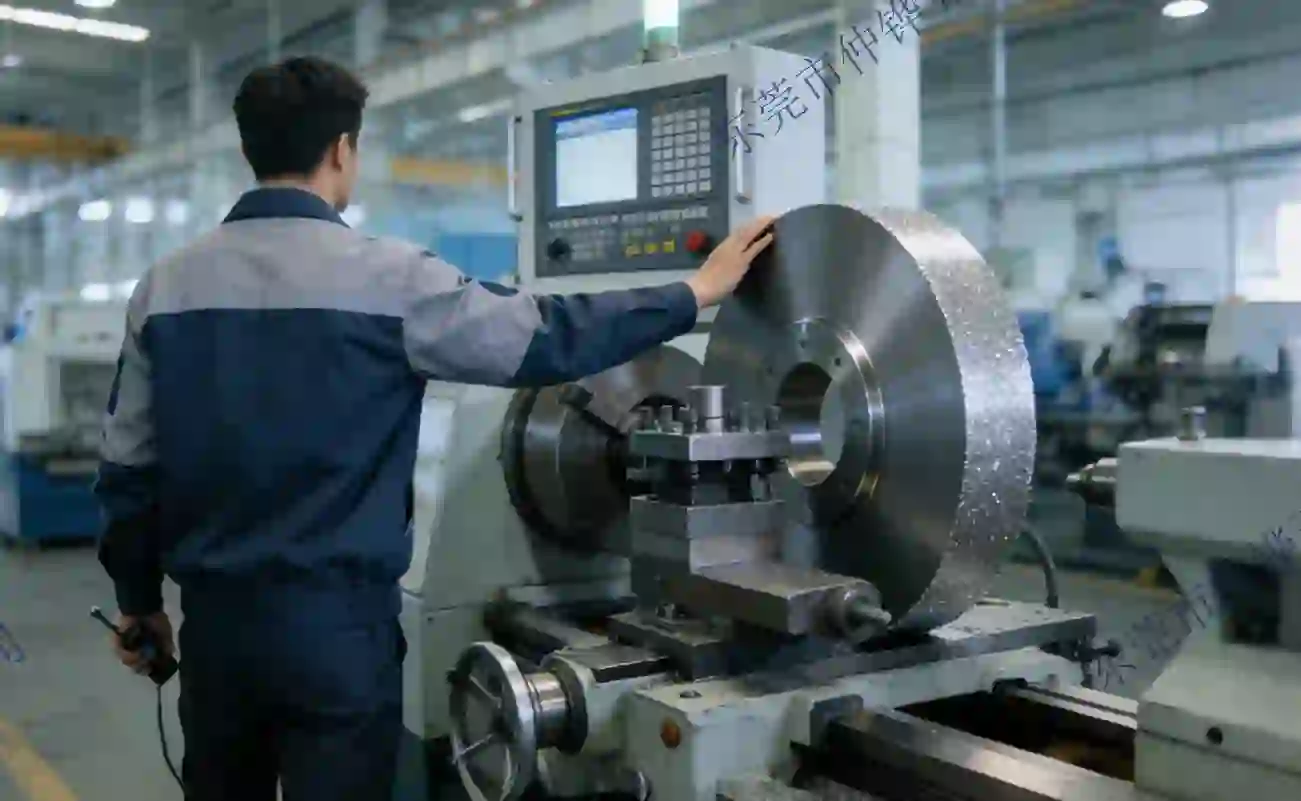
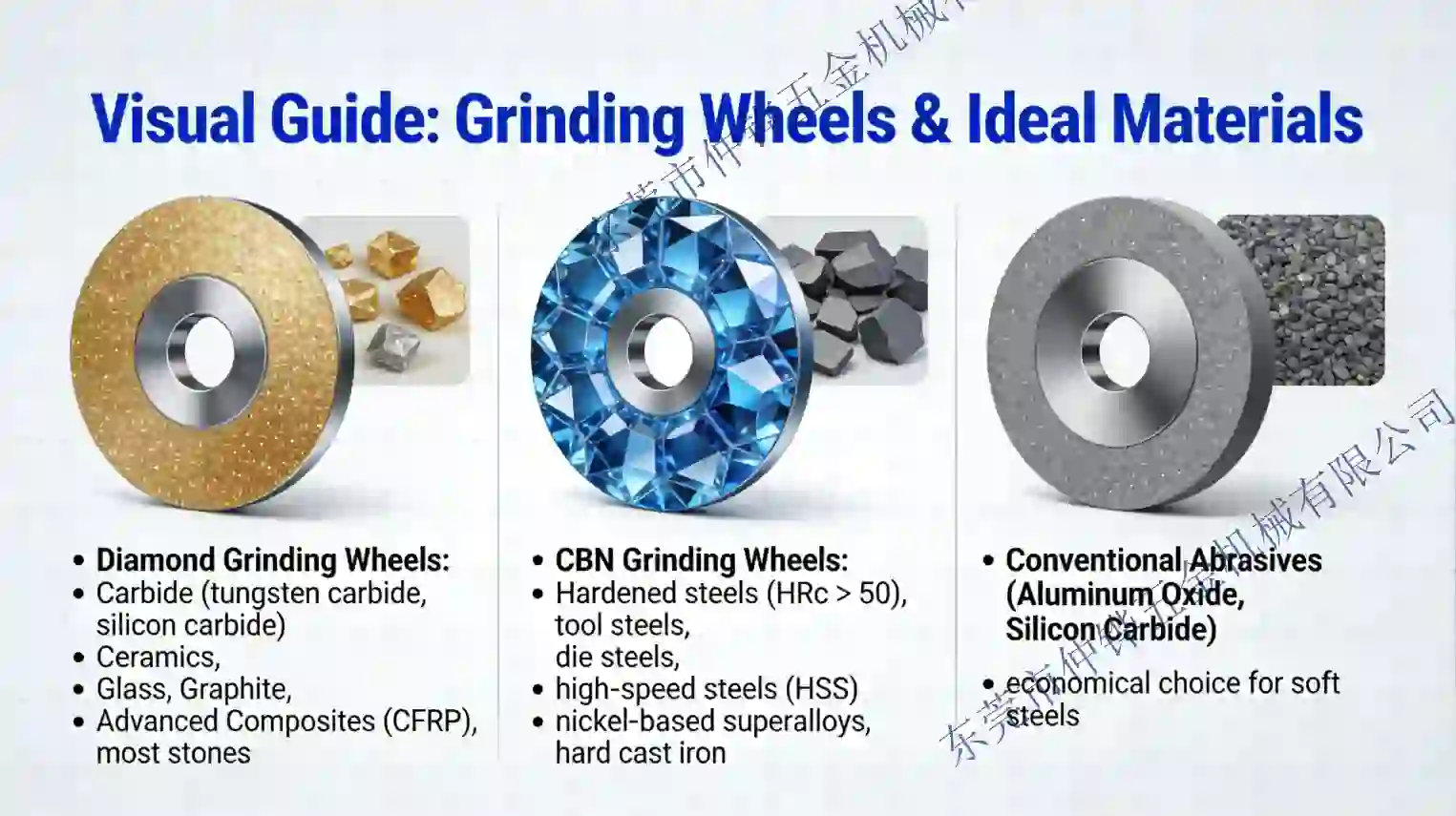
Diamond dressing tools are essential for maintaining the performance and precision of grinding wheels. Over time, grinding wheels lose their shape, become loaded with workpiece material, and develop glazing. Diamond dressing tools restore the wheel's cutting ability by removing the dull outer layer and reshaping the wheel profile. This comprehensive guide covers the types, applications, and best practices for diamond dressing tools.
What is Diamond Dressing?
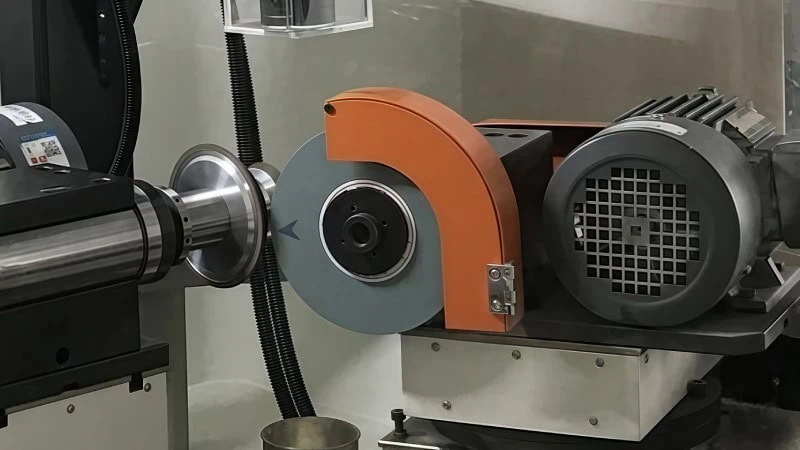
Diamond dressing is the process of conditioning a grinding wheel to restore its original cutting characteristics. There are two primary operations:
- Truing: Restoring the wheel's geometric shape and concentricity. This is critical after wheel mounting or when the wheel has become out-of-round.
- Dressing: Exposing fresh, sharp abrasive grains by removing the bond material and embedded workpiece debris. This restores the wheel's cutting ability.
Diamond is the preferred material for dressing tools because of its extreme hardness (10 on the Mohs scale), which allows it to efficiently cut through any abrasive wheel material, including CBN and other diamond wheels.
Types of Diamond Dressing Tools
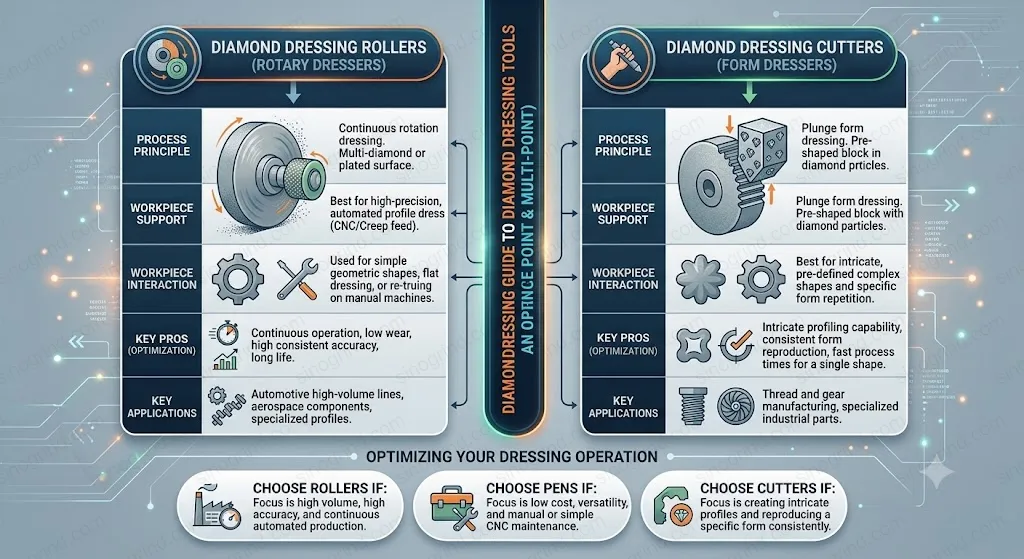
1. Diamond Dressing Rollers
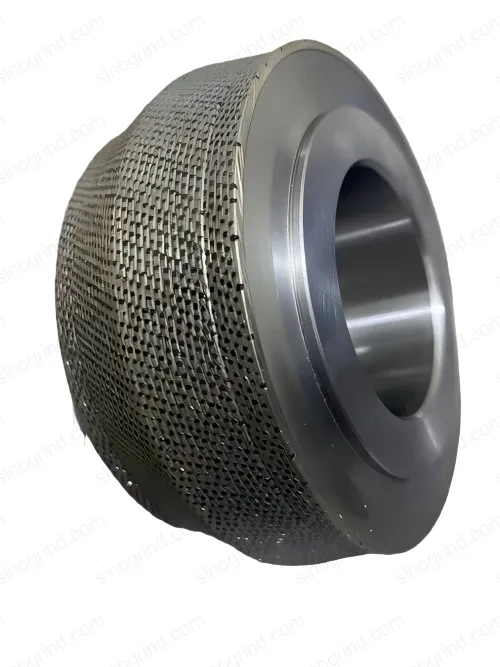
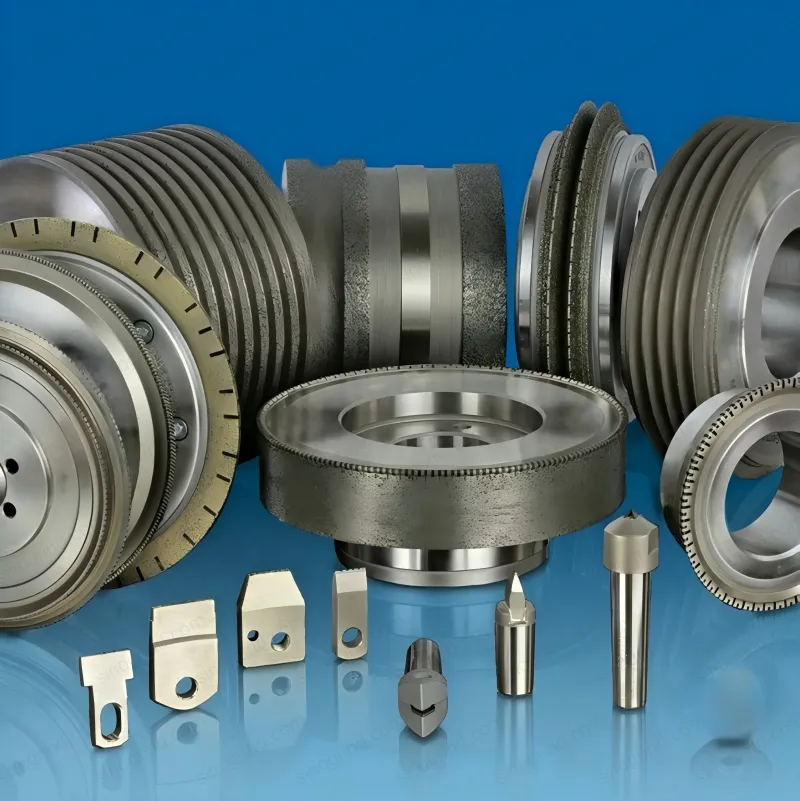
Diamond dressing rollers (also called diamond dressers or rotary dressers) are precision tools with industrial diamond particles bonded to a steel body. They are mounted on the grinding machine and used for automated, high-precision dressing operations.
Key Features:
- Single-point or multi-point diamond configurations
- Precision-ground diamond surfaces for consistent dressing
- Suitable for CNC and automated grinding machines
- Excellent for high-volume production environments
Applications:
- CNC cylindrical grinding machines
- Surface grinding machines
- Centerless grinding setups
- Profile grinding applications
2. Diamond Dressing Pens
Diamond dressing pens (also called diamond pencils or dressing sticks) are handheld tools with a single diamond tip embedded in a metal or brass holder. They are designed for manual dressing operations and are easy to use on various grinding machines.
Key Features:
- Single diamond point for precise control
- Ergonomic holder for comfortable manual operation
- Available in various diamond sizes (0.5ct to 5ct)
- Suitable for all wheel types and bond systems
Applications:
- Manual grinding machines
- Tool and cutter grinders
- Surface grinders
- Quick touch-up dressing
3. Diamond Dressing Cutters
Diamond dressing cutters are specialized tools designed for profiling complex wheel shapes. They feature multiple diamonds arranged in a specific pattern to create precise wheel profiles in a single pass.
Key Features:
- Custom diamond arrangements for specific profiles
- High diamond concentration for extended tool life
- Suitable for complex profile grinding
- Fast dressing cycles for production efficiency
Selecting the Right Diamond Dressing Tool
Choosing the correct dressing tool depends on several factors:
| Factor | Roller | Pen | Cutter |
|---|---|---|---|
| Automation Level | High (CNC) | Manual | High (CNC) |
| Precision | Excellent | Good | Excellent |
| Profile Capability | Simple to Complex | Simple only | Complex profiles |
| Production Volume | High | Low to Medium | High |
Best Practices for Diamond Dressing
- Dress frequently with light cuts: It's better to dress lightly and often than to take heavy cuts. Light dressing extends both wheel and dresser life.
- Maintain proper dressing parameters: Use the correct dressing speed, depth of cut, and traverse rate for your specific wheel and application.
- Keep the dresser sharp: Rotate the dresser regularly to expose fresh diamond surfaces. A dull dresser will cause wheel damage.
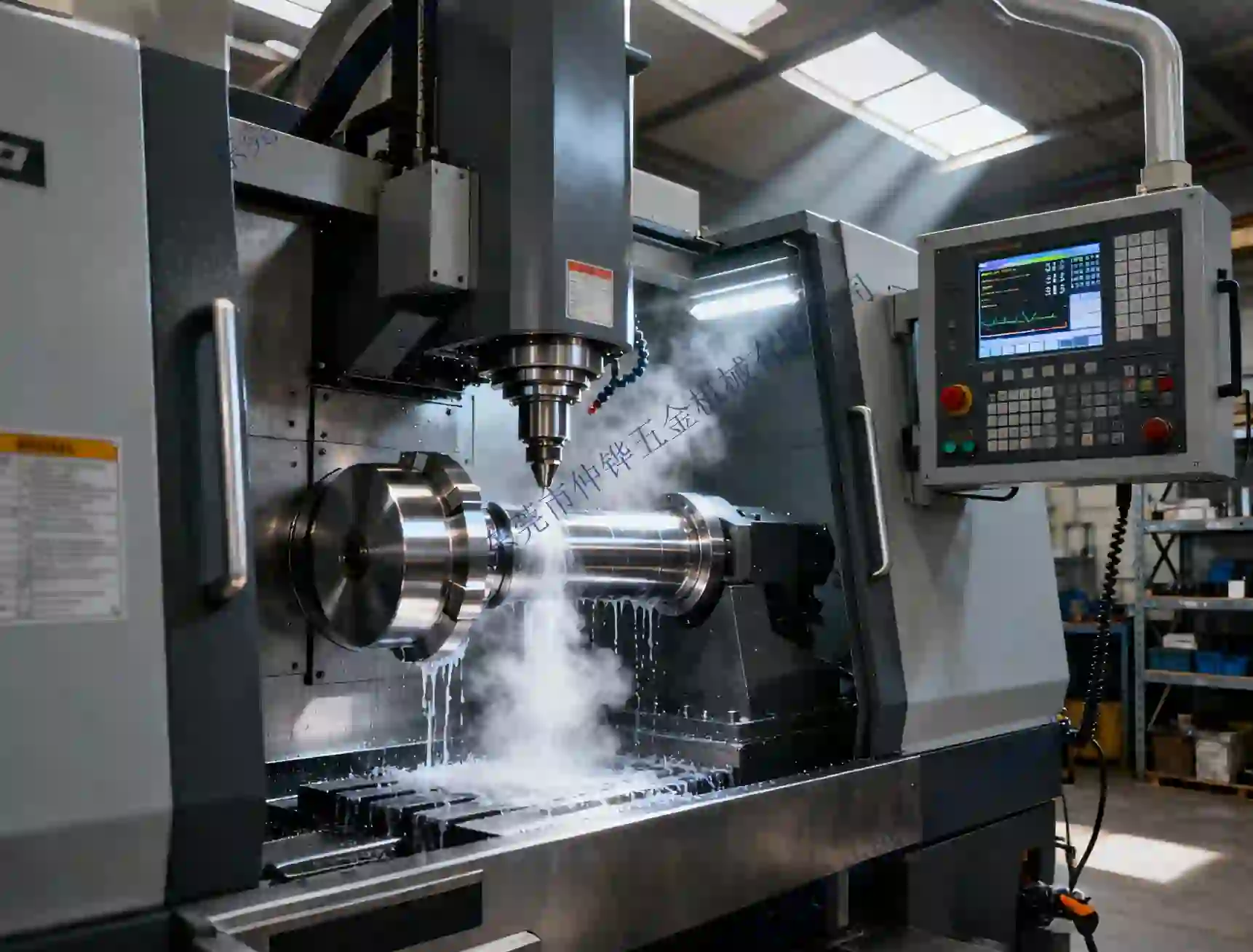
- Use adequate coolant: Dressing generates heat. Proper coolant application prevents thermal damage to both the wheel and dresser.
- Check wheel balance after dressing: Dressing can affect wheel balance. Always check and correct balance after dressing operations.
"Regular dressing with sharp diamond tools is the single most important factor in maintaining consistent grinding quality and maximizing wheel life."
Conclusion
Diamond dressing tools are investments in grinding quality. Whether you choose rollers for automated production, pens for manual operations, or cutters for complex profiles, selecting the right tool and following proper dressing practices will ensure your grinding wheels perform at their best. At SinoGrind, we manufacture a complete range of diamond dressing tools to meet all your grinding maintenance needs.