: +86 15874211461

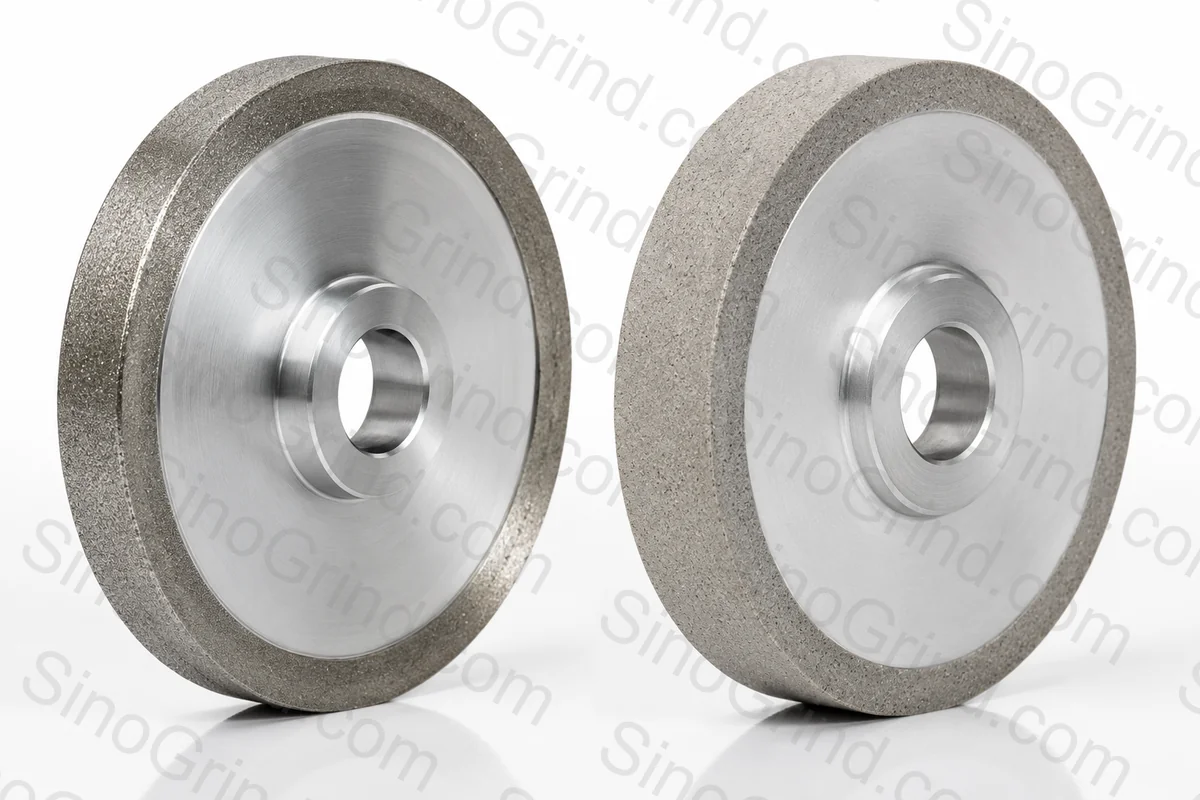
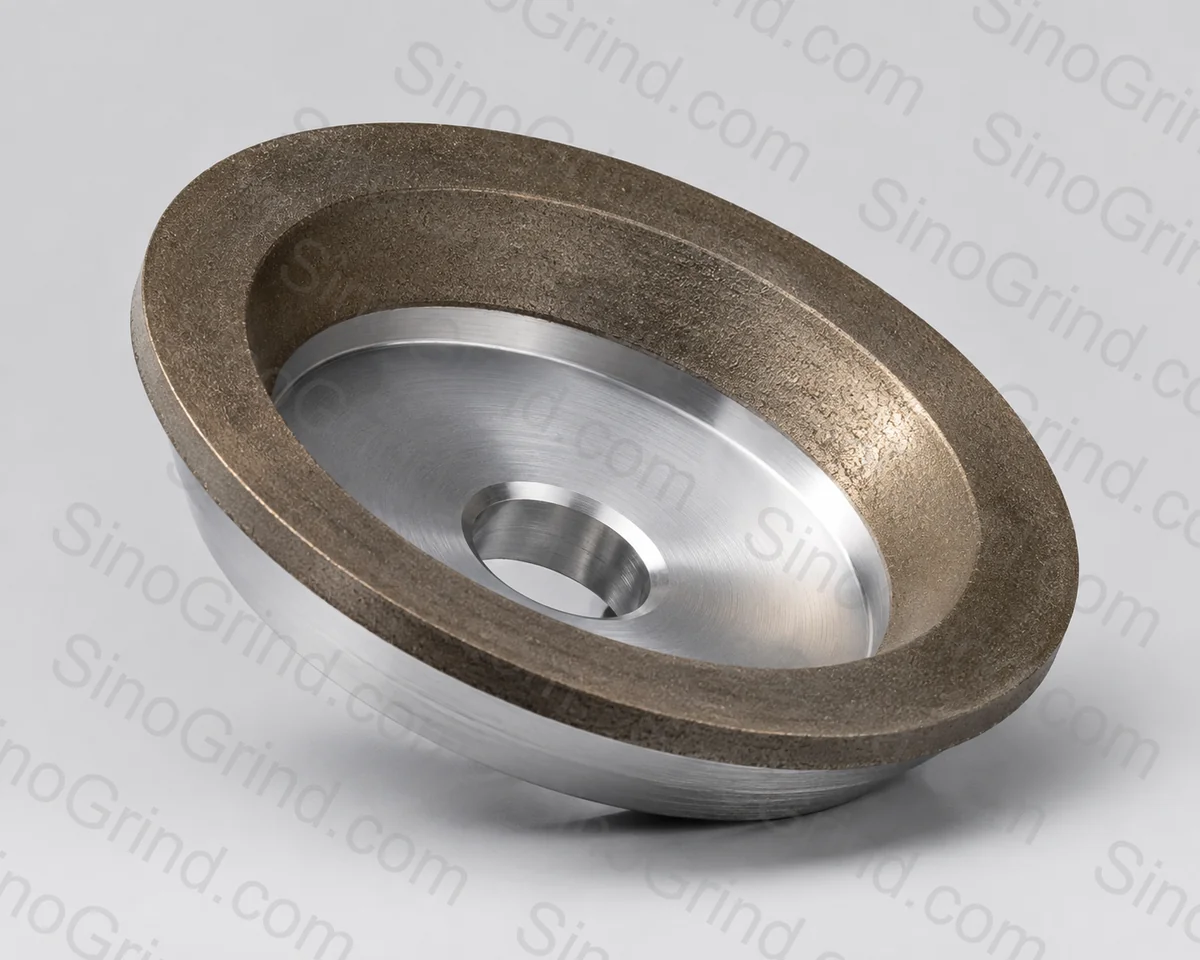
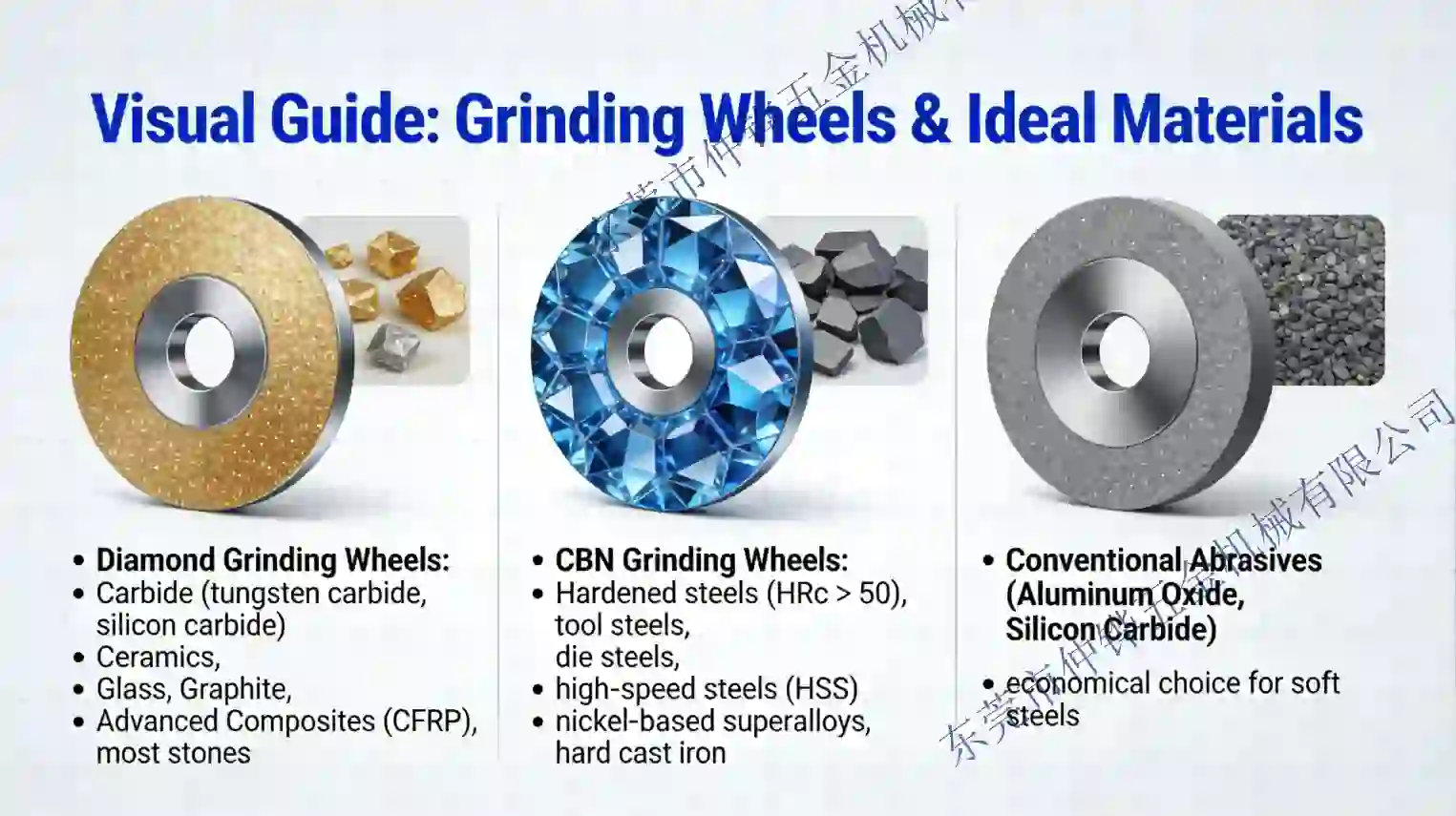
Choosing the right diamond grinding wheel starts with choosing the right bond. The bond is the matrix that holds the diamond grains in place, and it controls how the wheel wears, how much stock it removes, and how well it cools the workpiece. Two bond types dominate precision grinding: metal bond and vitrified bond.
What Is a Metal Bond Diamond Wheel?
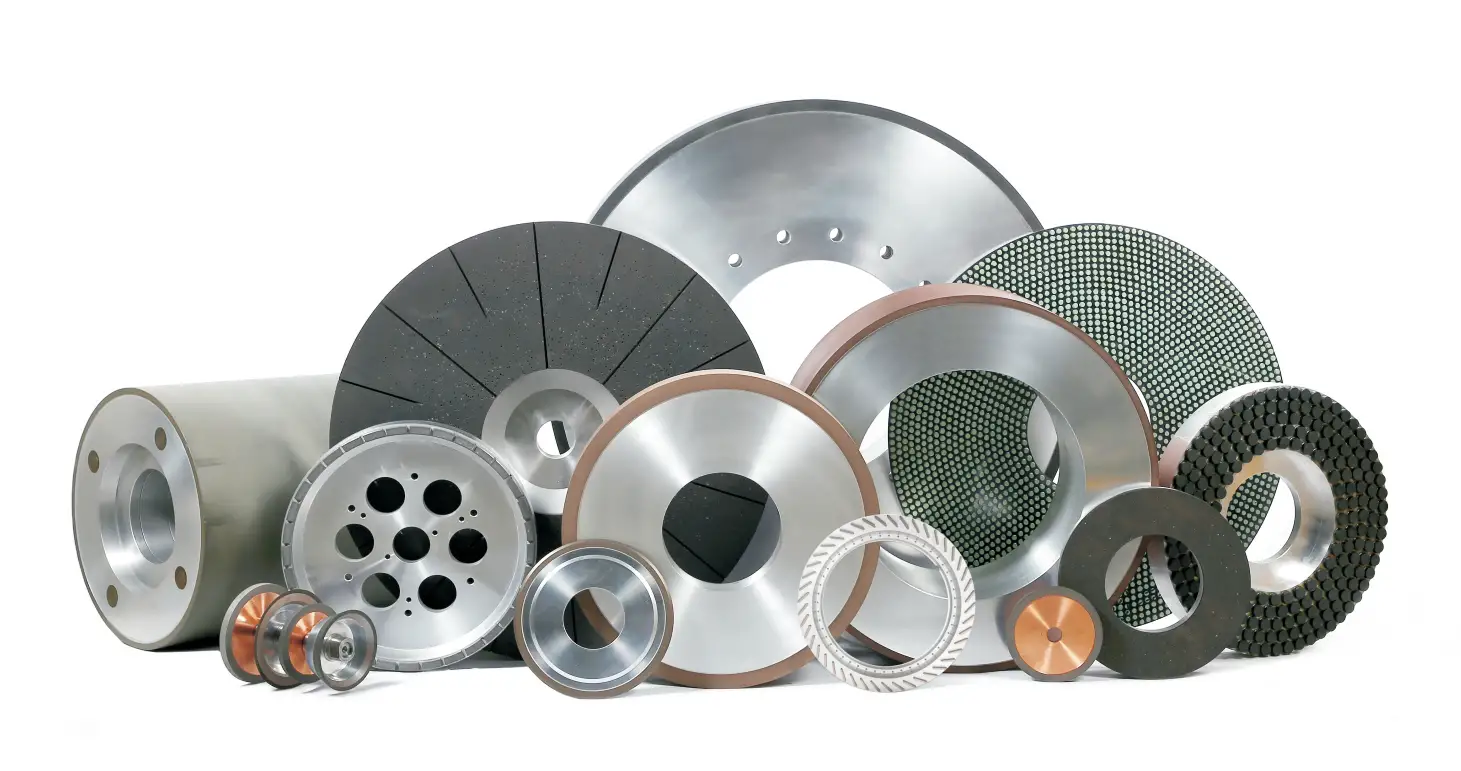
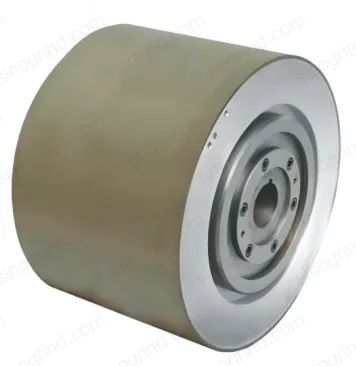
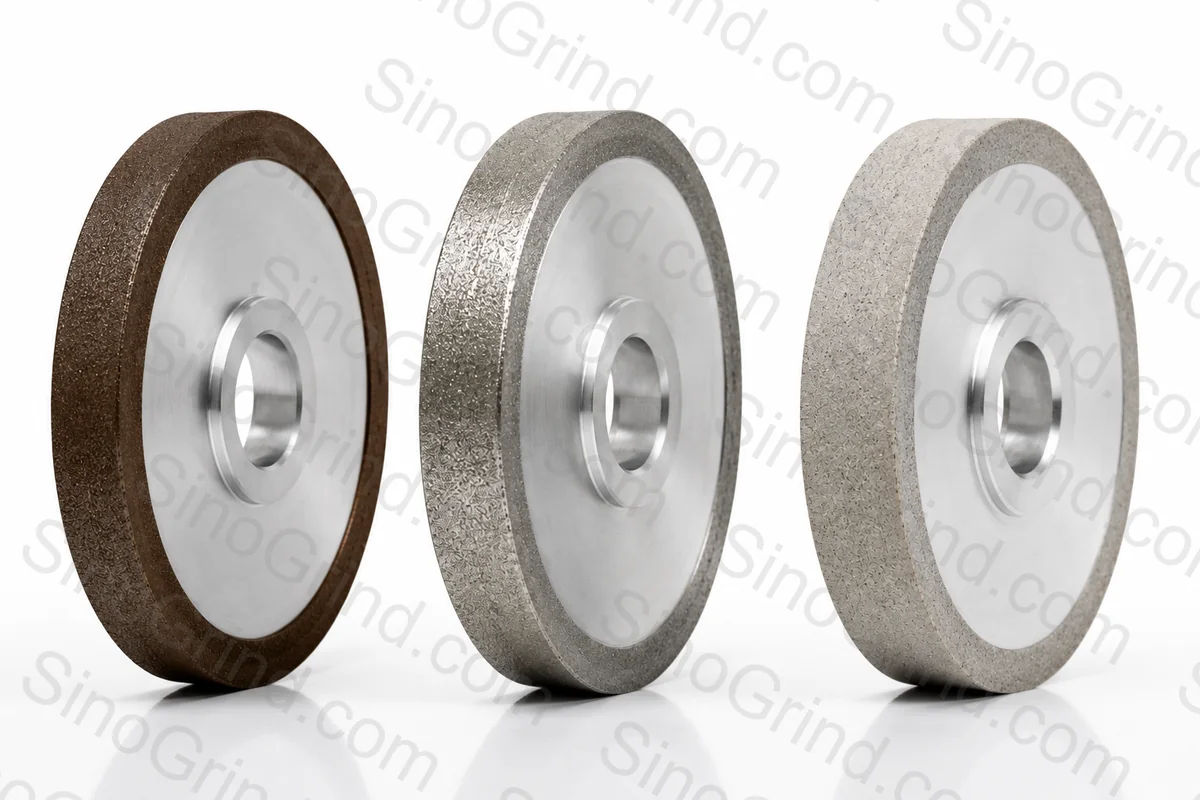
A metal bond diamond wheel holds its diamond grains in a metallic matrix, typically bronze, cobalt, or iron. This gives the wheel high strength and rigidity, allowing aggressive stock removal and long wheel life. Metal bond wheels are often manufactured on a steel substrate, such as a 6A2 body, which adds stiffness and dimensional stability under heavy grinding forces.
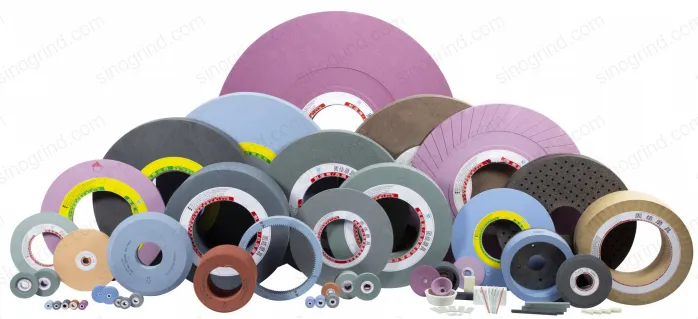
A vitrified bond diamond wheel uses a glass-like ceramic matrix that is porous and self-sharpening. As the bond wears, fresh diamond grains are exposed, keeping the cutting surface sharp. The porosity also creates chip clearance and lets coolant reach the grinding zone, which reduces heat and improves surface finish.
What Is a Vitrified Bond Diamond Wheel?
When you compare metal bond vs vitrified bond diamond wheels, the right choice depends on your material, operation, and surface finish requirement. For roughing, centerless grinding, and hard materials such as carbide and ceramics, a metal bond wheel on a steel substrate offers the best stock removal and wheel life.
For precision internal, external, and form grinding, a vitrified bond wheel on a ceramic substrate provides finer finishes and lower grinding temperatures. Its coolant-friendly, self-sharpening structure makes it ideal for heat-sensitive steels and high-tolerance finishing.
Metal Bond vs Vitrified Bond: Key Differences
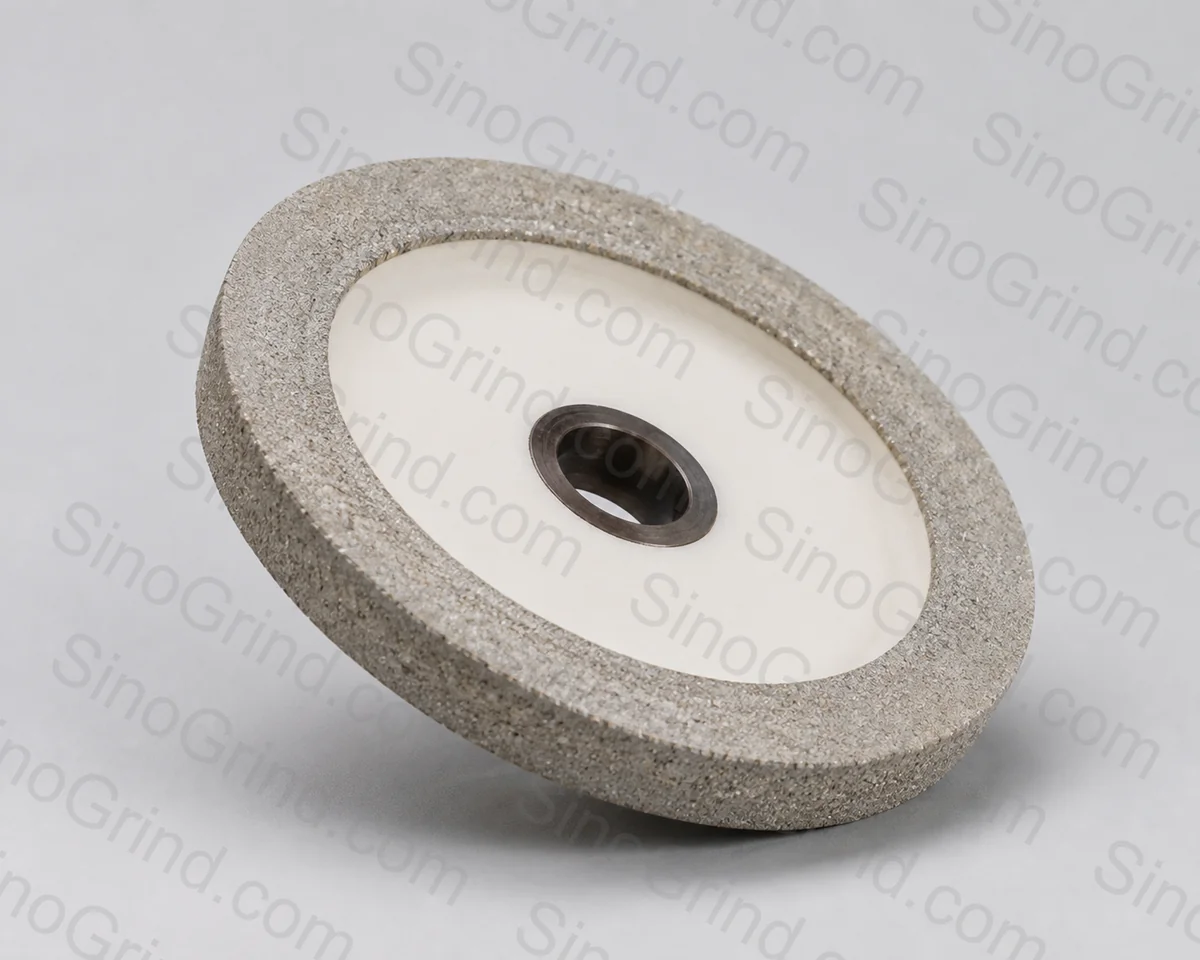
- Bond strength: Metal bond wheels hold diamond grains more firmly and resist grain pull-out under heavy loads, while vitrified bonds release worn grains for continuous sharpness.
- Substrate: Metal bond wheels often use a steel substrate, such as a 6A2 body, for rigidity, while vitrified bond wheels typically use a ceramic substrate for thermal stability.
- Coolant compatibility: Vitrified bond wheels are porous and coolant-friendly; metal bond wheels work well dry or wet but benefit from coolant in heavy grinding.
- Stock removal: Metal bond wheels deliver aggressive stock removal and long wheel life; vitrified bond wheels remove material more gently with less heat.
- Surface finish: Vitrified bond wheels produce finer, more consistent finishes; metal bond wheels provide good finish with higher removal rates.
- Self-sharpening: Vitrified bonds are naturally self-sharpening; metal bonds require dressing to re-expose the abrasive layer.
- Best for: Metal bond for carbide, ceramic, and steel roughing; vitrified bond for precision internal, external, and form grinding.
- Typical shapes: Metal bond 6A2, 1A1, 11V9, and 12A2; vitrified bond 1A1, 3A1, and cup wheels.
Which Diamond Wheel Bond Should You Choose?
In short: metal bond means strength and speed, vitrified bond means finish and cool running. Both bonds are available in a wide range of shapes, including the 6A2 steel-substrate metal bond wheel and ceramic-substrate vitrified wheels.
Dressing also matters. Metal bond wheels generally need diamond dressing to re-expose the abrasive layer, while vitrified wheels can be trued and dressed more easily on the machine. Ask our engineers about the correct dressing interval for your application.
When comparing metal vs vitrified bond diamond wheels side by side, the differences in grinding behavior become clear. Metal bond wheels maintain their shape under extreme pressure and offer the longest wheel life because the metallic matrix holds diamond grains firmly in place. This makes them the preferred choice for centerless grinding of carbide rods, rough grinding of ceramic substrates, and any operation where stock removal rate and wheel longevity are the top priorities. The trade-off is that metal bonds require dedicated diamond dressing to re-expose fresh abrasive, and they do not allow coolant to flow freely through the wheel body.
Vitrified bond diamond wheels, by contrast, excel in precision finishing where surface quality and thermal control matter most. The glass-ceramic bond matrix is naturally porous, which provides built-in chip clearance and allows flood coolant to reach the grinding zone directly. This porosity also gives vitrified bonds a self-sharpening characteristic: as grains dull, the bond releases them at a controlled rate, continuously exposing fresh cutting edges. For applications such as internal grinding of bearing bores, form grinding of complex profiles, and finish grinding of hardened tool steels, vitrified bond wheels deliver superior surface finish with lower grinding temperatures. Understanding when to use metal vs vitrified bond diamond wheels is essential for optimizing both productivity and part quality in precision grinding operations.
If you are not sure which diamond wheel bond to choose, send us your workpiece material, wheel shape, and grinding parameters. Our engineers will recommend the right metal bond or vitrified bond diamond wheel for your job.
Frequently Asked Questions
Q: What is the main difference between metal bond and vitrified bond diamond wheels?
A: Metal bond wheels use a metallic matrix (typically bronze or steel) that holds diamond grains firmly, providing maximum strength, long wheel life, and excellent shape retention under heavy loads. Vitrified bond wheels use a glass-ceramic matrix that is porous and self-sharpening, offering superior surface finish, coolant flow, and thermal control for precision grinding.
Q: Which bond type is better for heavy stock removal?
A: Metal bond diamond wheels are better for heavy stock removal. The strong metallic matrix retains diamond grains under extreme pressure, maintaining aggressive cutting action over long periods. Metal bonds are the preferred choice for centerless grinding of carbide rods, rough grinding of ceramic substrates, and any operation where maximum material removal rate and wheel longevity are required.
Q: Can metal bond wheels be dressed easily?
A: Metal bond wheels are more difficult to dress than vitrified or resin bonds. They typically require diamond dressing tools or electrical discharge dressing to re-expose fresh abrasive. Vitrified bond wheels can be trued and dressed more easily on the machine using conventional dressing methods, which is one reason they are preferred for precision applications requiring frequent form correction.
Q: Which bond gives better surface finish for precision grinding?
A: Vitrified bond diamond wheels deliver better surface finish for precision grinding. The porous ceramic matrix allows coolant to flow freely to the cutting zone, reducing heat buildup, and the self-sharpening action continuously exposes fresh, sharp cutting edges. This makes vitrified bonds ideal for internal grinding of bearing bores, form grinding of complex profiles, and finish grinding of hardened tool steels.
Q: What diamond wheel shape should I choose for my application?
A: Wheel shape depends on the grinding operation. Flat wheels (1A1 type) are used for surface and cylindrical grinding. Cup wheels (11V9, 12V9) are standard for tool and cutter grinding. 6A2 wheels with steel substrates are used for heavy-duty centerless and surface grinding. Consult your machine type and workpiece geometry to select the appropriate wheel shape.