: +86 15874211461

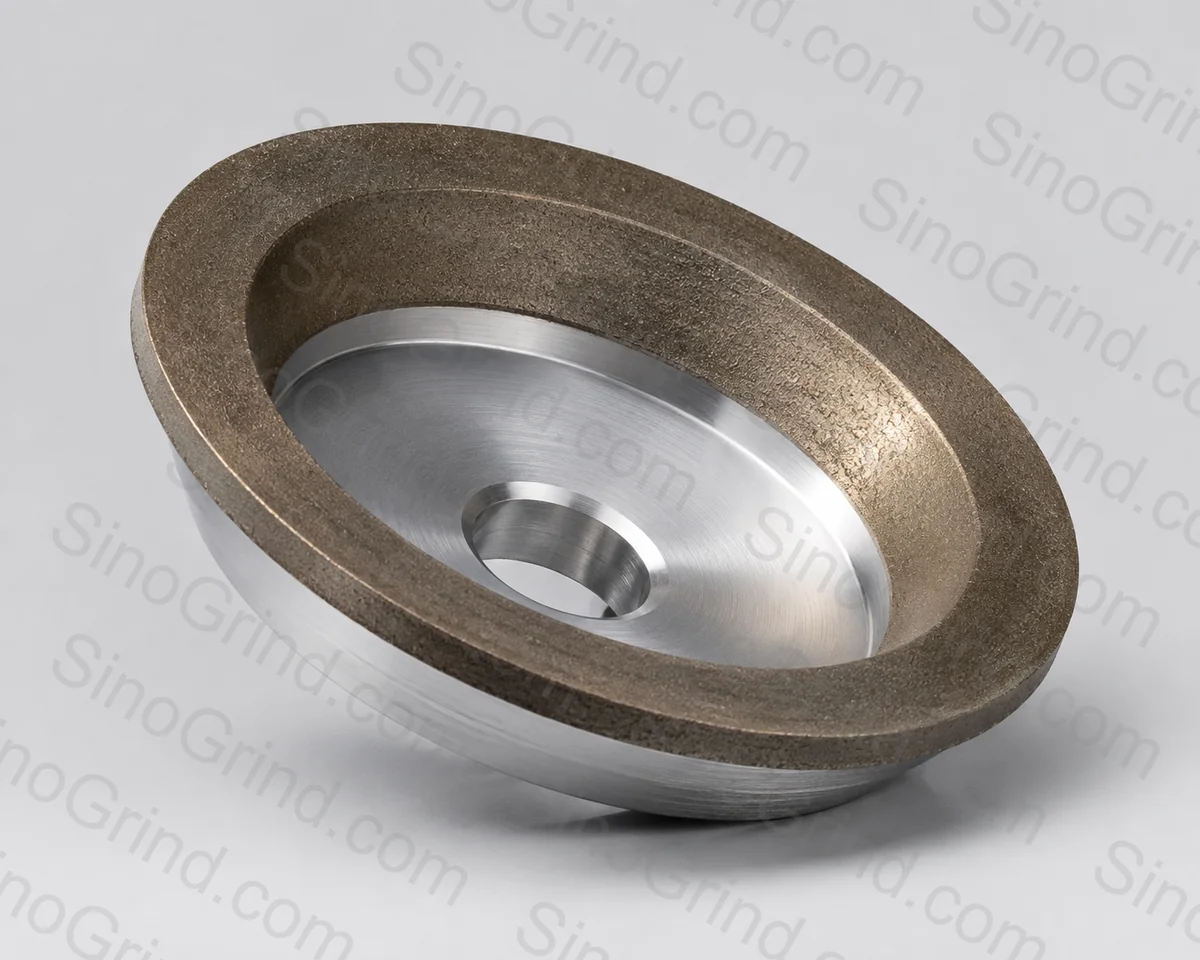
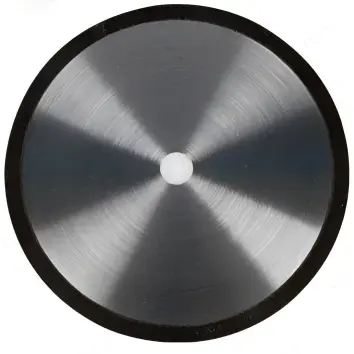
Quick answer: An electroplated diamond grinding wheel has a single layer of diamond mechanically held by electro-deposited nickel. Because the grit sits proud of a thin metal skin, it is extremely aggressive and can be made in thin, complex or miniature profiles. It is not dressable — it grinds at full size until the layer wears out.
Related reading: Metal Bond Diamond Grinding Wheel · Resin Bond Diamond Grinding Wheel · Diamond Wheel for Semiconductor Grinding.
What an electroplated diamond wheel is
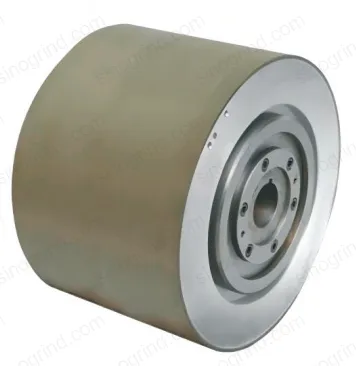
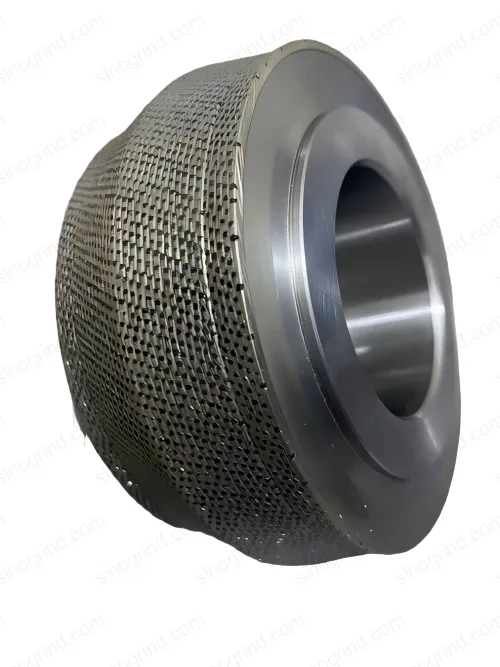
In electroplating, a steel or aluminium core is placed in a nickel bath and diamond grit is deposited and locked in a single layer of nickel. The result is a wheel whose cutting face is essentially one layer of diamond. There is no "self-sharpening" deep bond, so the wheel holds its form and size from first cut to last.
This makes electroplated wheels ideal where form accuracy and aggressiveness matter more than long life or finish: cut-off and dicing blades, glass and stone tools, wafer thinning, and thin or intricate profiles that cannot be made in a deep bonded wheel.
Why choose an electroplated wheel
- Most aggressive cut. High protrusion gives fast stock removal.
- Complex, thin profiles. Can be plated to almost any geometry, even miniature.
- Form held for life. Size and profile do not change during use.
- No dressing needed — a process advantage where dressing is impractical.
- Lower cost for one-off or thin tools than a deep bonded wheel.
Where is it typically used?
| Application | Workpiece | Grit (FEPA D) | Notes |
|---|---|---|---|
| Cut-off / dicing | Carbide, glass, ceramic | D181–D400 | Thin blades, rigid setup |
| Wafer thinning / back-grind | Silicon, SiC | D126–D400+ | Ultra-fine finish, low damage |
| Glass edge & bevel | Flat glass, quartz | D64–D181 | Prevent edge chipping |
| Stone & masonry | Granite, marble | D301–D600 | High removal, water cooled |
| Form & profile (once) | Composites, graphite | D181–D301 | Single-layer form wheel |
Electroplated wheels trade life for aggressiveness and geometry freedom.
Which operating conditions are recommended?
| Parameter | Electroplated diamond | Note |
|---|---|---|
| Wheel speed | 20–40 m/s | Follow blade/wheel rating |
| Depth of cut | Light to moderate | Load is limited by the thin layer |
| Coolant | Flood, essential | Layer overheats if run dry |
| Dressing | Not applicable | Replace when worn |
| Life | Limited single layer | Cost per part can be higher |
Because there is no bond to dress, heat and load control are critical to life.
Key limitation
An electroplated wheel cannot be dressed or re-profiled. When the diamond layer is worn or the profile is lost, the wheel is replaced — so protect it with flood coolant and correct speed.
When not to choose electroplated
- Long production runs where life dominates → metal or vitrified bond lasts far longer.
- Jobs needing periodic re-truing or profile correction → bonded wheels can be dressed.
- Dry grinding or limited coolant → the single layer will overheat and strip.
- Fine, damage-sensitive finishes → bonded fine-grit wheels give better surface integrity.
Sub-table 3 — by bond system
| Bond | Grit hold | Best for | Finishing quality | Dressing | Typical use |
|---|---|---|---|---|---|
| Resin | Medium | Cool cutting, fine finish, carbide tools | Excellent | Easy | Tool & cutter, surface, ID |
| Metal | Very high | Heavy removal, long life, form retention | Good–very good | Hard (needs diamond dressing) | Centerless, form, PCD edge prep |
| Vitrified | Medium–high | Cool grinding, high MRR, precision | Very good–excellent | Easy (on-machine) | Surface, form, production |
| Electroplated | Single layer (mechanical) | Aggressive removal, thin/complex profiles | Moderate | Not dressable | Cut-off, wafer, form (once) |
| Hybrid (resin-metal) | High | Balanced life + finish | Very good | Medium | PCD, precision tools |
One layer, no dressing, precise form
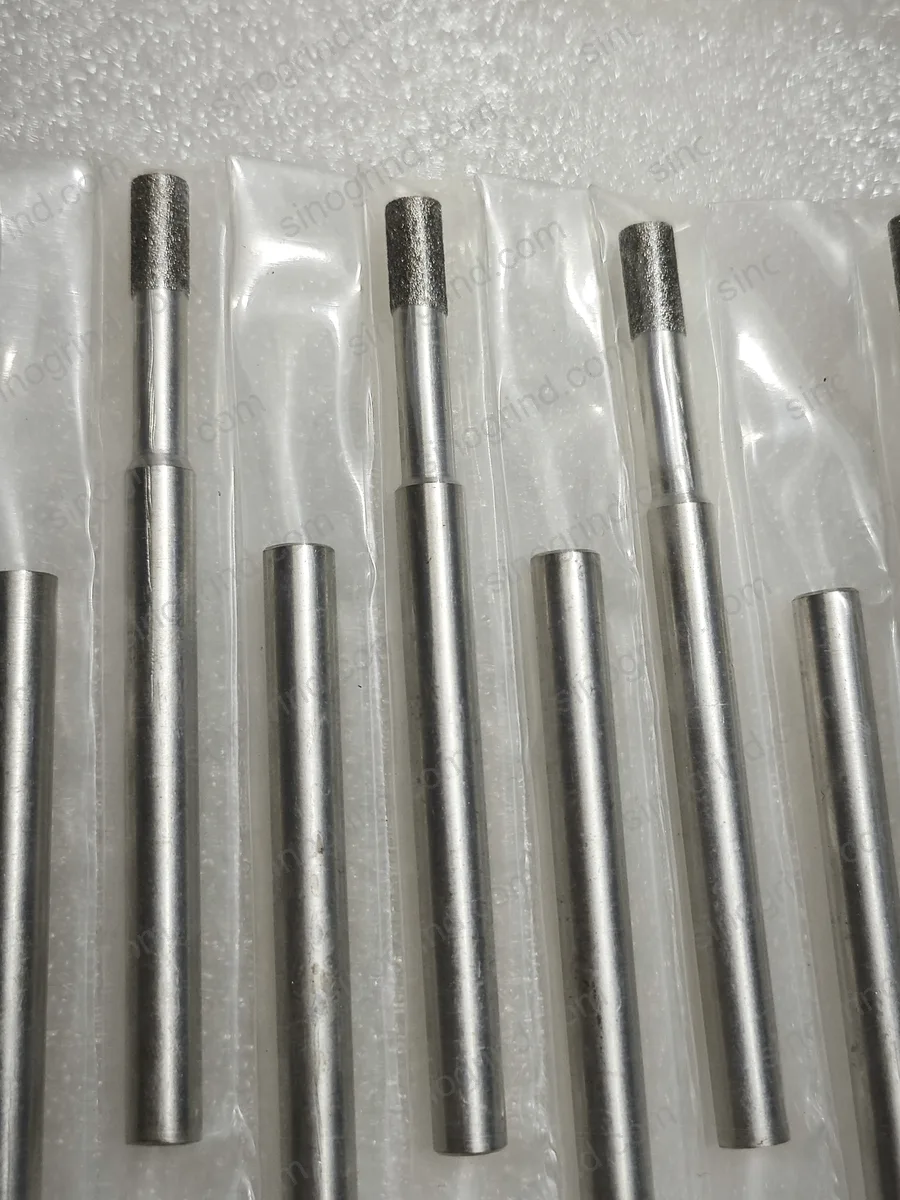
An electroplated wheel carries a single layer of diamond held by nickel, plated directly onto a steel or aluminium body. Because the layer is thin, the form is generated by the body, not by wear, so the wheel can hold a sharp radius, a narrow slot or a complex profile that would be impossible in a bonded wheel.
The life of the tool is the life of that single layer. Once the nickel wears back past the diamond, the tool is finished — there is no dressing back to fresh abrasive. That makes electroplated wheels ideal for low-volume complex profiles, prototypes and jobs where form accuracy matters more than wheel life, and a poor choice for heavy continuous stock removal.
How do I set up the job?
- Inspect the layer. Look for missing diamond, plated edges and damage at the radius. A plated tool cannot be repaired, only replaced.
- Check the body. Indicate the shank or bore. Run-out is the main cause of early diamond loss, because one side does all the work.
- Mount without dressing. Never true or dress an electroplated tool; both remove the single layer you paid for.
- Set conservative parameters. Light infeeds (0.002–0.02 mm), moderate speed, and a steady feed so the layer is not shocked.
- Cool and clear chips. Flood or mist coolant directed at the contact; recirculating swarf grinds the nickel away.
- Retire on form, not on spark. Change the tool when the profile or finish drifts, before the substrate starts rubbing.
How do I fix common problems?
| Symptom | Most likely cause | What to change |
|---|---|---|
| Diamond disappears from one side first | Run-out or a tilted mount | Re-indicate, shim or replace the holder, reduce side load |
| Finish gets rough early in life | Nickel wear exposing the body | Replace the tool; check that infeed and speed suit a single layer |
| Burn on the part | Too much energy for a thin layer, coolant starved | Reduce speed and depth, improve coolant aim |
| Profile size wrong from the first part | Wrong body geometry or plating thickness | Verify the drawing and plating spec with the supplier |
| Tool clogs in a slot | Chip evacuation failure, not diamond wear | Increase coolant flow, peck or reduce feed per revolution |
Electroplated tools die from mechanical damage far more often than from steady wear.
What should an RFQ include?
- Body: material, shank or bore, and the exact profile with tolerances.
- Diamond: grit size and whether a single or double layer is needed.
- Plating: nickel thickness and the diamond exposure you expect.
- Use: operation, depth per pass, coolant and the machine's maximum speed.
- Life target: parts per tool, so the supplier can size the layer.
- Repeatability: whether the tool must be re-orderable to the same profile.
Browse the matching Diamond & CBN Grinding Wheels range for this application.
Electroplated tools look cheap per piece, and they are, but the cost per part depends entirely on how many parts one layer survives. A tool that fails at 50 parts because of run-out costs five times more per part than the same tool running 250 parts on a true spindle. Fix the run-out before buying a more expensive wheel.
Boundary rule — when not to use diamond
Diamond is the hardest abrasive and the correct choice for hard, brittle, non-ferrous materials such as cemented carbide, ceramics, glass, silicon, sapphire, ferrite, graphite and composites. It must not be used on ferrous metals — steel, cast iron, and their alloys — because carbon in diamond reacts with iron at grinding temperatures (roughly above 700 °C / 1300 °F). This chemical affinity causes rapid, abnormal diamond wear (graphitisation) and destroys the wheel. For steel, hardened steel, cast iron and other ferrous workpieces, use CBN (cubic boron nitride) instead.