: +86 15874211461

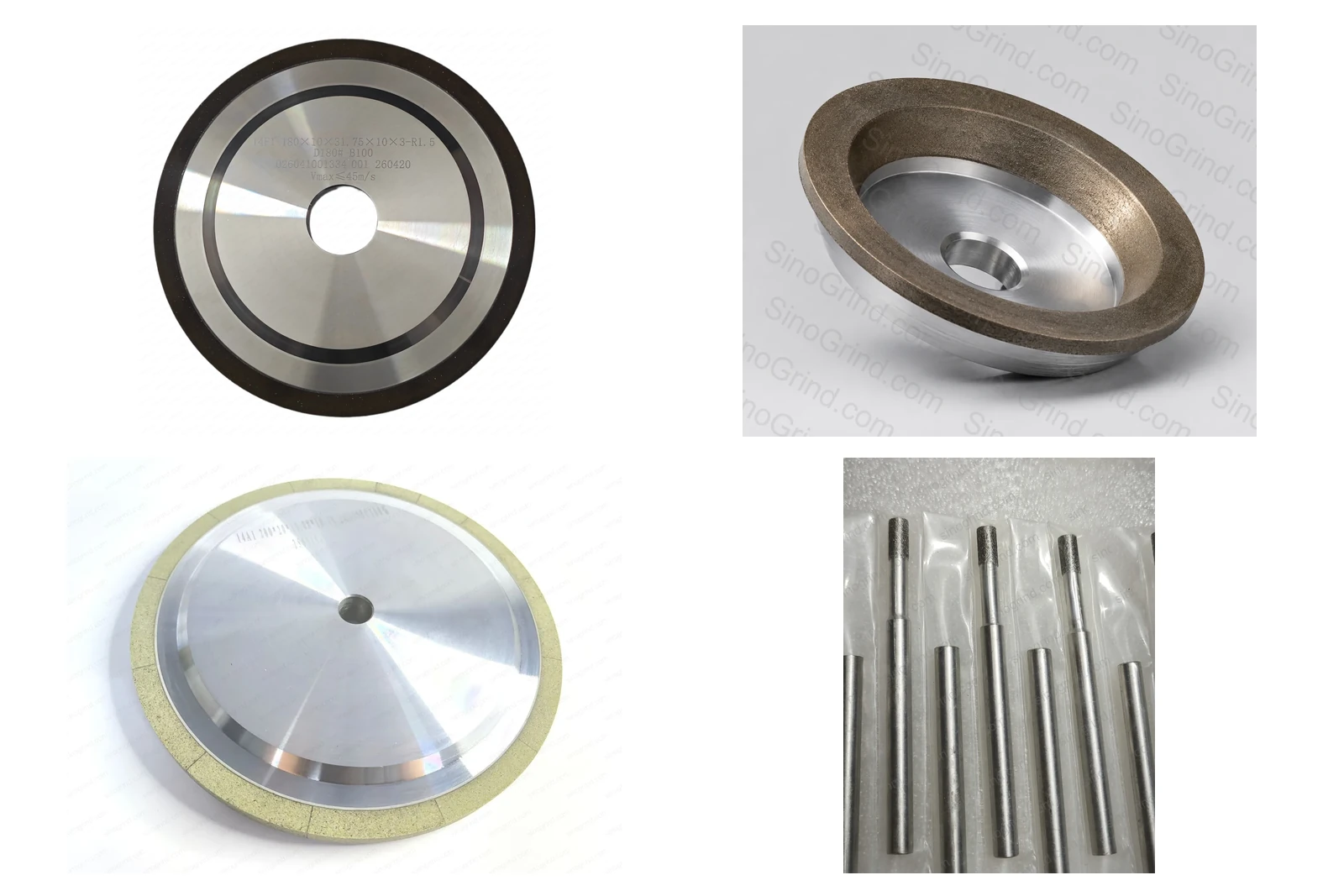
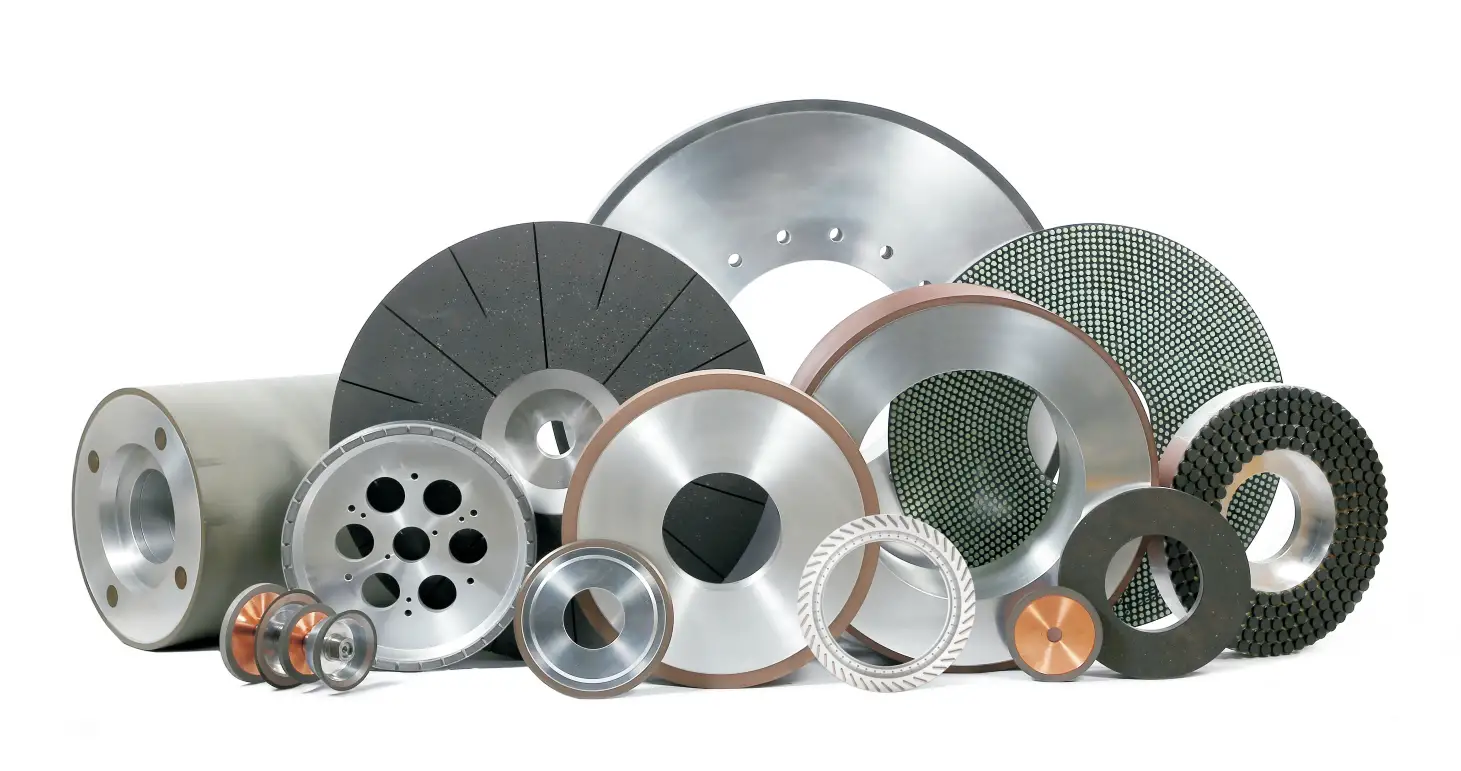
Quick answer: The bond holds the diamond. Resin gives the coolest cut and finest finish; metal gives the longest life and best form retention; vitrified is rigid, porous and free-cutting with good profile control; electroplated is a single abrasive layer for small, complex or high-speed tools. Choose resin for finish, metal for form and life, vitrified for free cutting and electroplated for geometry-limited tools.
Resin bond
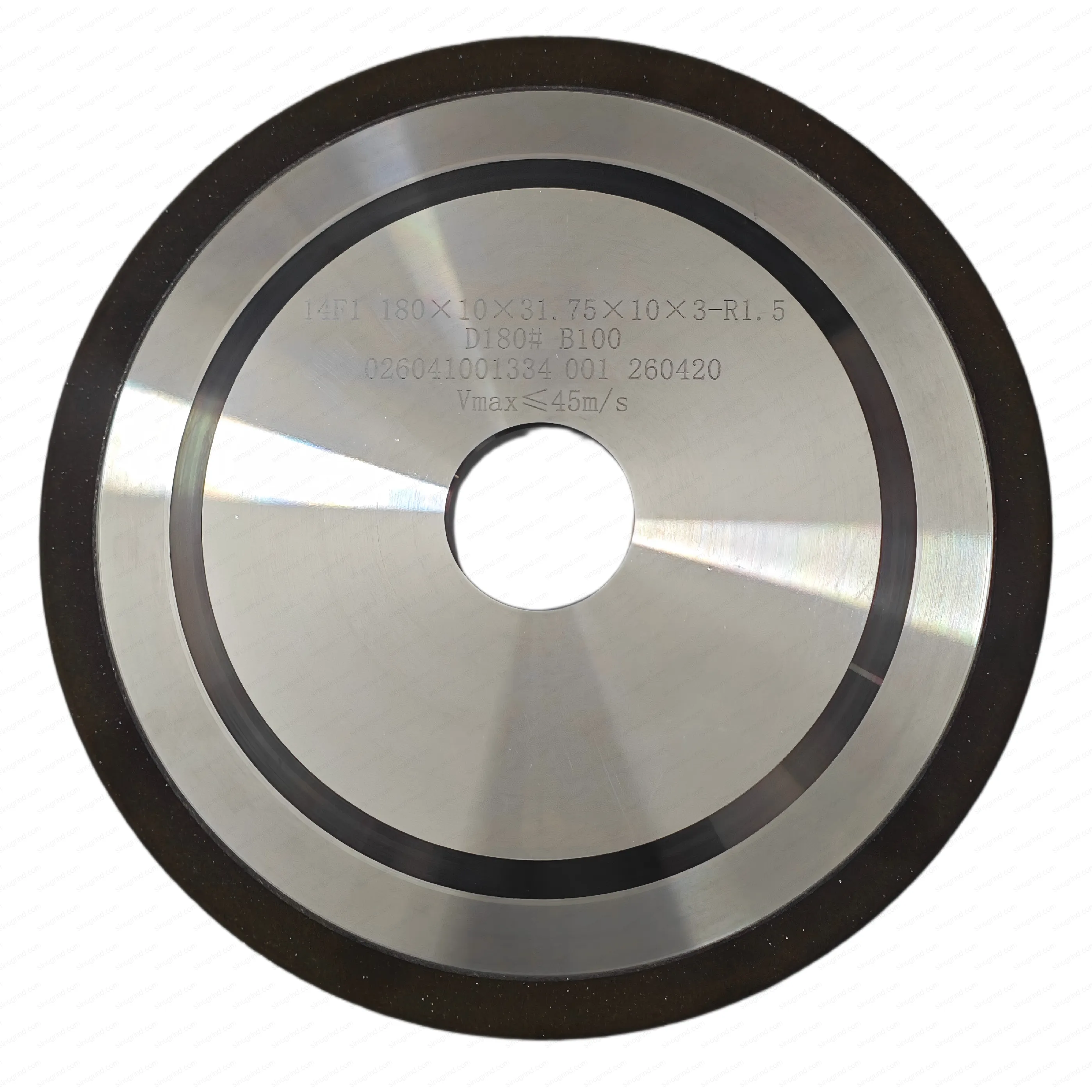
A phenolic resin matrix holds the diamond. Resin bond is the tool-room default for carbide because it cuts cool, produces a fine finish and can be dressed easily. It is less rigid than metal or vitrified bond, so it is less suited to heavy form grinding or very high precision on large wheels.
Best for: carbide tool grinding, PCD edge preparation, fine finishing, small wheels and complex profiles. Avoid: heavy stock removal, high temperature and applications where wheel form must survive long production runs.
Metal bond
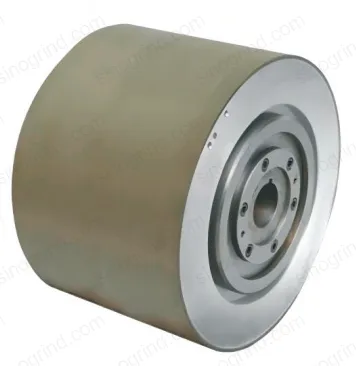
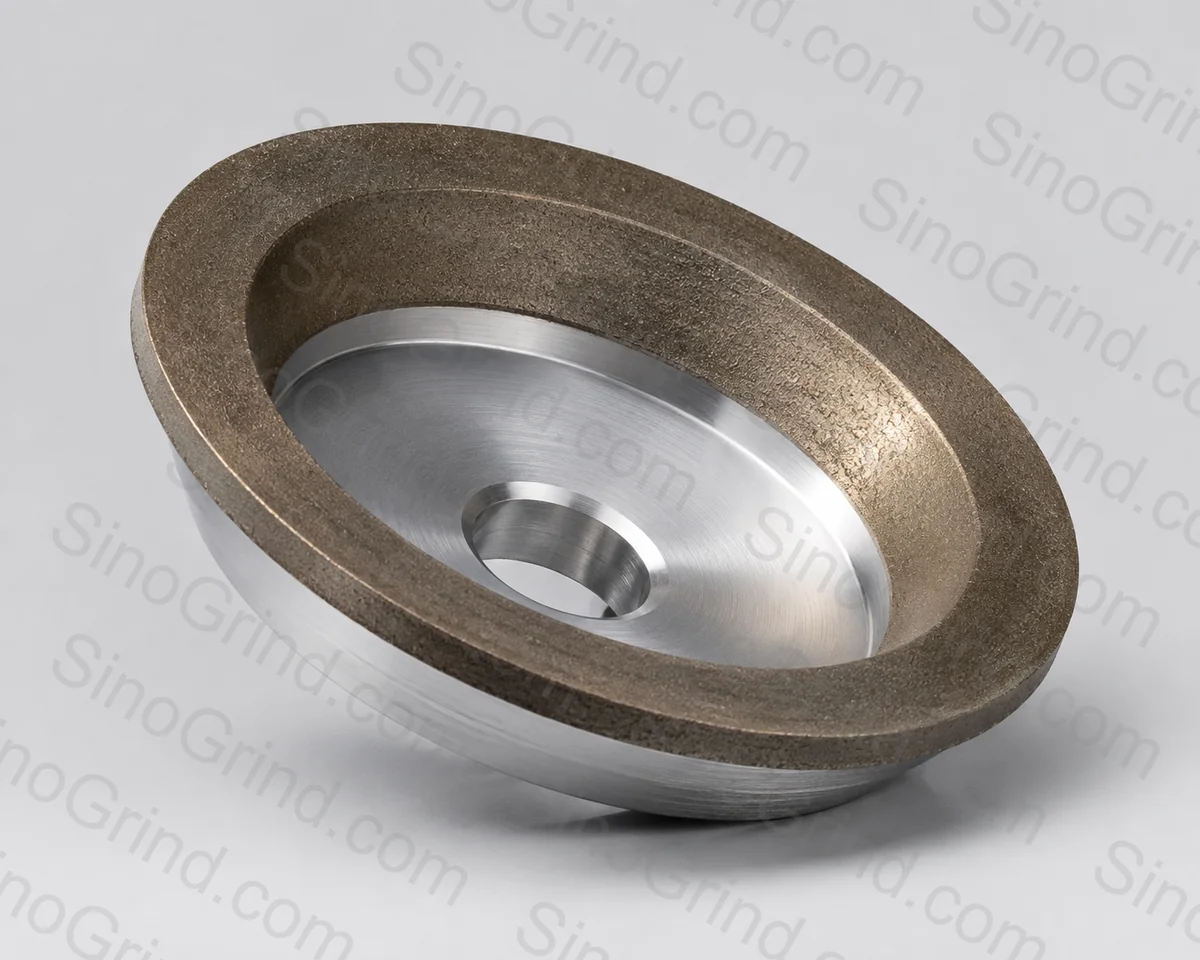
Diamond is sintered into a metal matrix, usually bronze or a similar alloy. Metal bond grips the grit strongly, so it holds form and delivers long life. It is the choice for glass, ceramics, semiconductor, stone and precision form grinding. The trade-off is that it is harder to dress and can burn heat-sensitive workpieces if the coolant is poor.
Best for: glass and ceramics, wafer processing, stone, form grinding, high-volume production. Avoid: heat-sensitive steels and applications where frequent re-profiling is needed.
Vitrified bond
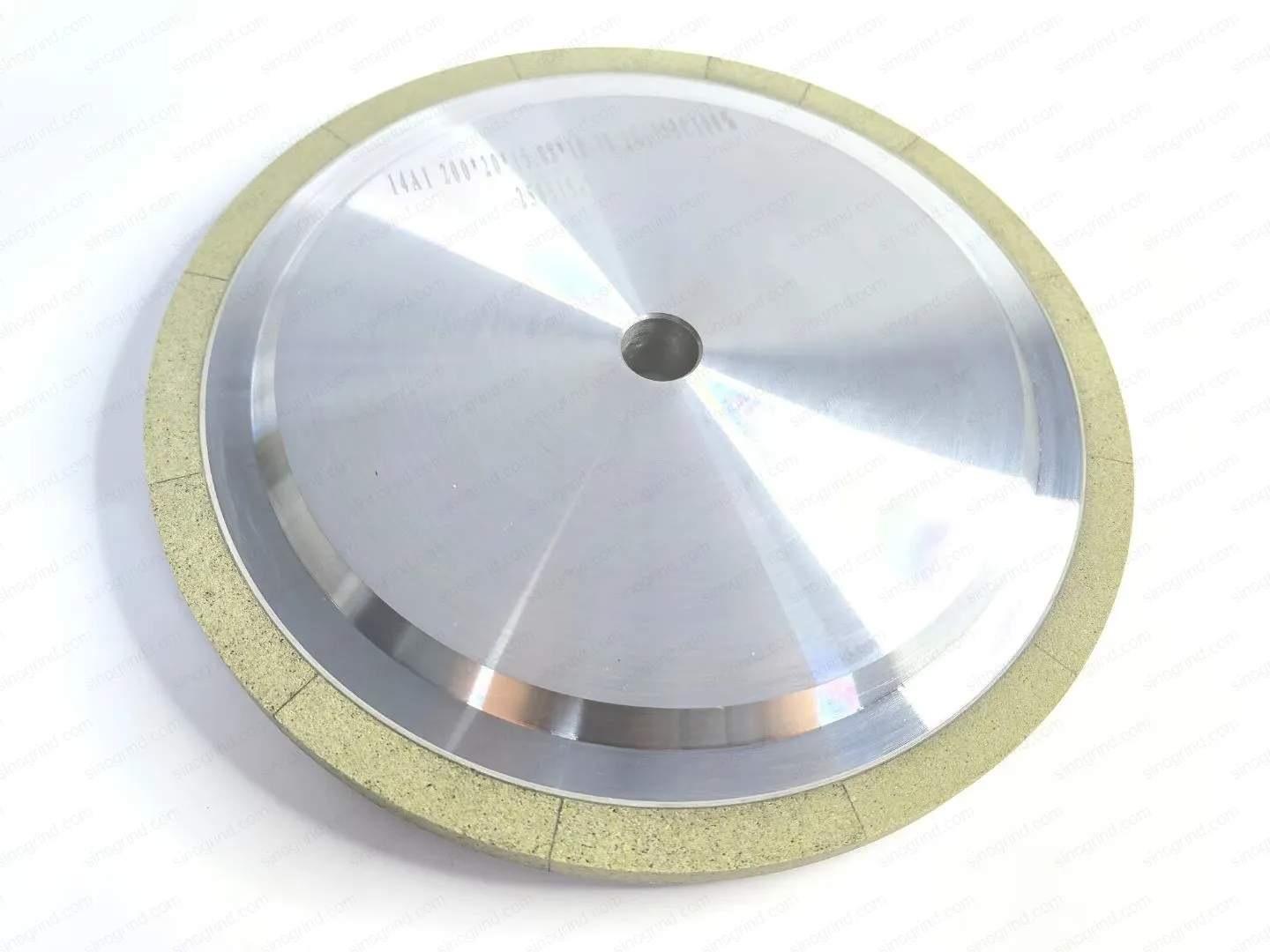
A glass/ceramic bond is fired around the diamond. The porous structure gives a cool, free cut and allows the wheel to be re-profiled on the machine. Vitrified diamond wheels are widely used for ceramics, PCD/PCBN and precision carbide work where both finish and form matter.
Best for: ceramics, PCD/PCBN, precision carbide, creep-feed and profile grinding. Avoid: abusive shocks and poorly supported setups; the bond is brittle.
Electroplated bond
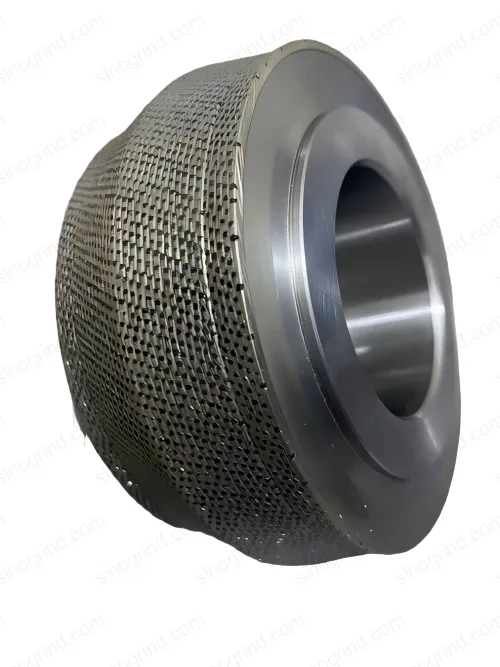
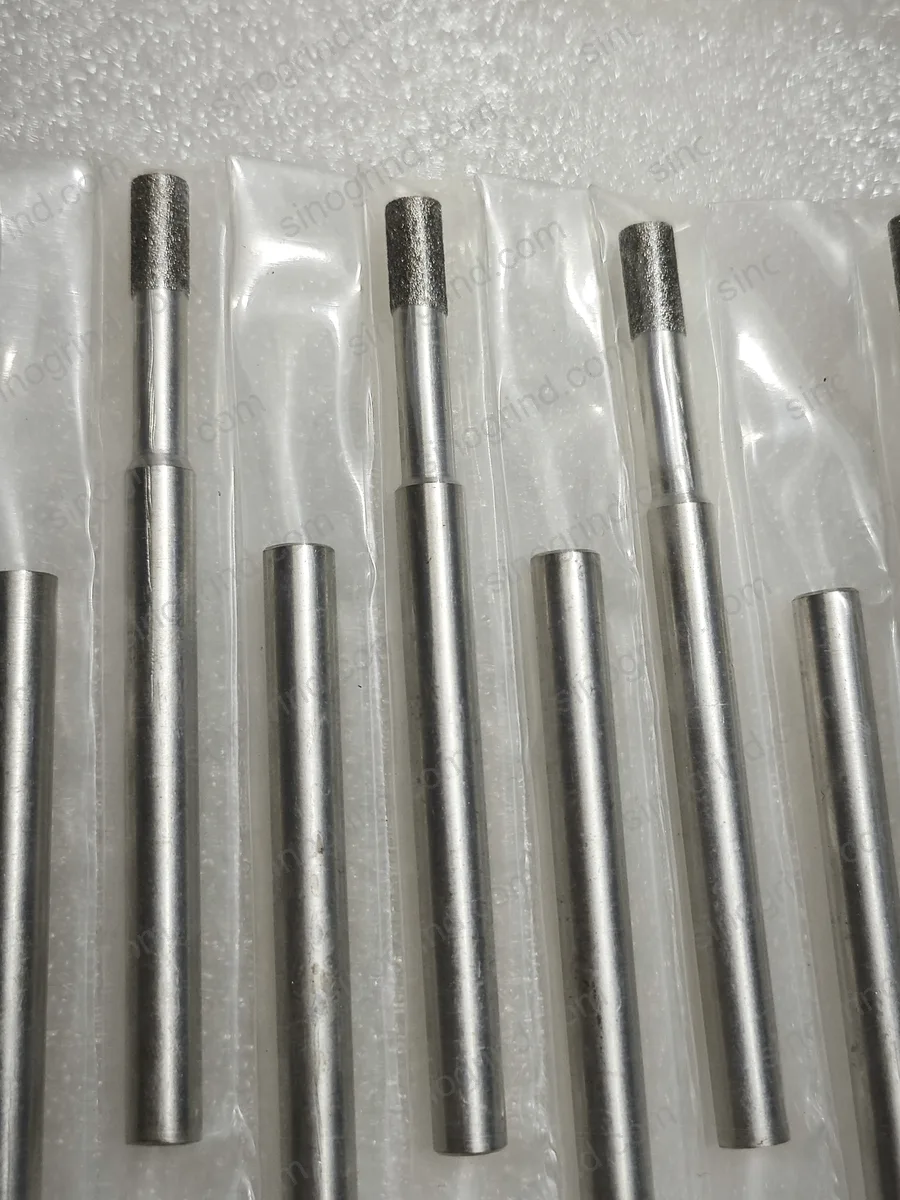
A single layer of diamond is held in electro-deposited nickel on a steel core. Electroplated wheels cut aggressively, need no dressing and can be made in very thin or complex shapes. Because there is only one layer, wheel life is finite and the wheel is replaced rather than re-profiled.
Best for: small tools, internal grinding, dental and medical tools, composites, complex profiles and low-force finishing. Avoid: heavy stock removal and high-load form grinding.
| Bond | Grit hold | Typical finish | Form retention | Dressing | Best applications |
|---|---|---|---|---|---|
| Resin | Medium | Fine | Medium | Easy | Carbide tools, PCD, fine finishing |
| Metal | Very high | Medium–fine | Excellent | Difficult (diamond/ELID) | Glass, ceramics, semiconductor, stone, form grinding |
| Vitrified | High | Fine | Very good | On-machine profile dressing | Ceramics, PCD/PCBN, precision carbide |
| Electroplated | Single layer | Medium | Profile fixed by plated form | Not dressable | Small tools, internal work, composites, complex profiles |
| Hybrid / sintered | High | Medium–fine | Very good | Application-specific | Tough applications between resin and metal |
Finish and life also depend on grit, concentration, wheel speed, coolant and machine stiffness.
Selection by application
| Application | First choice | Why |
|---|---|---|
| Carbide end mills and drills | Resin bond diamond | Cool cut, fine edge, easy to dress |
| PCD and PCBN inserts | Resin or vitrified diamond | Edge quality and controlled stock removal |
| Technical ceramics | Metal or vitrified diamond | Form retention and brittle-material edge quality |
| Glass and optics | Metal bond diamond | Long life and stable profile |
| Semiconductor wafers | Metal bond diamond | Fine, stable cut with controlled subsurface damage |
| Stone and concrete | Metal bond diamond segments | Abrasion resistance and impact toughness |
| Dental zirconia and small tools | Electroplated diamond | Small complex shapes with aggressive cut |
| Composites and CFRP | Electroplated or metal bond | Clean shearing and edge quality |
Dressing and conditioning
Resin and vitrified bonds can be dressed with diamond tools; metal bond usually needs a diamond dresser, electrolytic in-process dressing (ELID) or a specialist conditioning method; electroplated wheels are not dressed. The dressing guide covers the practical sequence.
Cost versus cost per part
Electroplated wheels often have the lowest purchase price for small tools, but they are replaced when worn. Metal and vitrified wheels cost more up front and can deliver a lower cost per part over a production run because they hold form and last longer. Use the G-ratio and cost guide to compare properly.
Match the bond to the machine
A long-life metal-bond wheel on a low-rigidity machine will not deliver its potential. Stiffness, spindle runout and coolant quality are part of the bond decision.
Boundary rule — when not to use diamond
Diamond is the hardest abrasive and the correct choice for hard, brittle, non-ferrous materials such as cemented carbide, ceramics, glass, silicon, sapphire, ferrite, graphite and composites. It must not be used on ferrous metals — steel, cast iron, and their alloys — because carbon in diamond reacts with iron at grinding temperatures (roughly above 700 °C / 1300 °F). This chemical affinity causes rapid, abnormal diamond wear (graphitisation) and destroys the wheel. For steel, hardened steel, cast iron and other ferrous workpieces, use CBN (cubic boron nitride) instead.