: +86 15874211461

Quick answer: For aluminium, start with a coarse, open-structured silicon carbide wheel and flood coolant or a lubricant. Aluminium is soft and ductile, so the wheel tends to load rather than wear. Aluminium oxide can work with good lubrication; diamond is used for high-silicon aluminium and metal-matrix composites where abrasive wear is severe.
Why aluminium behaves differently
Aluminium has low hardness, high ductility and a relatively low melting point. Instead of forming clean chips, the material can smear and weld into the wheel face. Once the wheel loads, it stops cutting, generates heat and produces a rough or smeared surface. The problem is usually the wheel structure and lubrication, not the abrasive alone.
Wheel selection
| Wheel | Best for | Grit / structure | Notes |
|---|---|---|---|
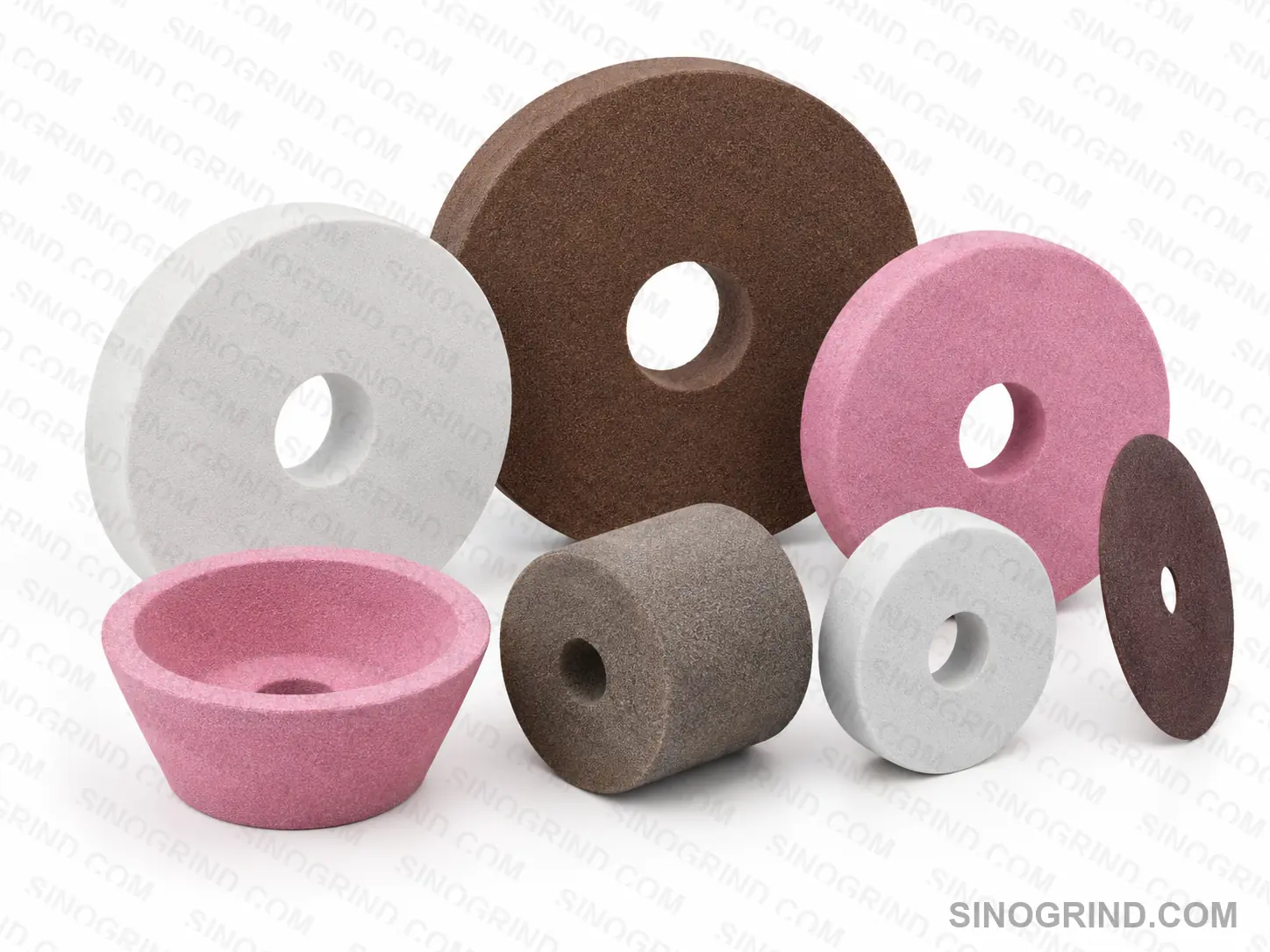
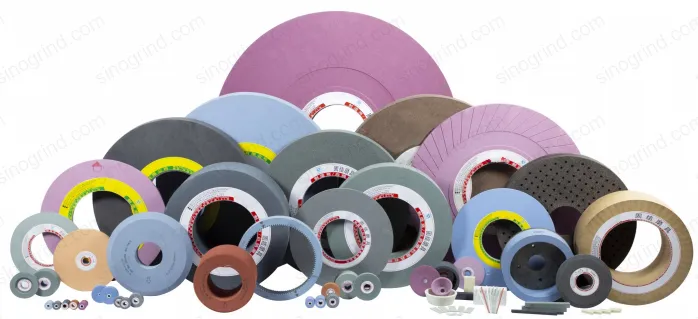
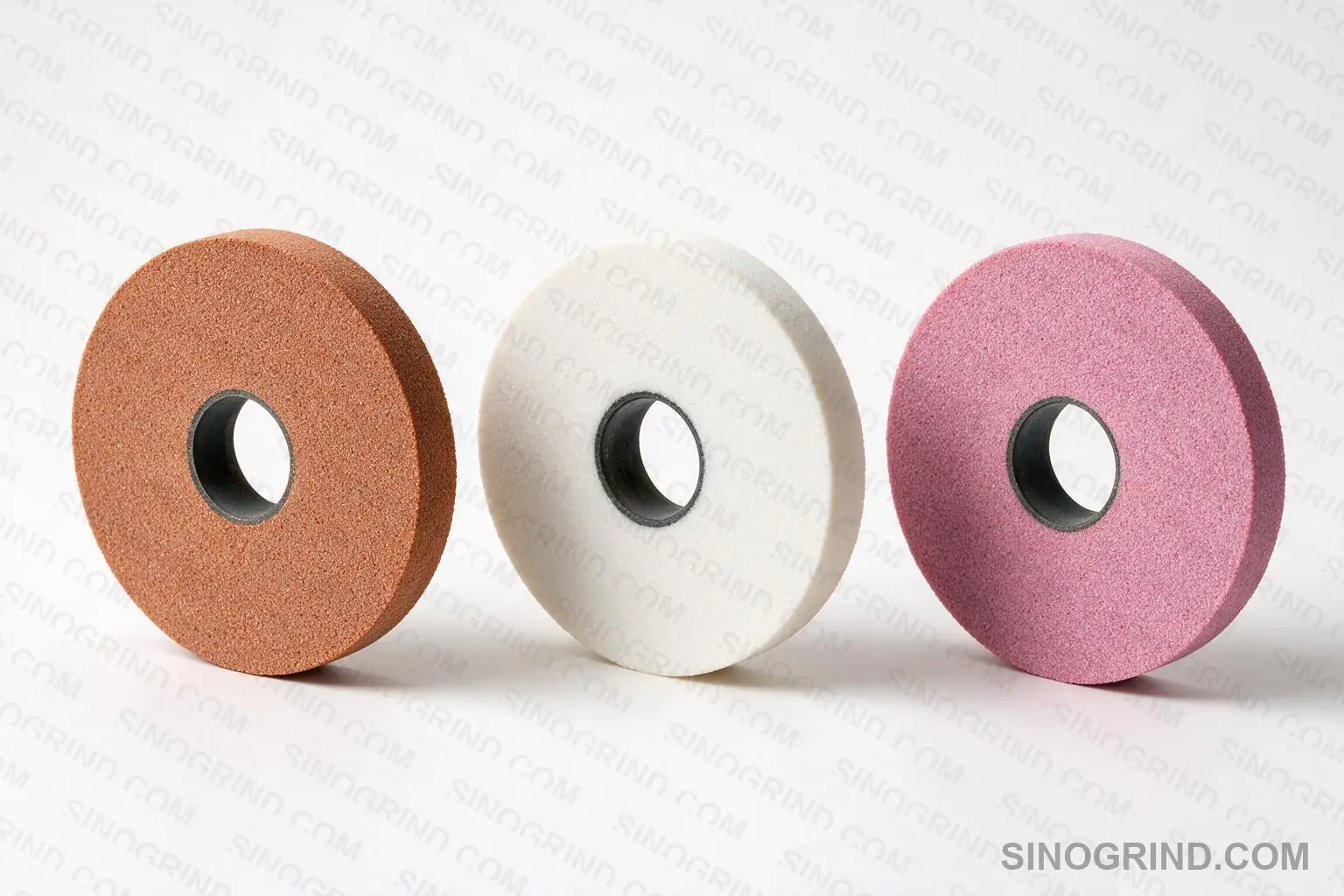
| Silicon carbide (black/green) | Most aluminium alloys, cast and wrought | Coarse (24–60), open structure | Sharp, brittle grain; good first choice |
| Aluminium oxide | General aluminium with good lubrication | Coarse, open | Tough grain; can load without lubricant |
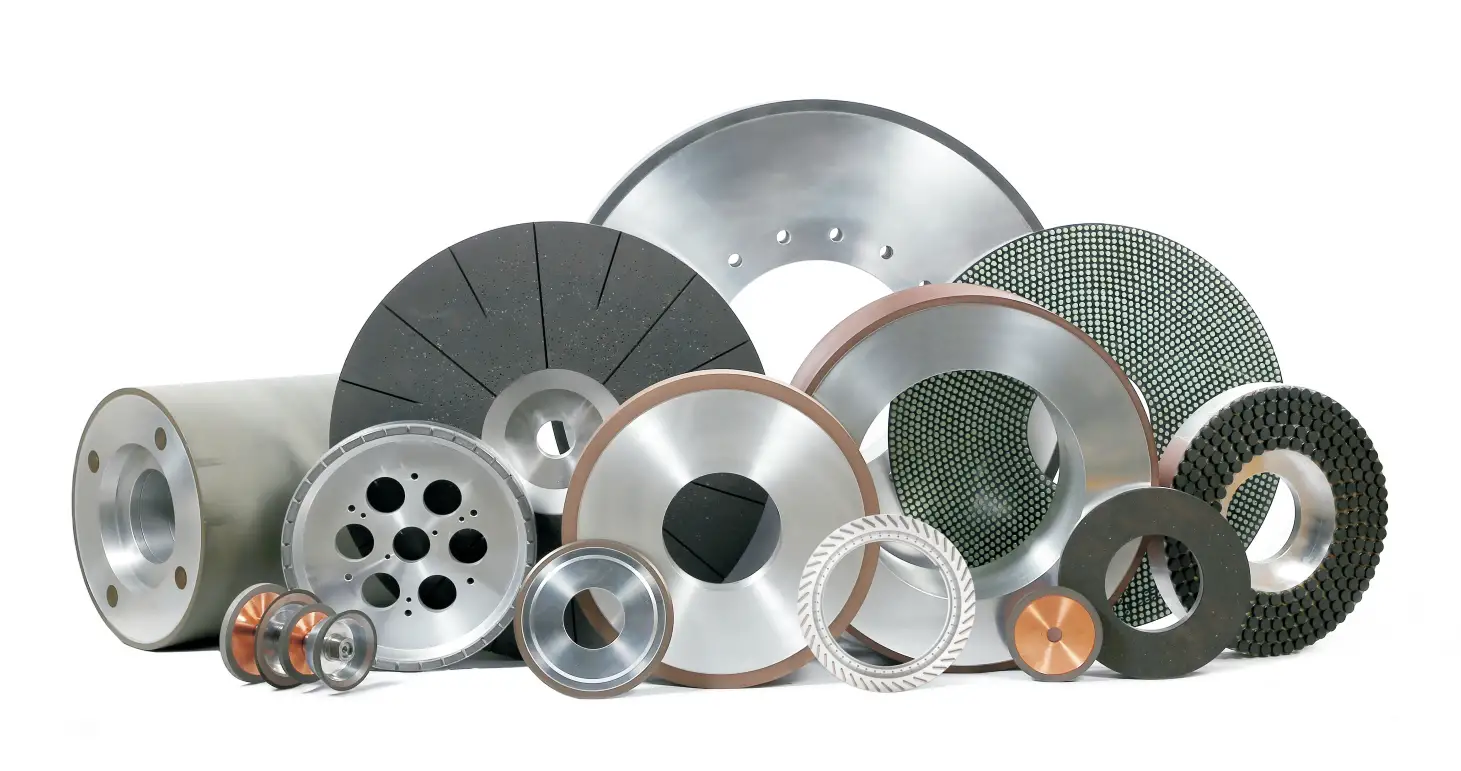
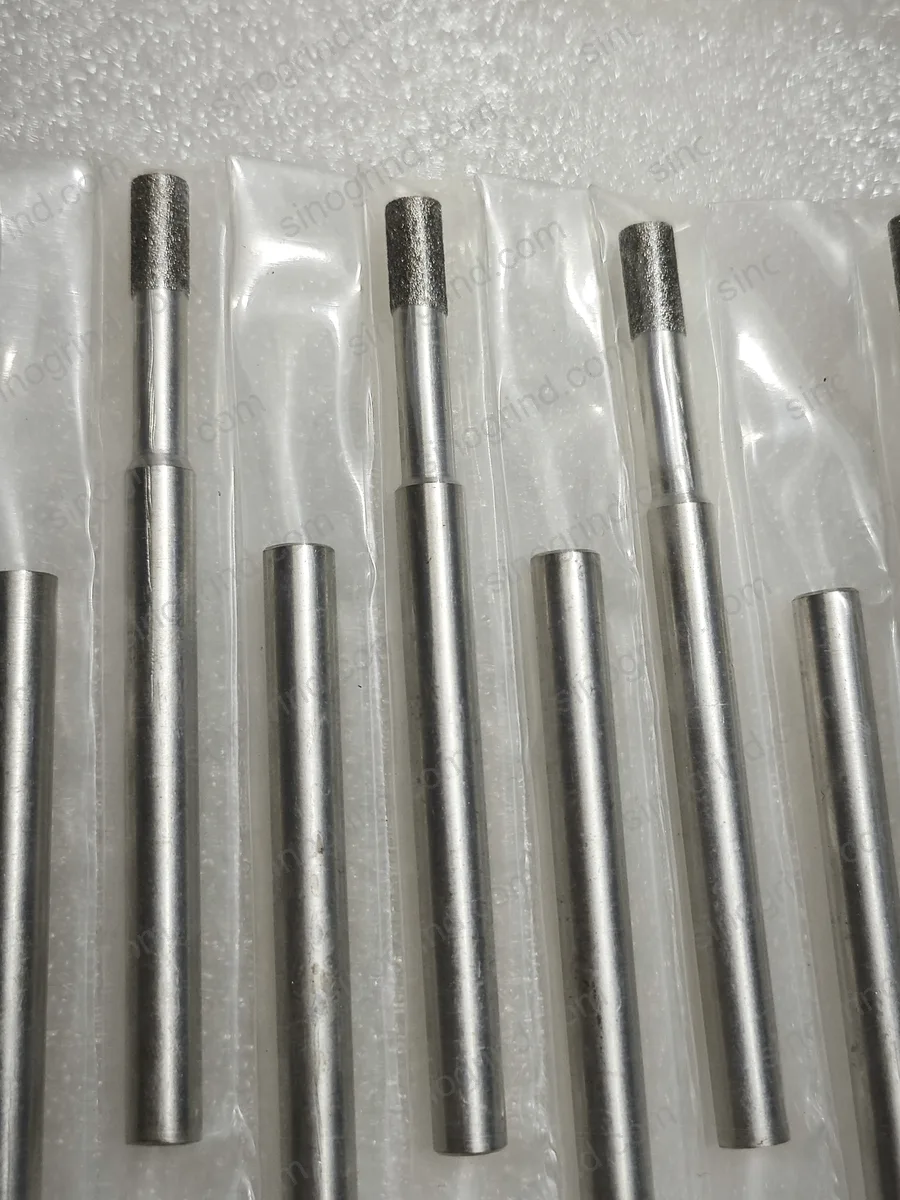
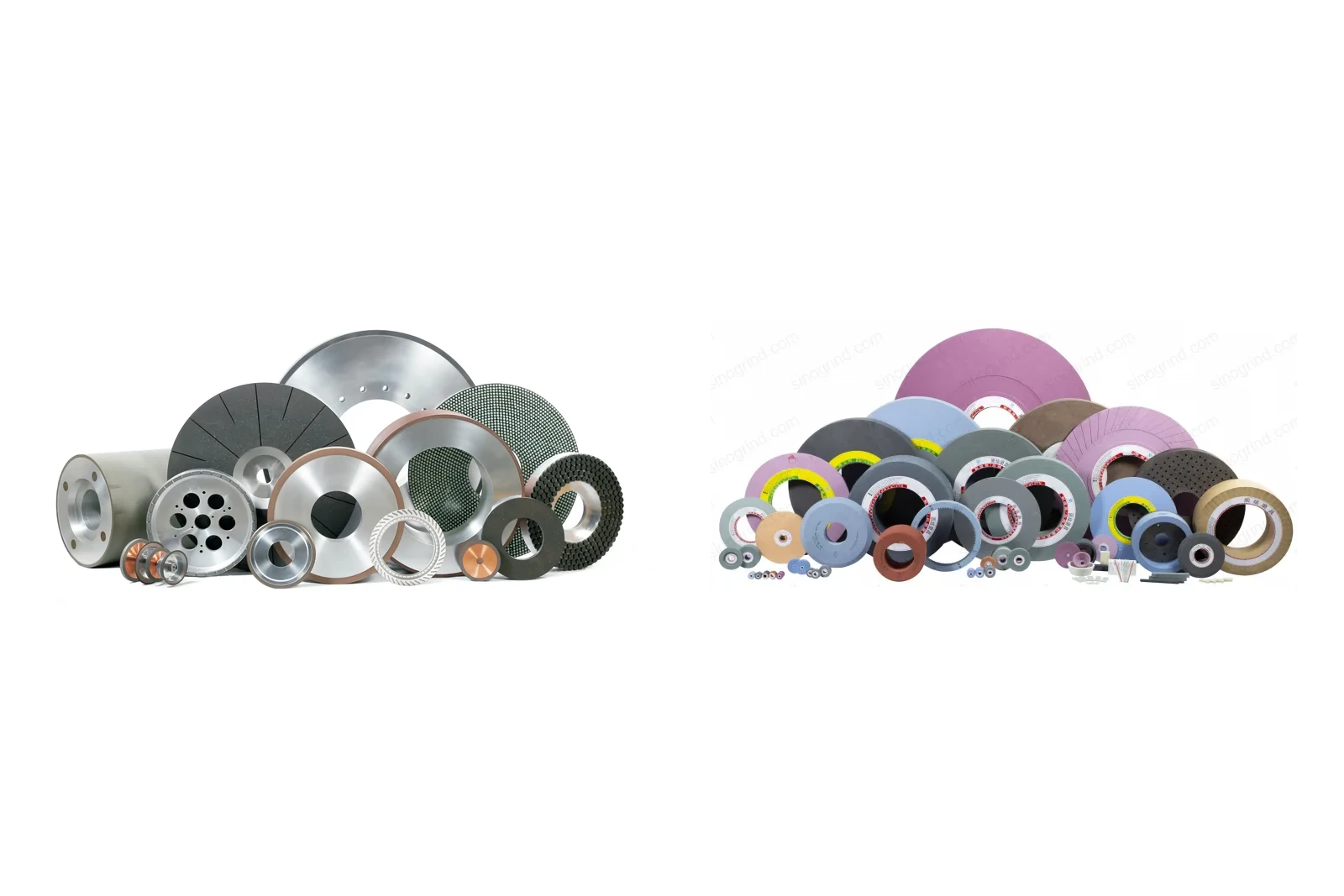
| Diamond | High-silicon aluminium, MMC, precision finishing | D126–D46, resin or metal bond | Use coolant; avoid loading |
| Coated abrasive / flap | Blending, deburring, light stock removal | Coarse | Not a precision wheel, but useful for finishing |
Use a wheel with open structure and sufficient porosity; a dense wheel loads quickly on aluminium.
Grit and structure
Choose a coarser grit than you would for steel. A coarse, open wheel gives the chip somewhere to go and reduces the contact pressure that causes smearing. For a fine finish, improve the wheel sharpness, coolant and machine rigidity before moving to a much finer grit.
Coolant and lubrication
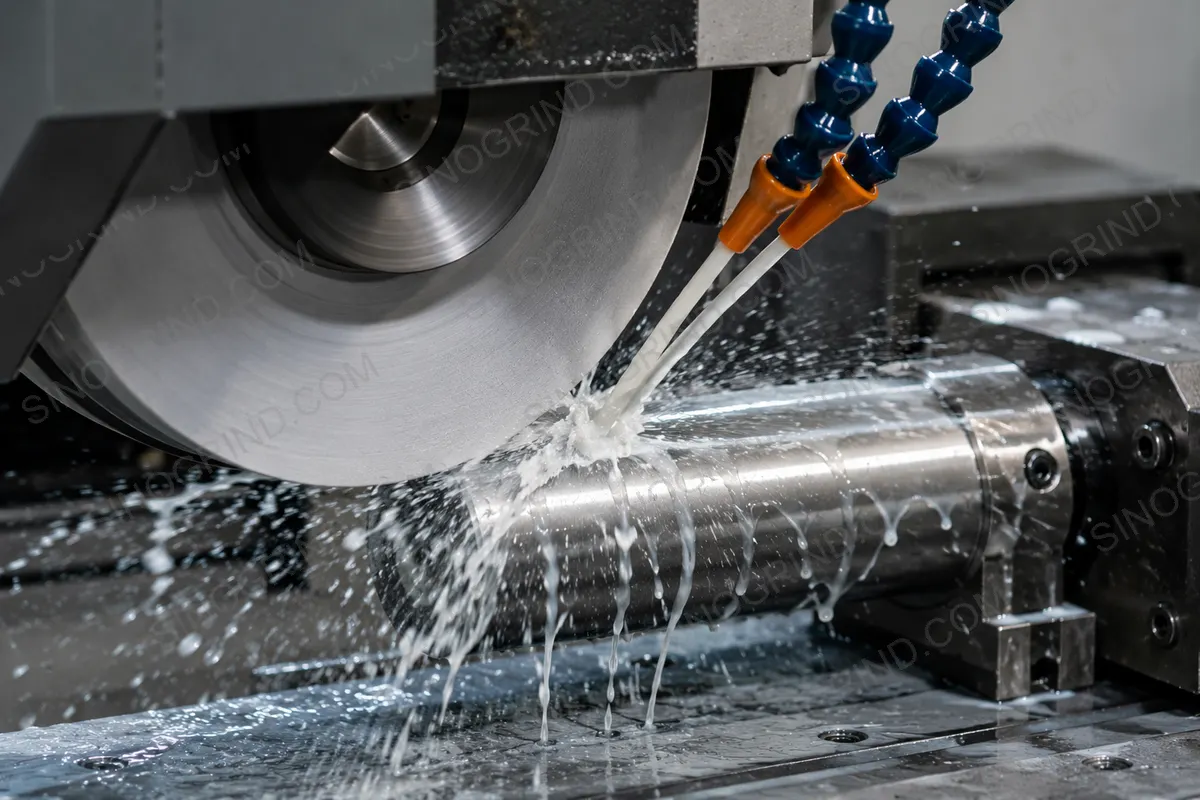
- Flood coolant is preferred for any significant stock removal; it flushes chips and cools the cut.
- A water-based emulsion with good lubricity works for general aluminium; neat oil is used in some precision operations.
- For light manual work, a lubricant stick or mist can reduce loading, but it is not a substitute for flood cooling at high removal rates.
- Keep the coolant clean; aluminium fines and tramp oil accelerate loading.
Wheel speed and feed
Run at a moderate surface speed and avoid excessive depth of cut. High speed raises temperature and encourages smearing. A sharp wheel, moderate speed and adequate flow are more effective than simply slowing down. For diamond wheels on high-silicon aluminium, use the wheel maker's recommended speed and a generous coolant flow.
Dressing
Dress frequently to keep the wheel open and sharp. A loaded wheel can sometimes be cleaned with a dressing stick, but if loading returns quickly, change the wheel structure or coolant rather than dressing more often. See the diamond wheel dressing guide for diamond wheels.
Common mistakes
- Using a hard, dense wheel intended for steel; it loads almost immediately.
- Grinding dry without extraction or lubricant.
- Using too fine a grit to chase a finish problem caused by loading.
- Running too fast and overheating the workpiece.
- Letting aluminium fines accumulate in the coolant.
Safety: aluminium dust
Aluminium dust is combustible. Use wet collection or a properly rated dust extraction system, ground the equipment and keep the work area clean. Do not use a standard shop vacuum for fine aluminium dust.
Boundary rule — when not to use diamond
Diamond is the hardest abrasive and the correct choice for hard, brittle, non-ferrous materials such as cemented carbide, ceramics, glass, silicon, sapphire, ferrite, graphite and composites. It must not be used on ferrous metals — steel, cast iron, and their alloys — because carbon in diamond reacts with iron at grinding temperatures (roughly above 700 °C / 1300 °F). This chemical affinity causes rapid, abnormal diamond wear (graphitisation) and destroys the wheel. For steel, hardened steel, cast iron and other ferrous workpieces, use CBN (cubic boron nitride) instead.