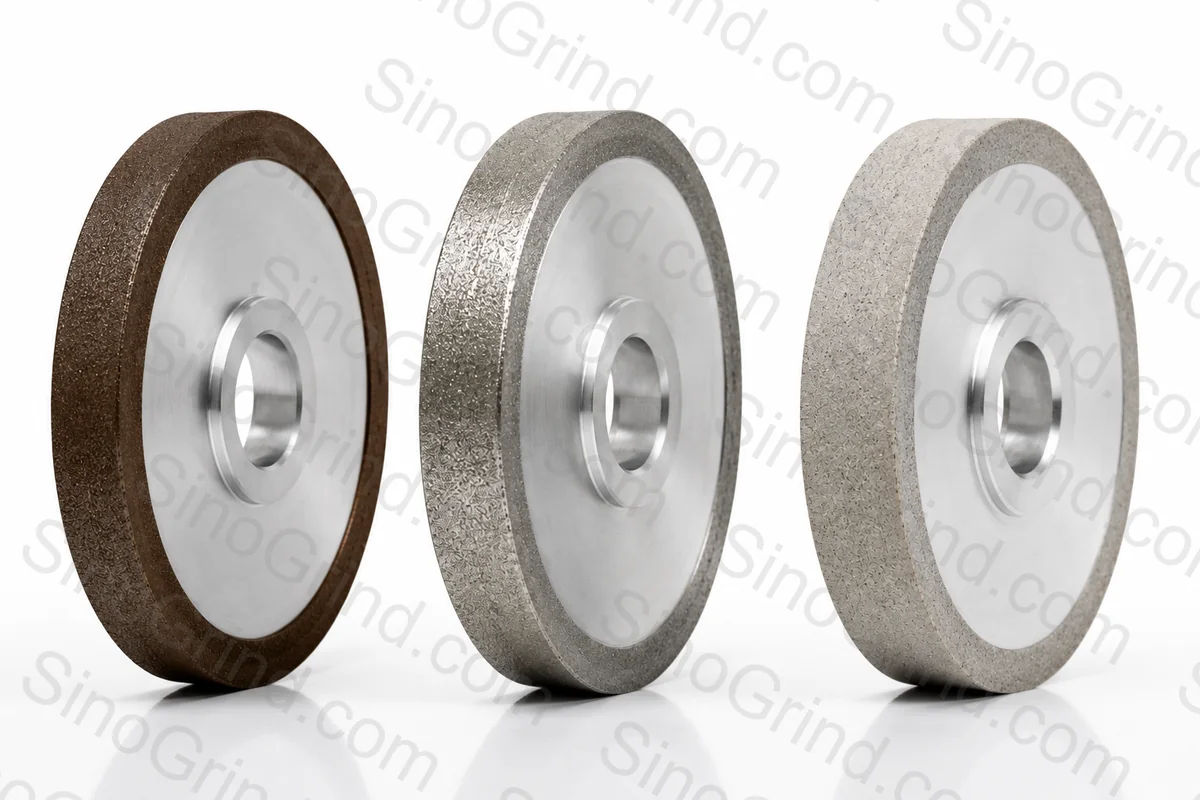
: +86 15874211461

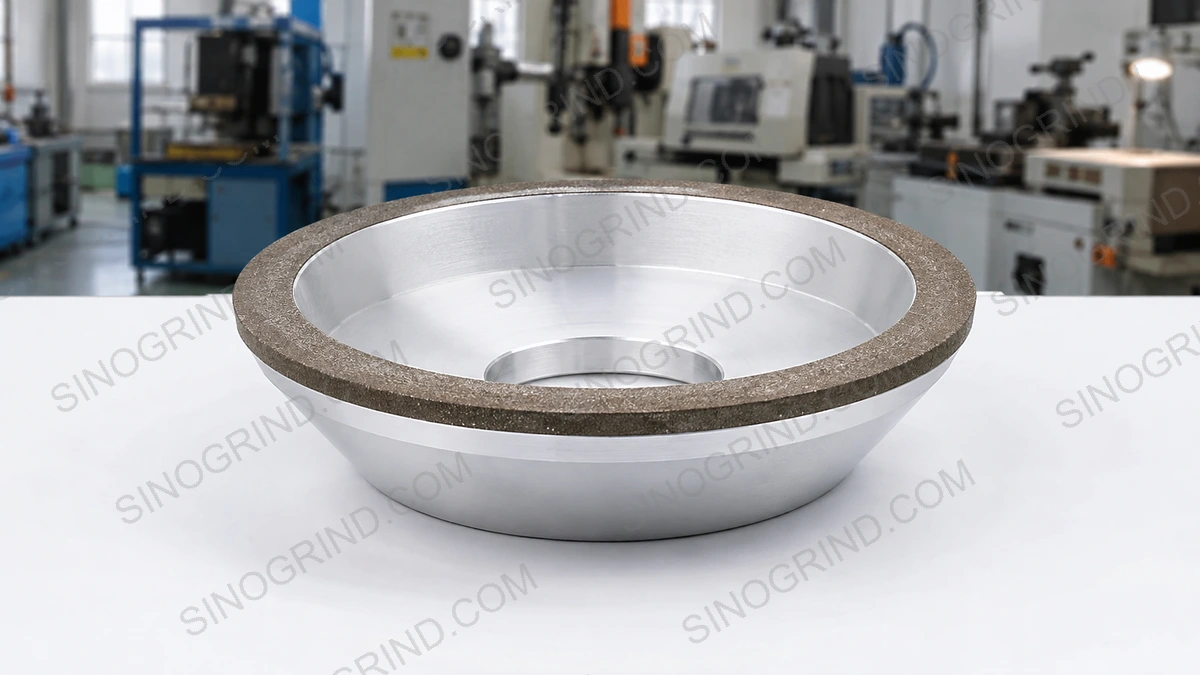
Vitrified bonded grinding wheels represent the highest tier of precision abrasive technology. Using a glass-like ceramic bond matrix with controlled porosity, these wheels deliver self-sharpening action, cool cutting, and exceptional surface finish quality. Whether you are grinding carbide tooling, advanced ceramics, or hardened aerospace steel, understanding how vitrified bond wheels work is essential for selecting the right grinding solution.
What Are Vitrified Bonded Grinding Wheels?
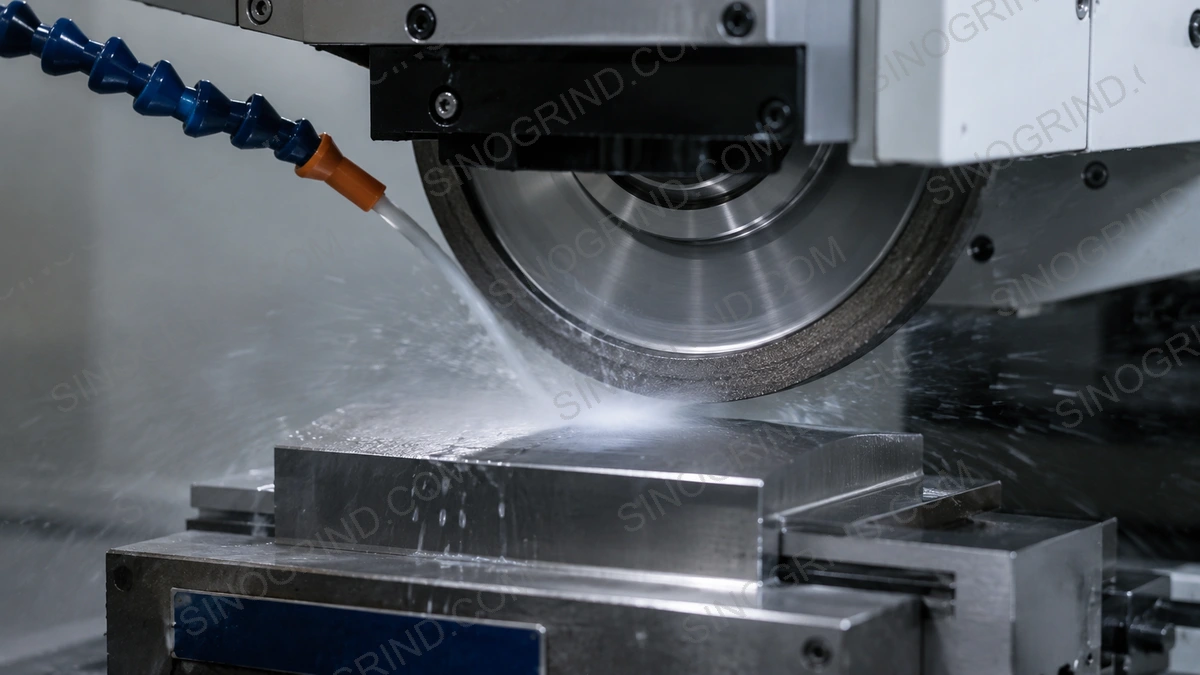
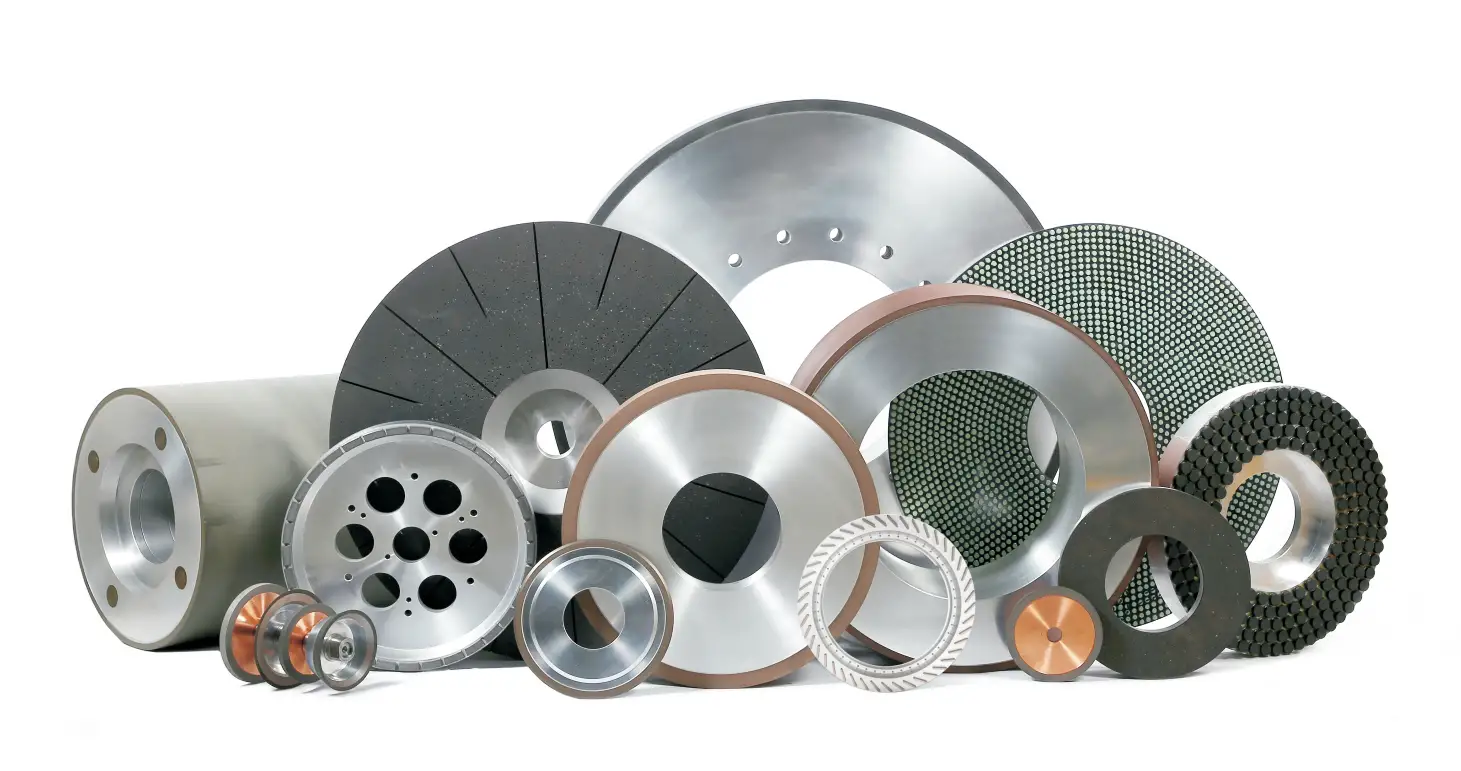
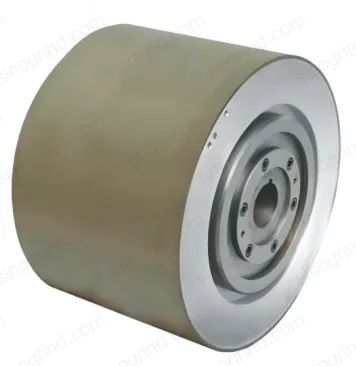
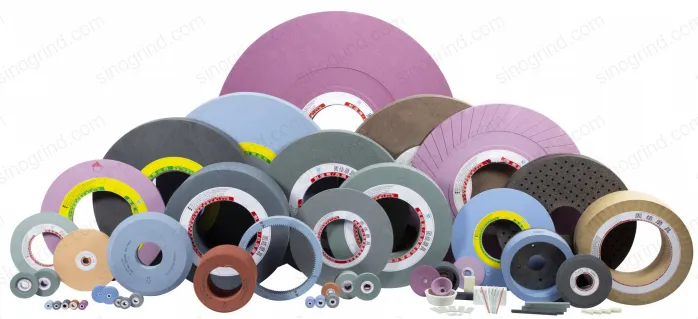
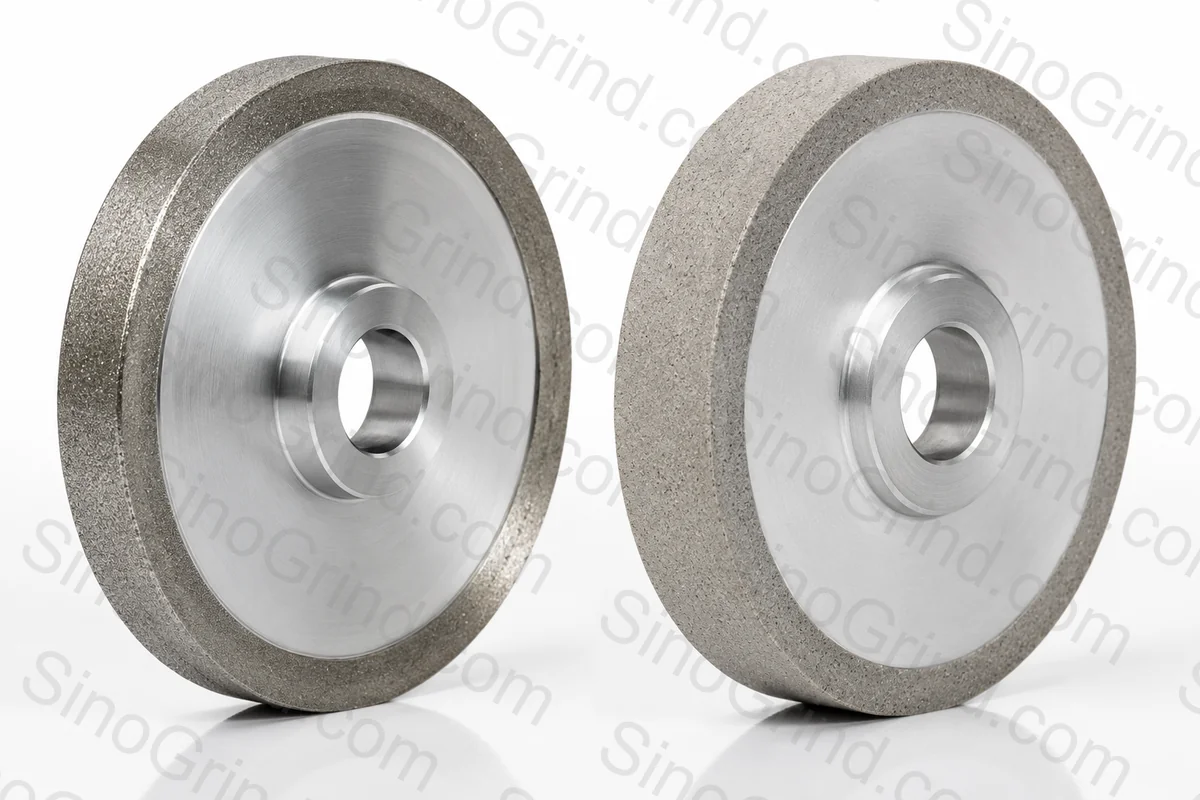
A vitrified bonded grinding wheel is an abrasive tool where diamond or CBN grains are held together by a glass-like ceramic bond matrix. Unlike resin or metal bonds, vitrified bonds are created through a high-temperature sintering process that fuses ceramic powders into a rigid, porous structure. This unique bond system gives vitrified wheels their characteristic self-sharpening behavior and cool grinding performance.
The vitrified bond is composed of ceramic materials such as feldspar, glass frits, and clay-based binders. During manufacturing, these materials are fired at temperatures between 800°C and 1000°C, creating a bond that is both strong enough to retain abrasive grains and brittle enough to fracture in a controlled manner during grinding.
How Vitrified Bond Technology Works
The Ceramic Bond Matrix
The vitrified bond matrix is a three-dimensional network of glassy ceramic material that encases each abrasive grain. The bond bridges between grains are intentionally designed to be weaker than in metal bond wheels. This controlled strength is the key to the self-sharpening mechanism — as grinding forces build up on a dull grain, the bond bridge fractures, releasing the worn grain and exposing a fresh, sharp cutting edge underneath.
Controlled Porosity
One of the defining features of vitrified bond wheels is their high porosity. During the sintering process, pore-forming agents create a network of interconnected voids throughout the bond matrix. These pores serve three critical functions:
- Coolant channels: Porosity allows grinding coolant to flow directly to the cutting zone, reducing heat buildup and preventing thermal damage to the workpiece.
- Chip clearance: The voids provide space for grinding chips to escape, preventing wheel loading and maintaining cutting efficiency.
- Bond fracture control: Porosity weakens the bond bridges in a predictable way, enabling the self-sharpening action that keeps the wheel cutting freely.
Self-Sharpening Action
As a vitrified wheel grinds, dull diamond or CBN grains experience increasing tangential forces. When these forces exceed the bond bridge strength, the grain is released along with a small amount of surrounding bond material. This process continuously exposes new, sharp abrasive grains, maintaining a consistent cutting ability throughout the wheel's life. The result is a wheel that requires minimal dressing and produces uniform surface finishes from start to finish.
Advantages of Vitrified Bond Wheels
- Self-sharpening: Continuous exposure of fresh cutting edges eliminates the need for frequent dressing and maintains consistent grinding performance.
- Cool grinding: High porosity enables efficient coolant delivery and heat dissipation, preventing workpiece burns, discoloration, and thermal cracking.
- High precision: The rigid bond structure holds wheel geometry accurately, enabling tight tolerances and excellent form retention for profile and creep-feed grinding.
- High material removal: Despite their precision, vitrified wheels can remove material efficiently because the self-sharpening action maintains aggressive cutting throughout the wheel life.
- Excellent surface finish: The controlled grain exposure and consistent cutting action produce fine, uniform surface finishes on the workpiece.
- Low grinding forces: The free-cutting nature of vitrified bonds reduces forces on the workpiece, minimizing deflection and enabling grinding of thin or delicate parts.
- Easy dressing: Vitrified wheels can be trued and dressed with simple diamond tools or white aluminum oxide sticks, making maintenance straightforward.
Diamond Vitrified Wheels vs CBN Vitrified Wheels
Both diamond and CBN superabrasives are available in vitrified bond configurations, but they are suited to different workpiece materials.
Diamond Vitrified Wheels
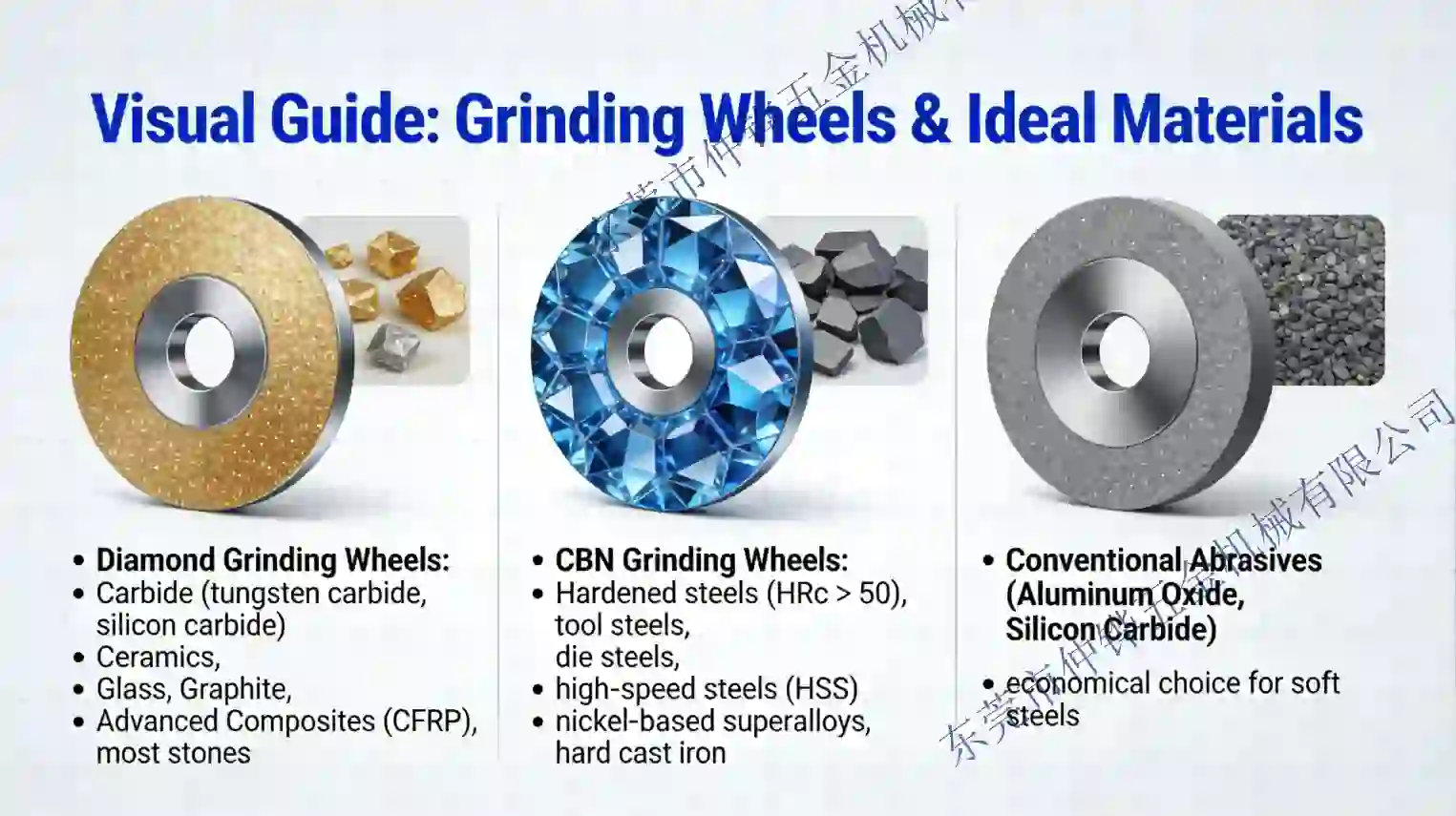
Vitrified bond diamond grinding wheels are designed for grinding non-ferrous hard materials. Diamond is the hardest known abrasive and excels at cutting materials that would quickly dull conventional abrasives. Common applications include:
- Carbide tool grinding: Tungsten carbide cutting tools, dies, and wear parts require the hardness of diamond for efficient material removal.
- Ceramic grinding: Advanced ceramics such as alumina, zirconia, silicon carbide, and silicon nitride are brittle and abrasive — diamond vitrified wheels handle them without excessive micro-cracking.
- Glass and stone: Precision grinding of glass components, optical lenses, and natural or engineered stone.
- Composite materials: Grinding fiber-reinforced composites, carbon fiber, and other abrasive materials used in aerospace and automotive industries.
CBN Vitrified Wheels
Vitrified bond CBN grinding wheels are engineered for grinding ferrous hard materials. Cubic boron nitride (CBN) is second only to diamond in hardness and has excellent thermal stability, making it ideal for hardened steels. Applications include:
- Hardened steel finishing: Tool steels, die steels, and bearing steels at 58-65 HRC respond well to vitrified CBN wheels.
- Aerospace components: Nickel-based superalloys (Inconel, Waspaloy) and titanium alloys used in turbine blades and engine components.
- Automotive parts: Crankshafts, camshafts, transmission gears, and bearing races where precision and surface finish are critical.
- High-speed steel (HSS): Drills, end mills, and reamers made from HSS benefit from the cool cutting action of vitrified CBN.
When to Choose Vitrified Bond Over Resin or Metal
Selecting the right bond type depends on your specific grinding requirements. Here is how vitrified bond compares to resin and metal alternatives:
Vitrified vs Resin Bond
Resin bond wheels use an organic polymer matrix that is more flexible and forgiving than vitrified. Resin bonds are better for rough grinding, snagging, and operations where the wheel may experience intermittent contact or impact loads. However, resin bonds wear faster, lose their shape more quickly, and cannot match the precision or cool grinding characteristics of vitrified bonds. Choose vitrified when precision, surface finish, and thermal control are priorities.
Vitrified vs Metal Bond
Metal bond wheels use a metallic matrix (typically bronze or cobalt) that is extremely tough and long-lasting. Metal bonds are ideal for heavy-duty roughing where maximum stock removal and wheel life are required. However, metal bond wheels are less free-cutting, generate more heat, and are more difficult to dress. Choose vitrified when you need a balance of material removal and surface finish quality, or when grinding heat-sensitive materials.
Quick Decision Guide
- Choose vitrified when you need precision finishing, tight tolerances, excellent surface finish, or are grinding heat-sensitive materials.
- Choose resin when you need a forgiving bond for rough grinding, snagging, or operations with interrupted cuts.
- Choose metal when you need maximum stock removal, longest wheel life, and are performing aggressive rough grinding operations.
Vitrified Wheel Specifications and Selection
When specifying a vitrified bond wheel, several parameters must be considered to match the wheel to your application:
Abrasive Type
Select diamond for non-ferrous materials (carbide, ceramic, glass, composites) or CBN for ferrous materials (hardened steel, superalloys, high-speed steel).
Grit Size
Coarser grits (D46, D64, D76) provide higher material removal rates and are suitable for rough grinding. Finer grits (D15, D20, D25) produce better surface finishes and are preferred for precision finishing. For vitrified wheels, the grit size also affects the porosity and self-sharpening behavior.
Concentration
Concentration refers to the volume of abrasive grains in the grinding layer. Standard concentrations range from 50 to 200, with 100 being the most common. Higher concentration means more cutting points per unit area, which improves material removal but may reduce the porosity available for coolant flow.
Wheel Shape
Vitrified bond wheels are available in standard shapes including:
- 1A1 (Flat wheel): The most versatile shape for surface, cylindrical, and tool grinding.
- 3A1 (Recessed wheel): Used for surface grinding with better coolant access to the workpiece.
- 6A2 (Cup wheel): Commonly used for tool and cutter grinding on CNC tool grinders.
- Cup wheels (11V9, 12A2): Preferred for profile grinding, flute grinding, and relief grinding of cutting tools.
Wheel Dimensions
Standard dimensions include outer diameter (D), bore diameter (H), and width (T, X, U). Vitrified wheels are typically manufactured on ceramic substrates for thermal stability, though steel substrates can be used for larger wheels requiring greater rigidity.
Common Applications for Vitrified Bond Wheels
Carbide Tool Grinding
Vitrified diamond wheels are the standard for grinding tungsten carbide cutting tools on CNC tool grinders. The self-sharpening action prevents the wheel from loading with carbide chips, while the cool grinding characteristics prevent thermal damage to the carbide substrate and any brazed carbide tips.
Ceramic Grinding
Advanced ceramics used in electronics, medical devices, and aerospace require vitrified diamond wheels for efficient grinding. The controlled porosity helps manage the brittle fracture behavior of ceramics, producing clean cuts without excessive chipping or micro-cracking.
Hardened Steel Finishing
CBN vitrified wheels are the preferred choice for finishing hardened tool steels, die steels, and bearing steels. The cool cutting action prevents re-hardening or tempering of the workpiece surface, while the precision of the vitrified bond enables tolerances within a few micrometers.
Aerospace Component Grinding
Nickel-based superalloys and titanium alloys used in aerospace demand wheels that can withstand high temperatures without losing cutting efficiency. Vitrified CBN wheels maintain their performance in these demanding applications, delivering consistent results on turbine blades, compressor disks, and structural components.
Frequently Asked Questions
Q: What is the difference between vitrified bond and resin bond diamond wheels?
A: Vitrified bond wheels use a ceramic matrix that is porous and self-sharpening, making them ideal for precision finishing and cool grinding. Resin bond wheels use an organic polymer matrix that is more flexible and forgiving, better suited for rough grinding and operations with interrupted cuts. Vitrified bonds offer superior precision, surface finish, and thermal control, while resin bonds are more economical and impact-resistant.
Q: Can vitrified bond wheels be used for both dry and wet grinding?
A: Vitrified bond wheels are designed primarily for wet grinding with coolant. The porous structure is engineered to channel coolant to the cutting zone, which is essential for the wheel's self-sharpening action and for preventing thermal damage to the workpiece. Dry grinding with vitrified wheels is generally not recommended, as the lack of coolant can cause overheating and premature wheel wear.
Q: How do I dress a vitrified bond diamond or CBN wheel?
A: Vitrified bond wheels are relatively easy to dress compared to metal or resin bonds. They can be trued with a diamond dresser or a white aluminum oxide stick. For vitrified diamond wheels, a green silicon carbide wheel or a diamond roller dresser can be used. The key is to use light dressing passes to avoid removing too much bond material, which would shorten the wheel's life.
Q: What are the typical tolerances achievable with vitrified bond wheels?
A: Vitrified bond wheels can achieve tolerances in the range of 2-5 micrometers for precision grinding operations, depending on the machine tool, wheel grade, and grinding parameters. The rigid bond structure and self-sharpening action contribute to excellent dimensional stability and form retention during extended grinding cycles.
Q: Are vitrified bond wheels more expensive than resin or metal bond wheels?
A: Vitrified bond wheels typically have a higher initial cost than resin bond wheels, but they often provide better value over their lifetime. The self-sharpening action means less frequent dressing, more consistent performance, and longer effective wheel life. For precision applications where surface finish and dimensional accuracy are critical, vitrified bonds are the most cost-effective choice.